
Exhibitions /
ALBERTO DATAS. SOLO
10.09.2026 - 07.11.2026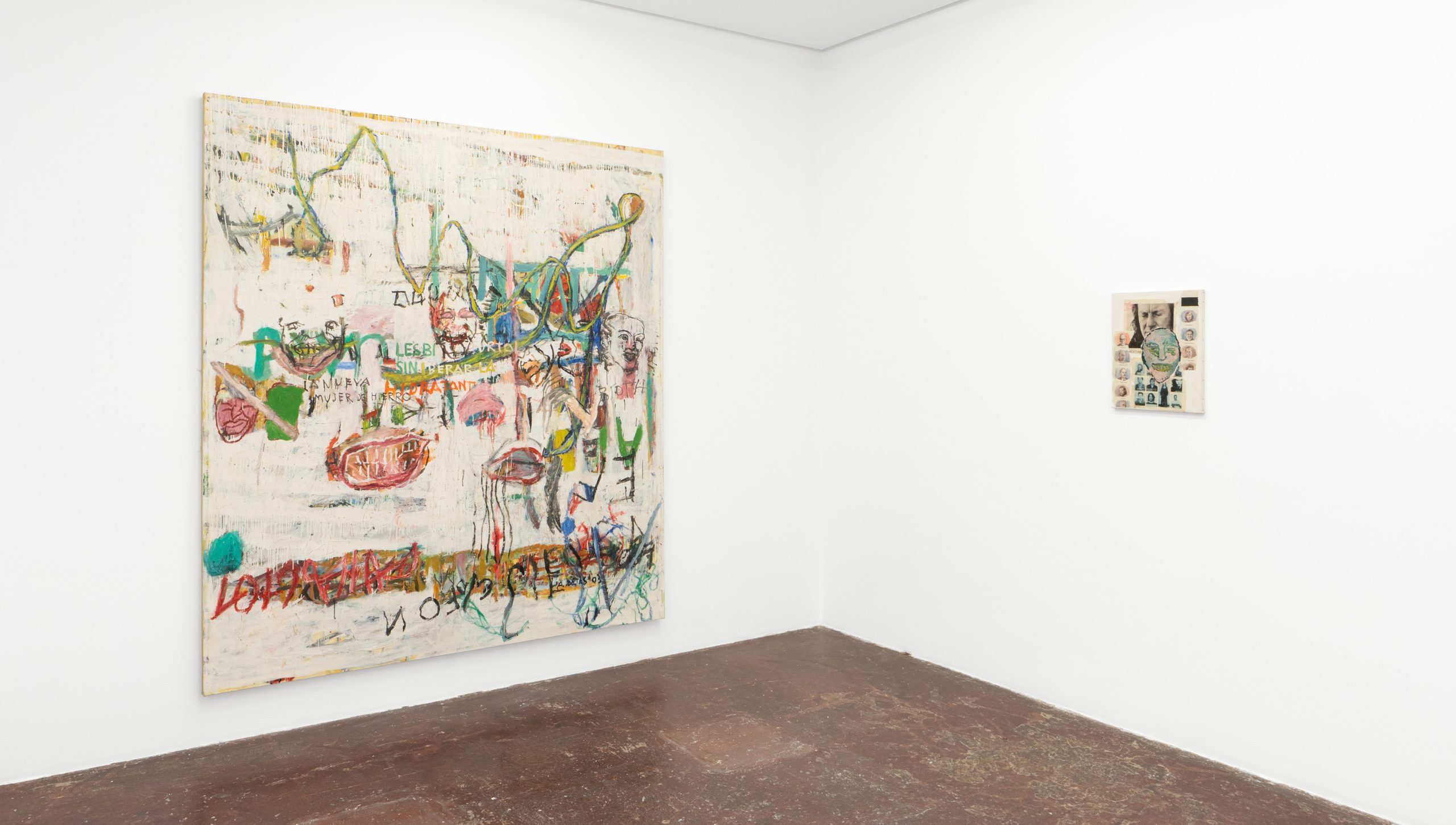
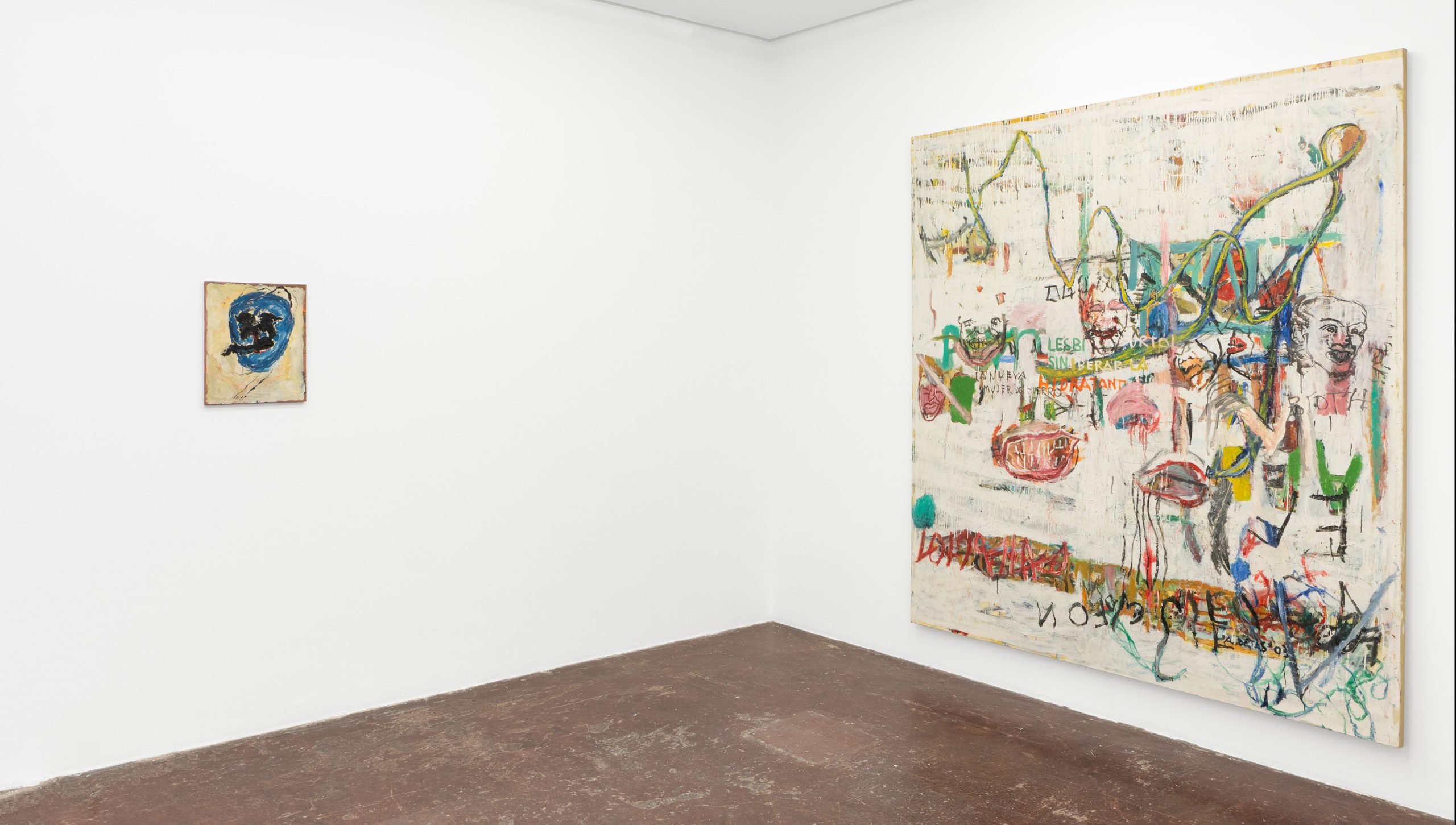
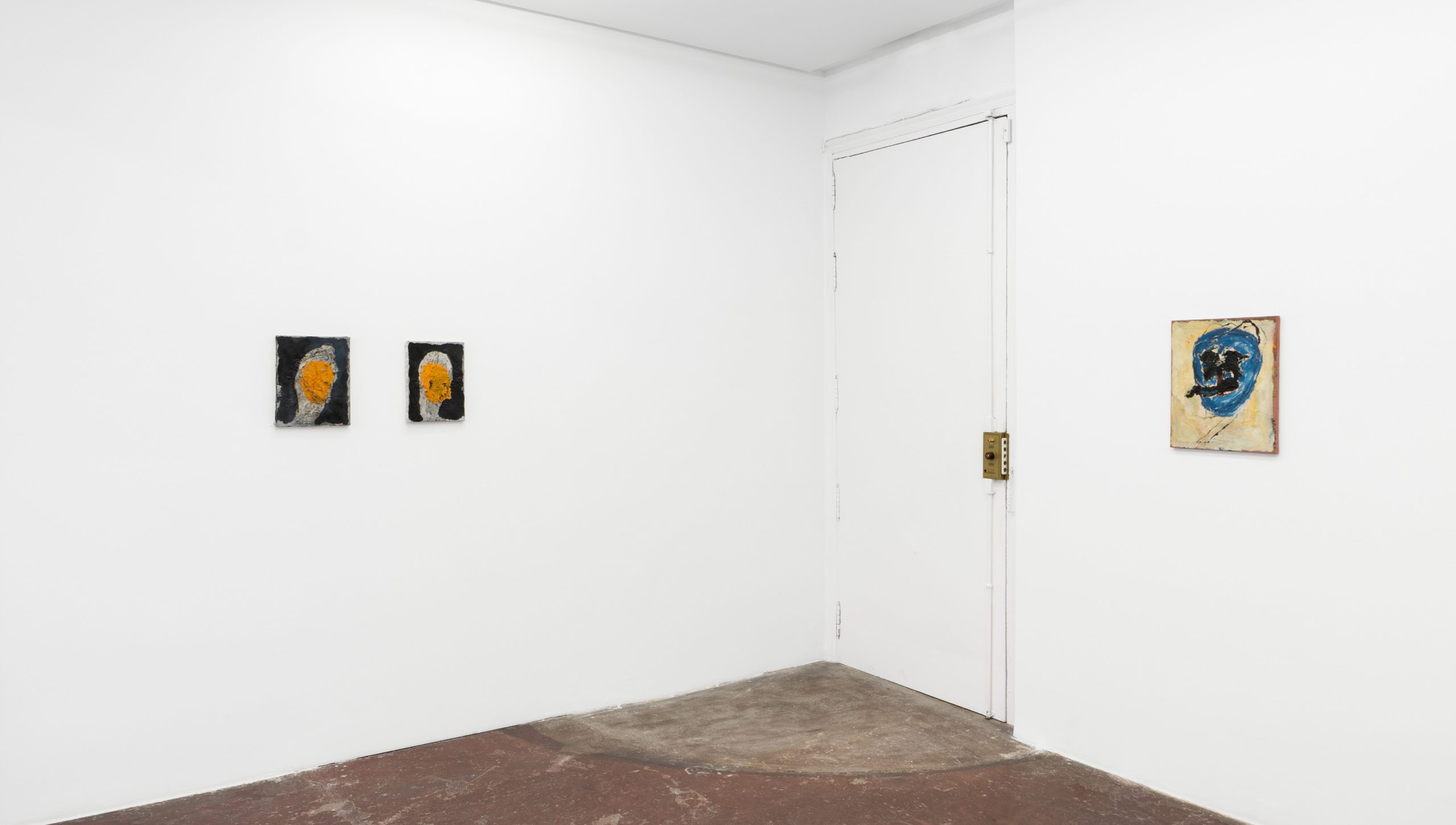
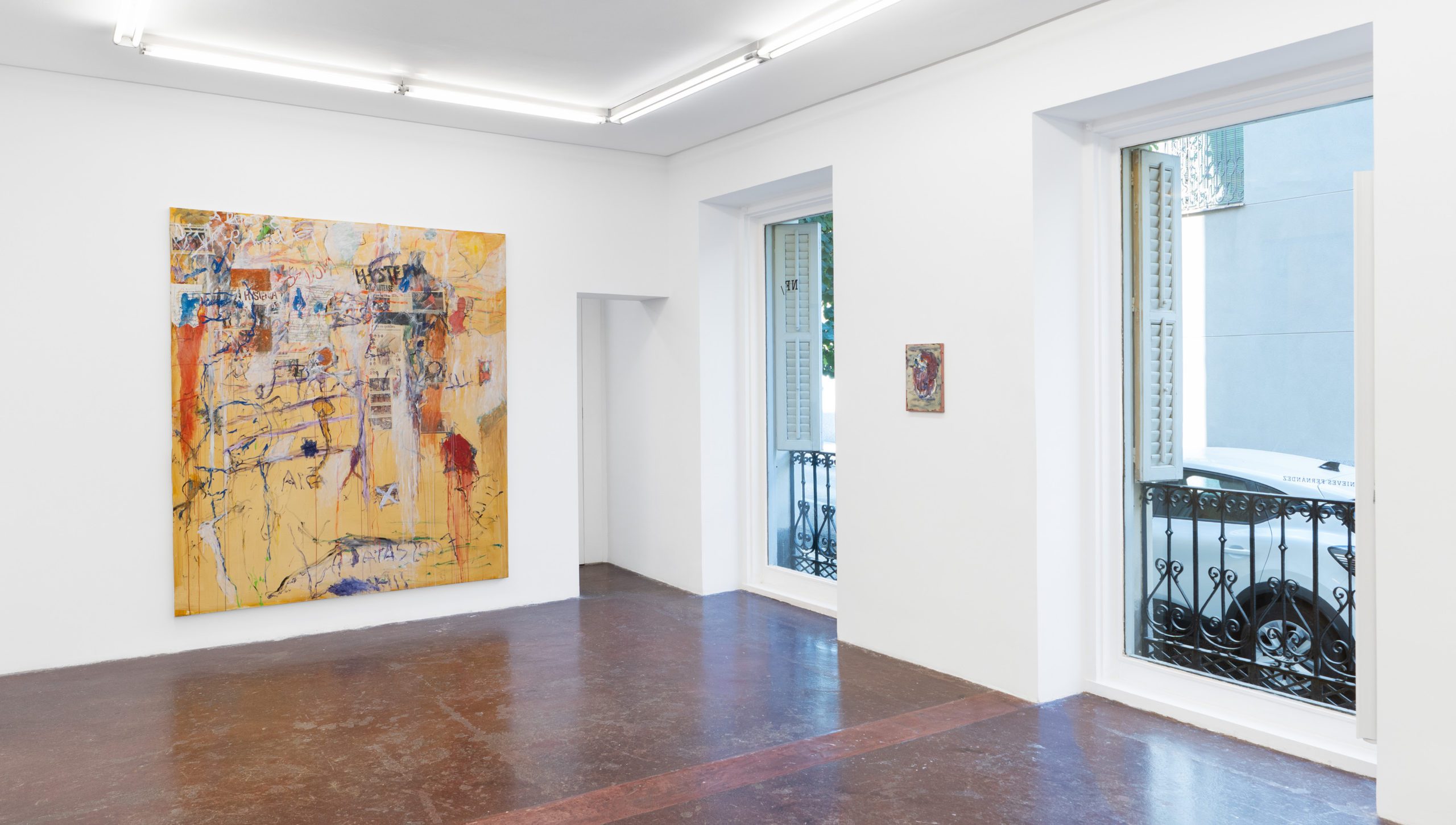
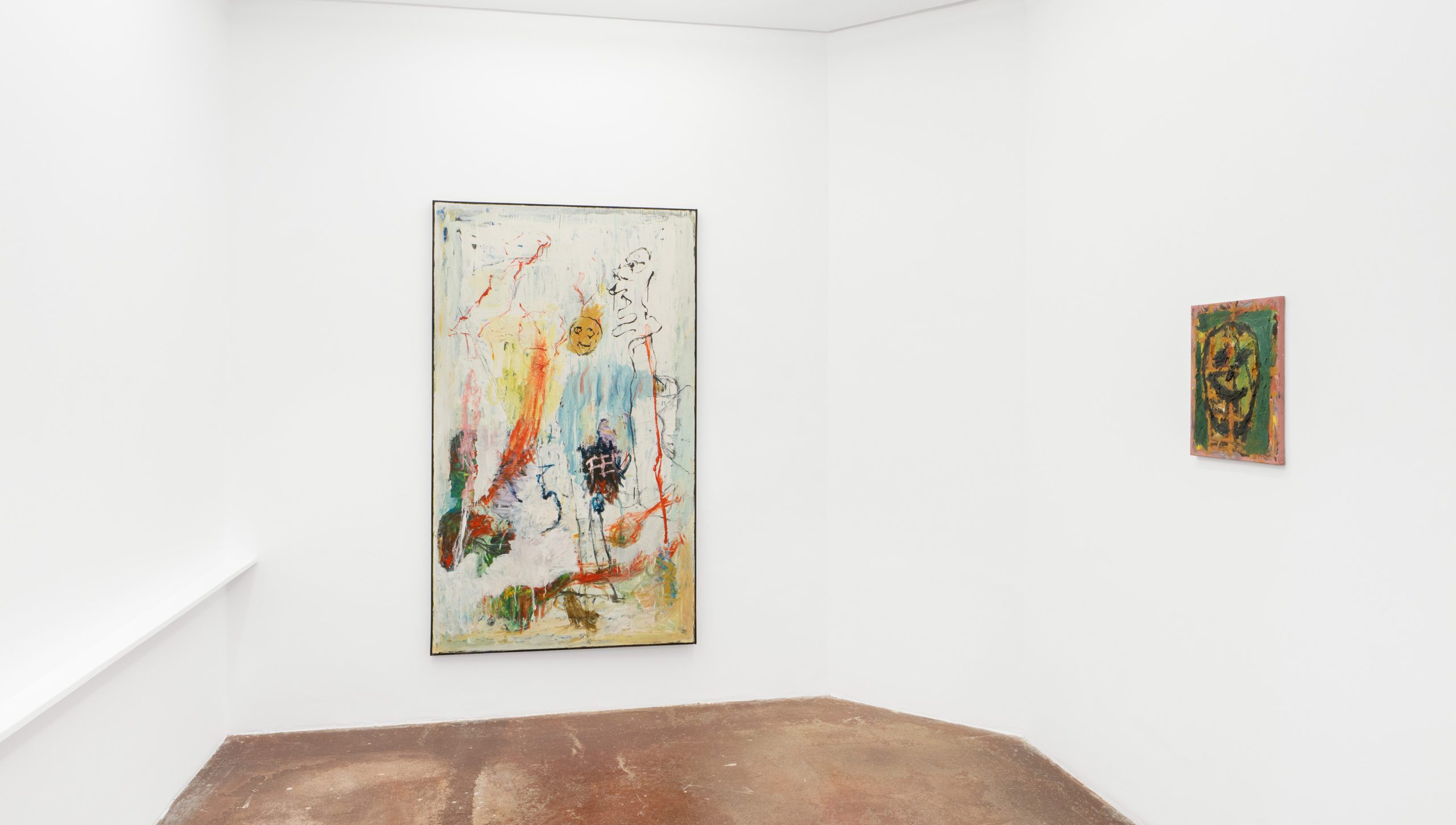
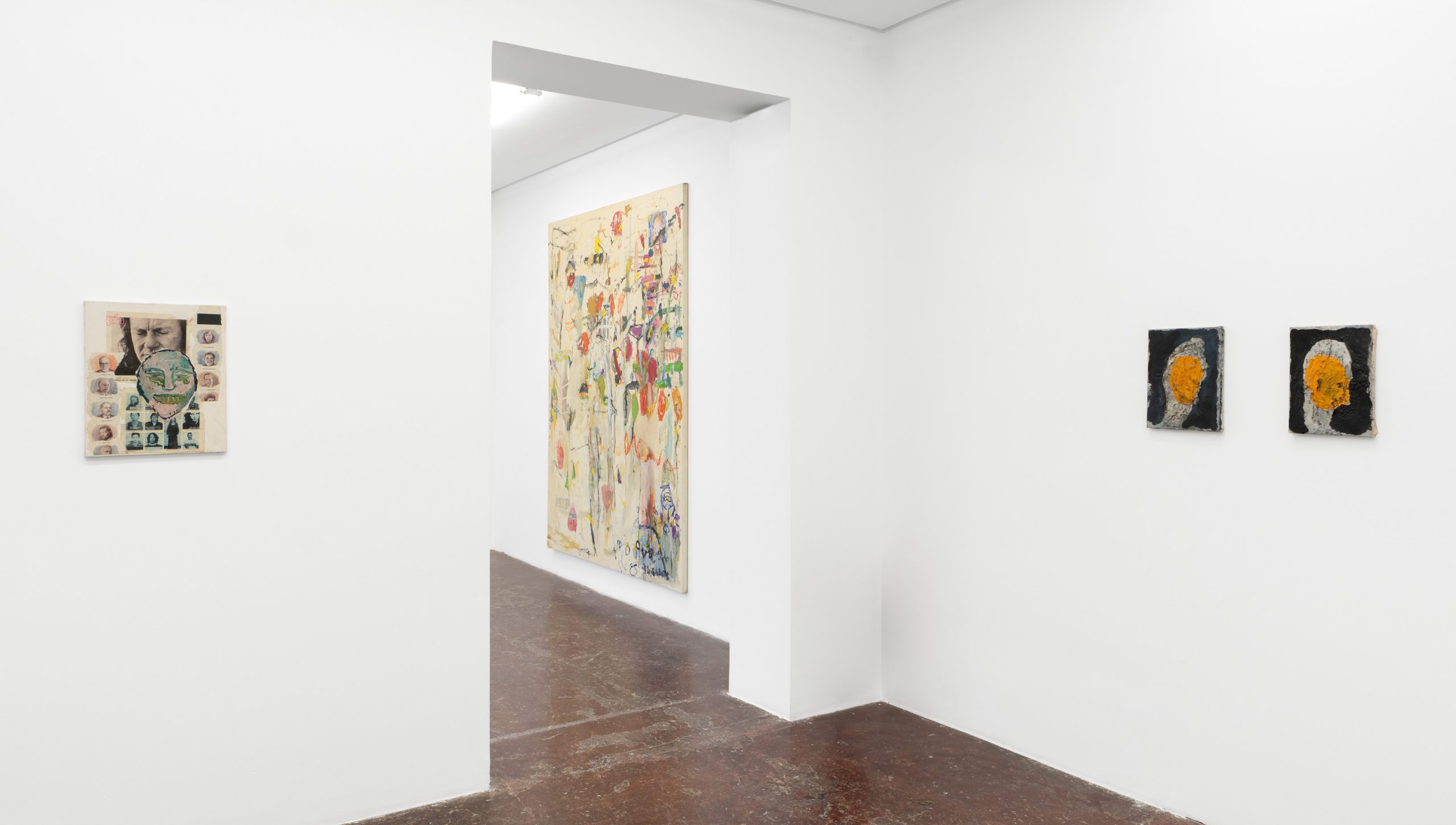
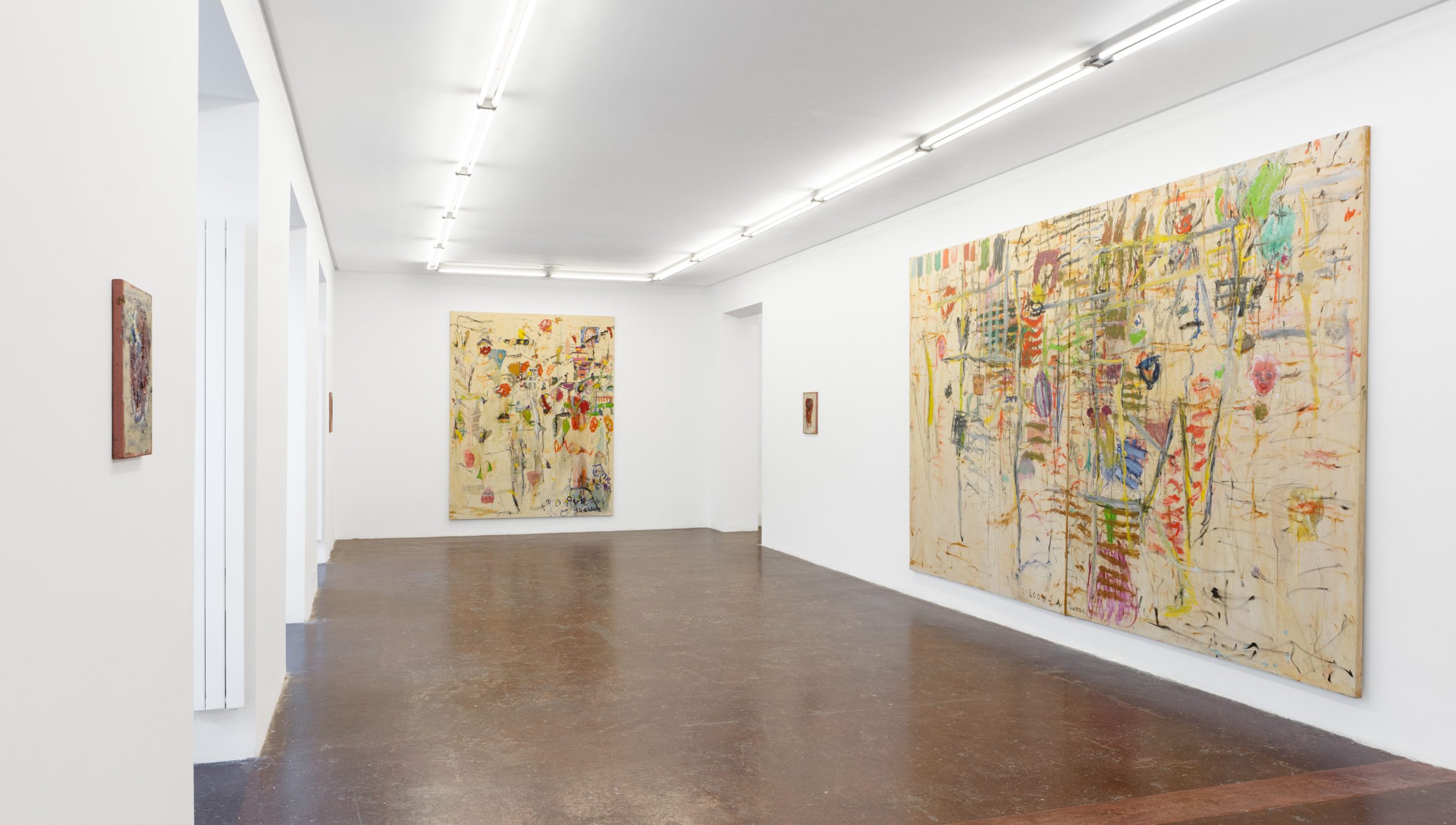
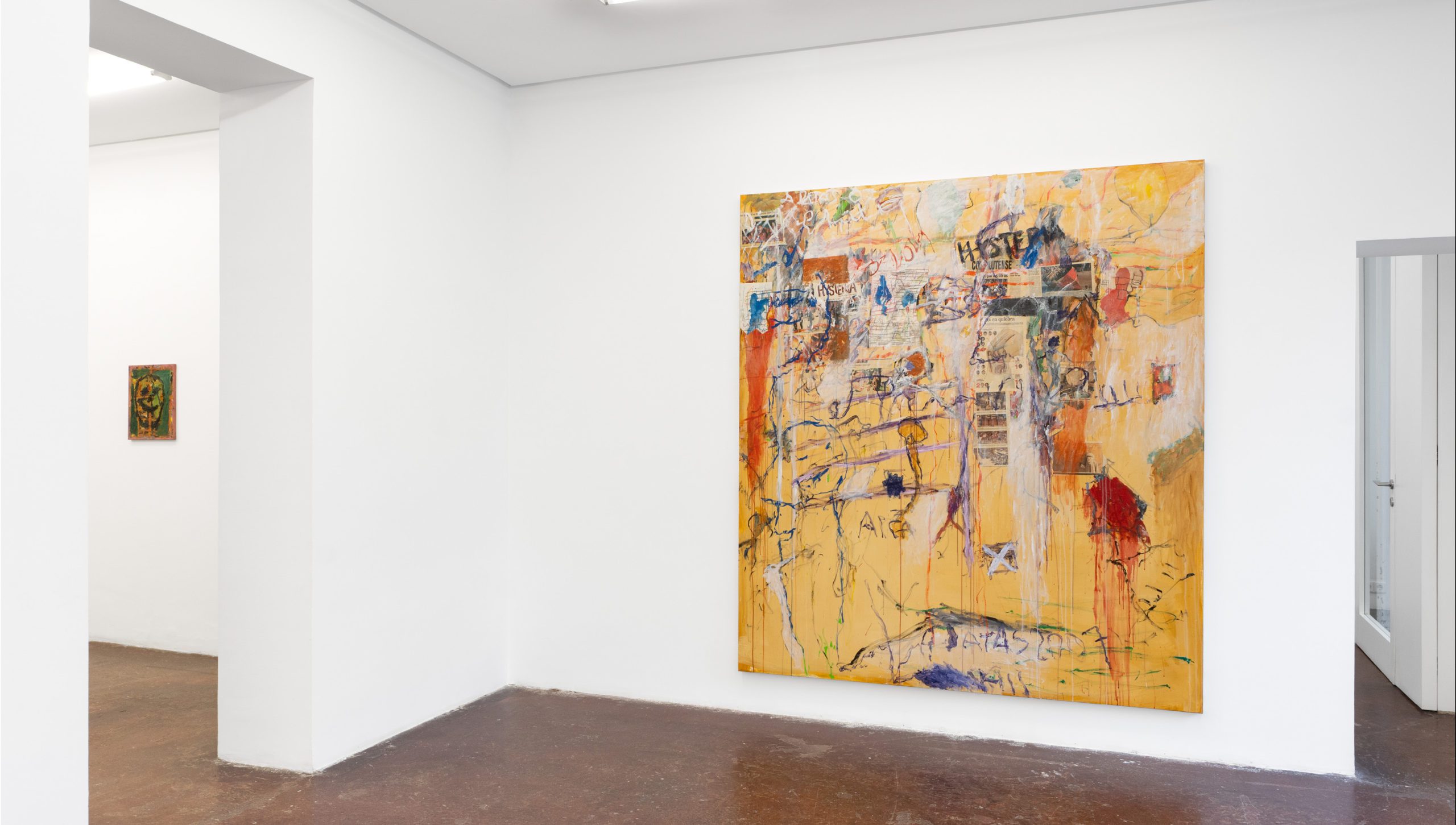
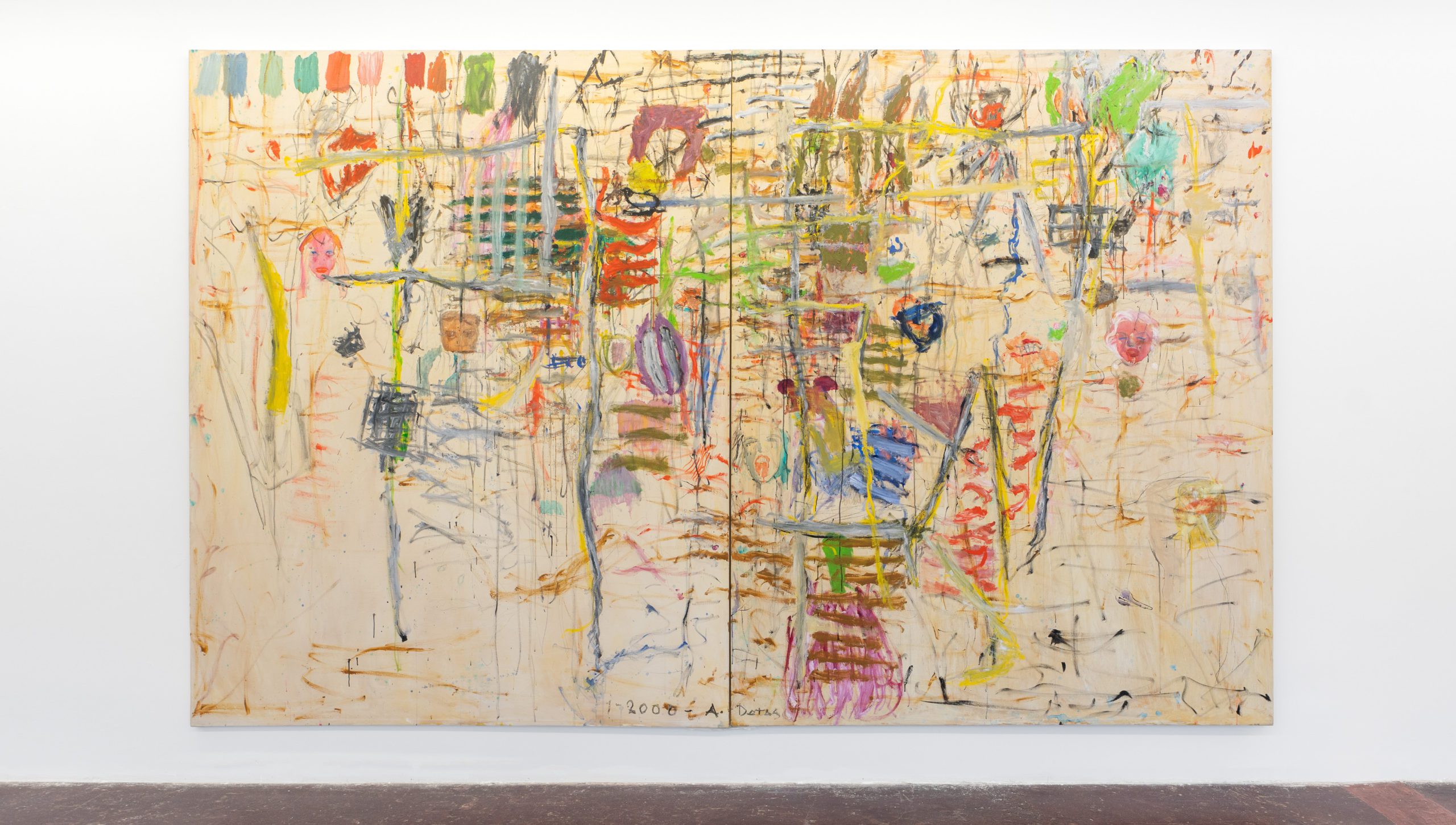
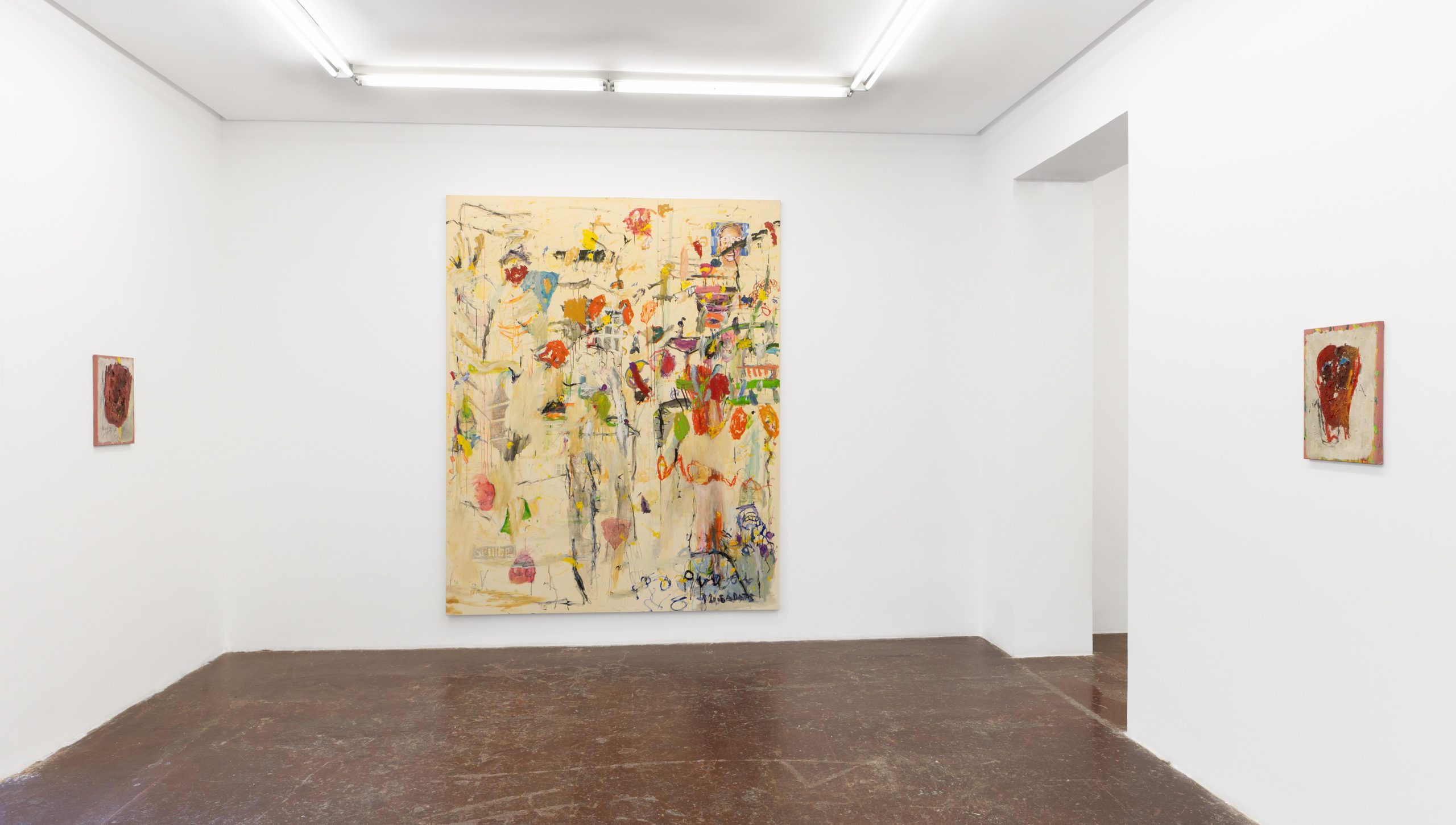
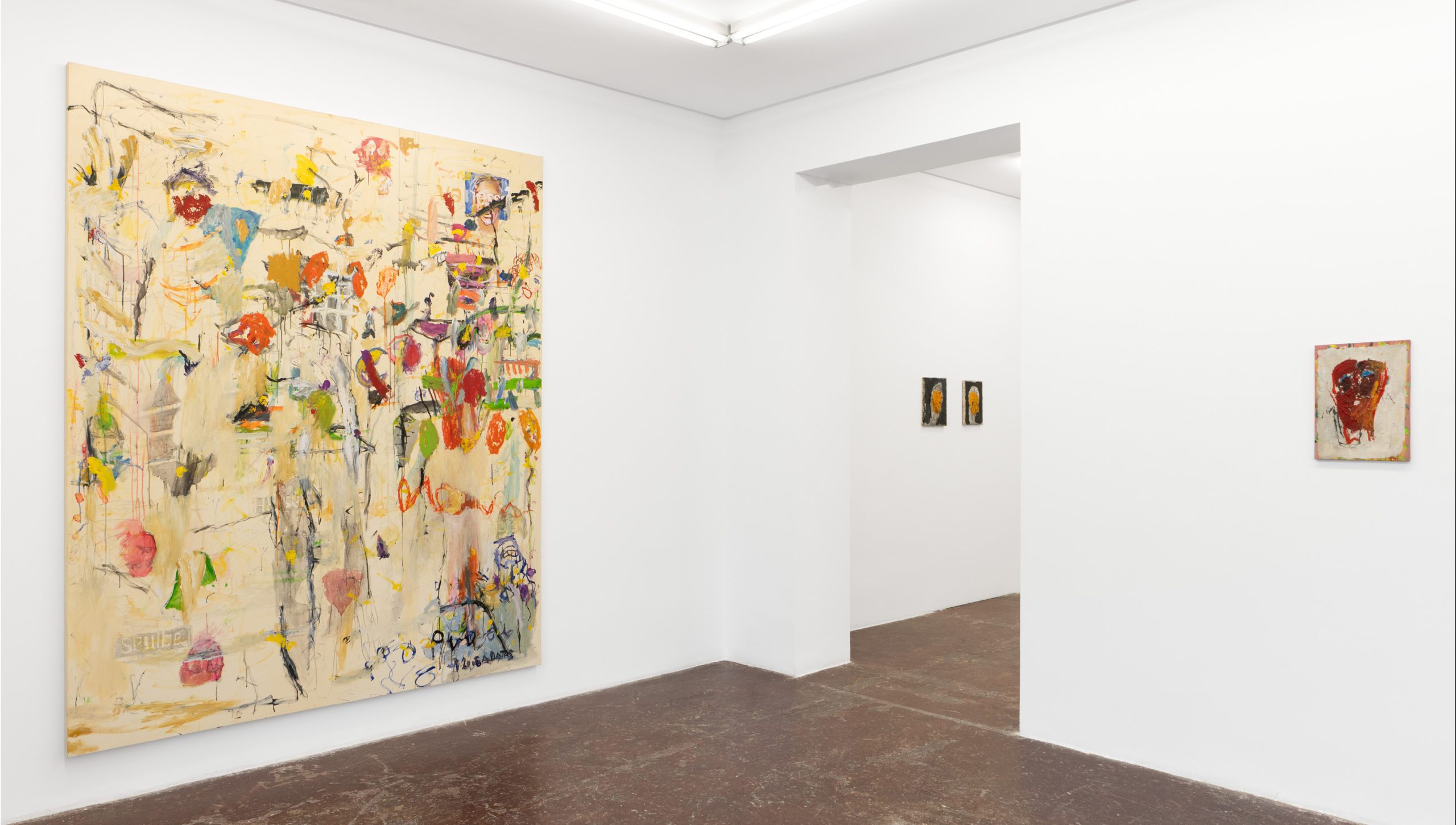
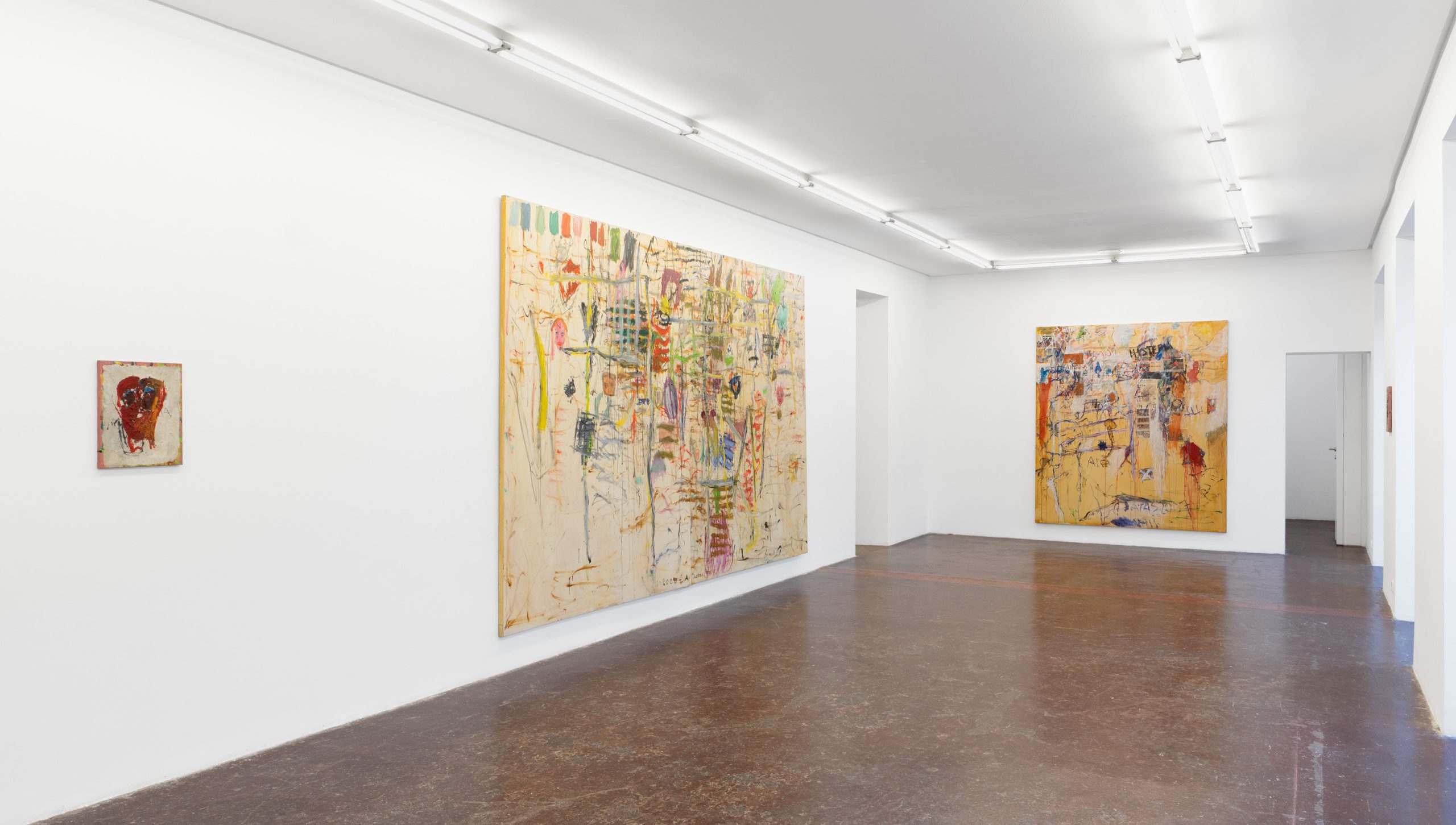
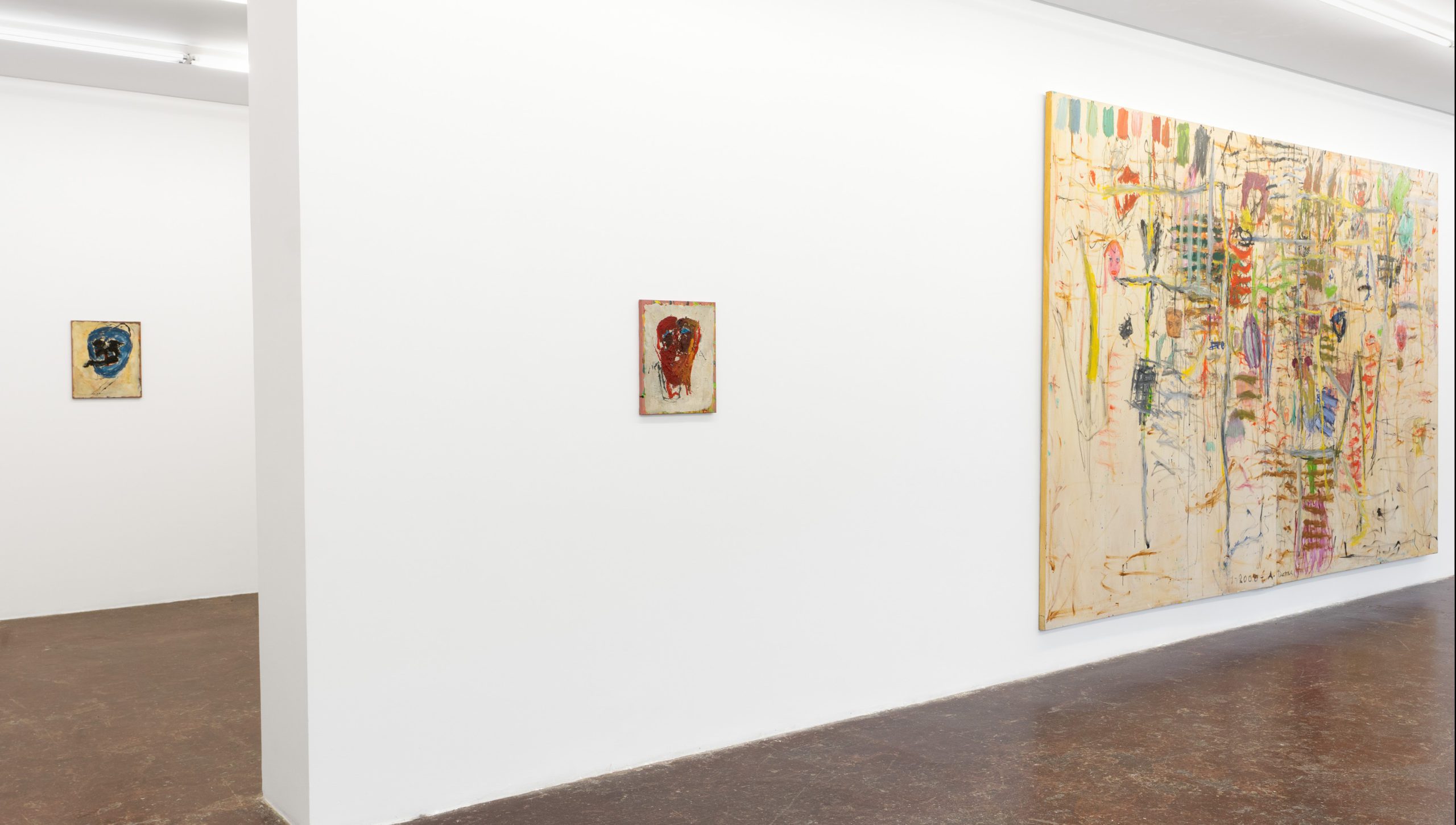
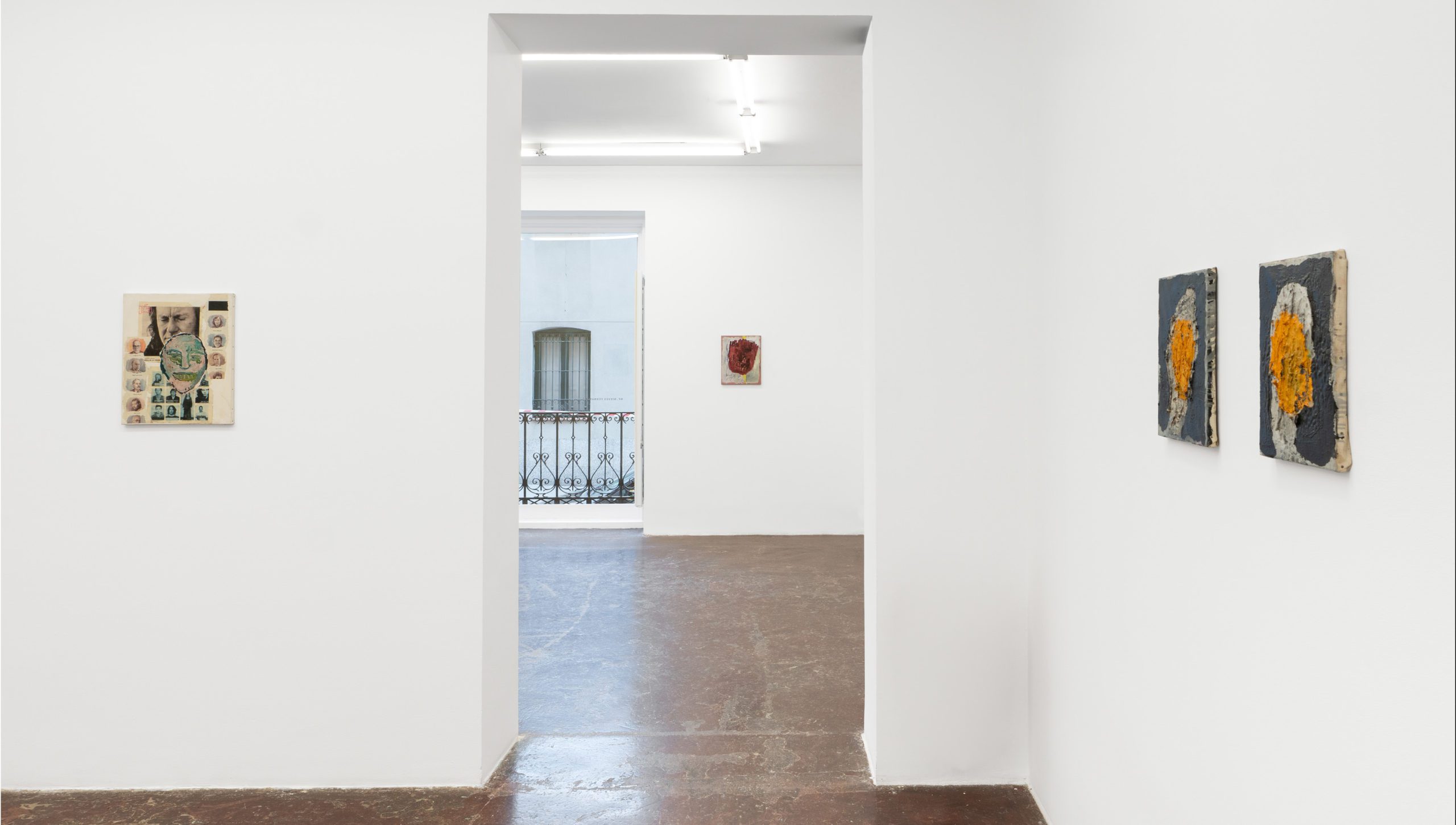
One year before the twentieth anniversary of the death of Albert Datas (A Coruña, 1935 — Madrid, 2007), the good news of a possible return to the public eye becomes an act of justice and an opportunity for both those who knew his work in depth and those who—like the author of these lines—were at the time still wandering the corridors of some university faculty with an abundance of enthusiasm and very little knowledge, to contemplate today the conclusions of an oeuvre spanning five decades, remarkable for its coherence, the quality of its execution, and a freshness that, as has happened with so few artists, has withstood the passage of time.
[…]
Datas’s practice will always seem that of a painter in permanent training —an accomplished one, certainly—eager to discover, to go further, and to constantly kill the father. Simón Marchán writes that he detects a certain tendency towards pursuing opposing directions following two exhibitions held after Datas’s stay at the Spanish Academy in Rome between 1965 and 1968. Both took place in 1969, one at the Sala Edaf in Madrid and the other at the Caja de Ahorros de Vigo, and “the paintings shown in the two exhibitions outlined two series with such different pictorial aims that they pointed towards opposing directions.”
[…]
For when he paints shirts, or depicts on newspapers the rags in his studio with which he wipes his brushes, what emerges is neither what is represented nor the painter’s skill, but the warmth still emanating from those objects. For this reason, rather than turning the discovery into a pictorial device, Datas wastes no time in entering into other struggles as soon as he detects that this way of working might lead him towards a mannered and decorative painting.
This exhibition could be several dozen exhibitions, each one different and each one filled with fine painting. For Datas, who painted until the end, to be presented as a dead painter would possibly not have been a good way of returning to life. His painting, as vital as it is difficult to accommodate within a historiography such as ours, is nevertheless a breath of fresh air. Kept in an attic through twenty years of silence, it also preserves that warmth of the process, the questions resolved step by step, and the strange sensation of standing before a painter with a capital P who nevertheless doubts himself to unimaginable extremes.
Ángel Calvo Ulloa
Fragments from the essay accompanying the Alberto Datas exhibition at NF Galería
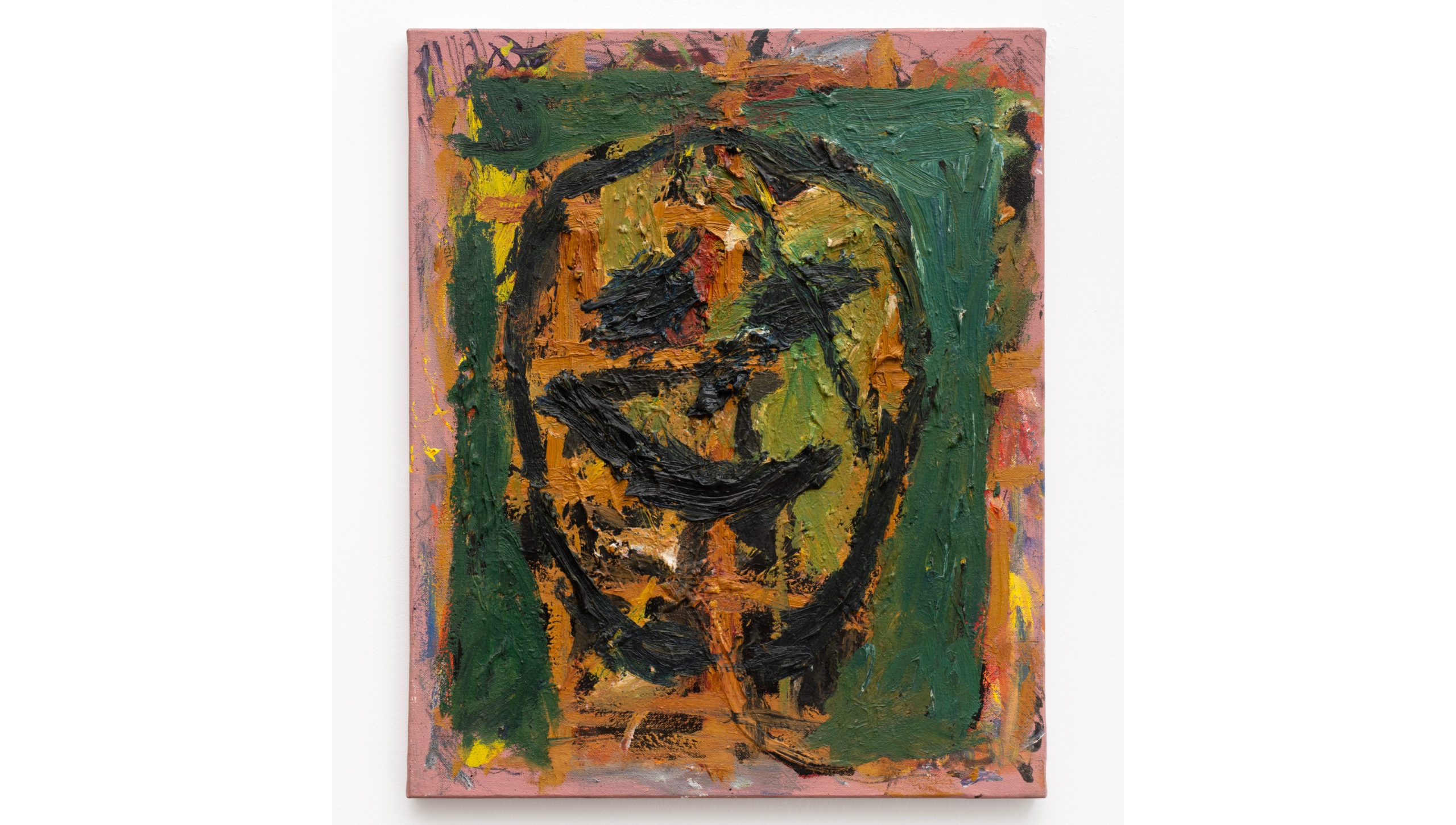
Alberto Datas. Untitled. Mixed technique on canvas. 46 x 38 cm
> DOSSIER (PDF)