
“HACER TORRIJAS COMO ACTO DE RESISTENCIA”, BY MARCOS MARTINCANO
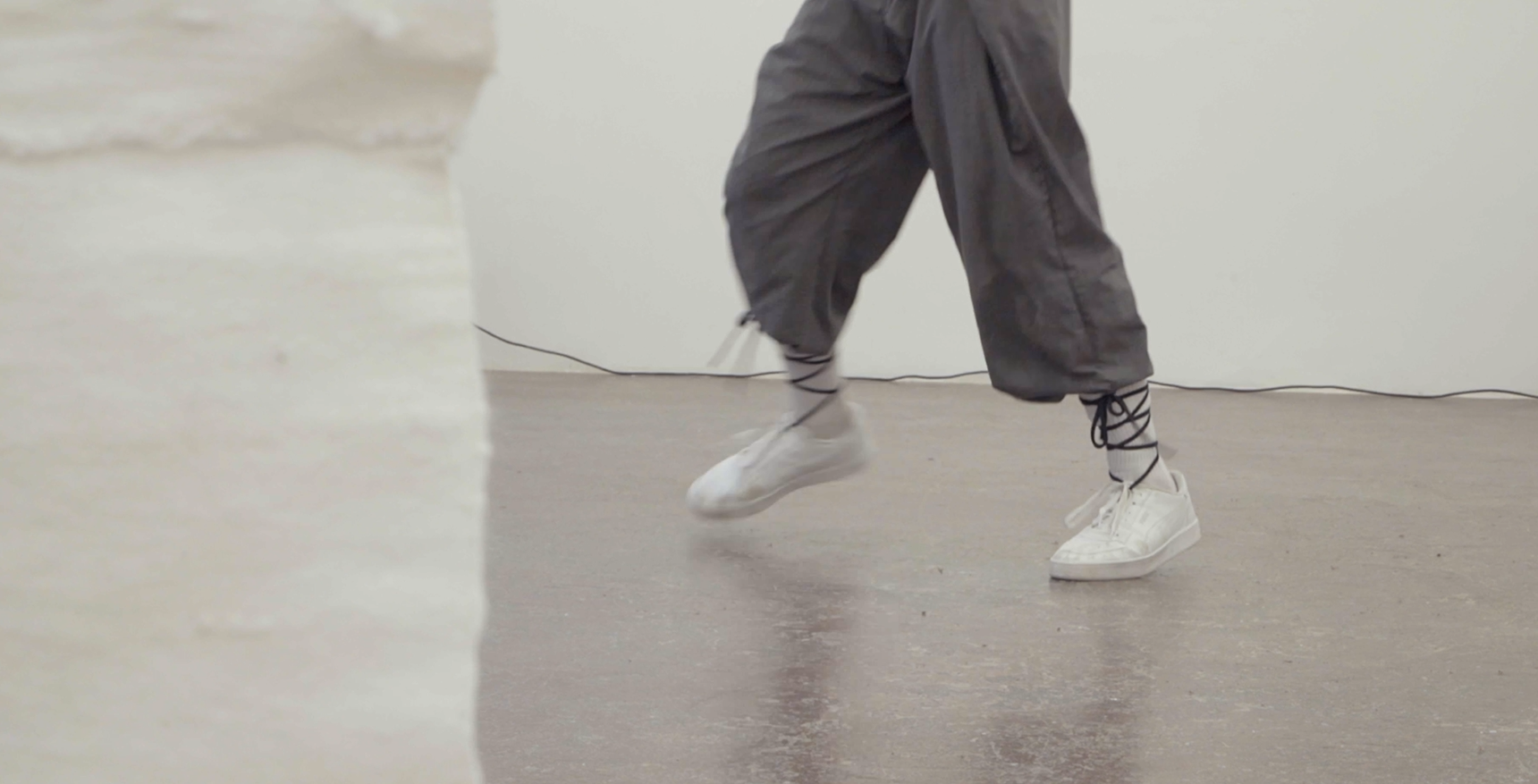
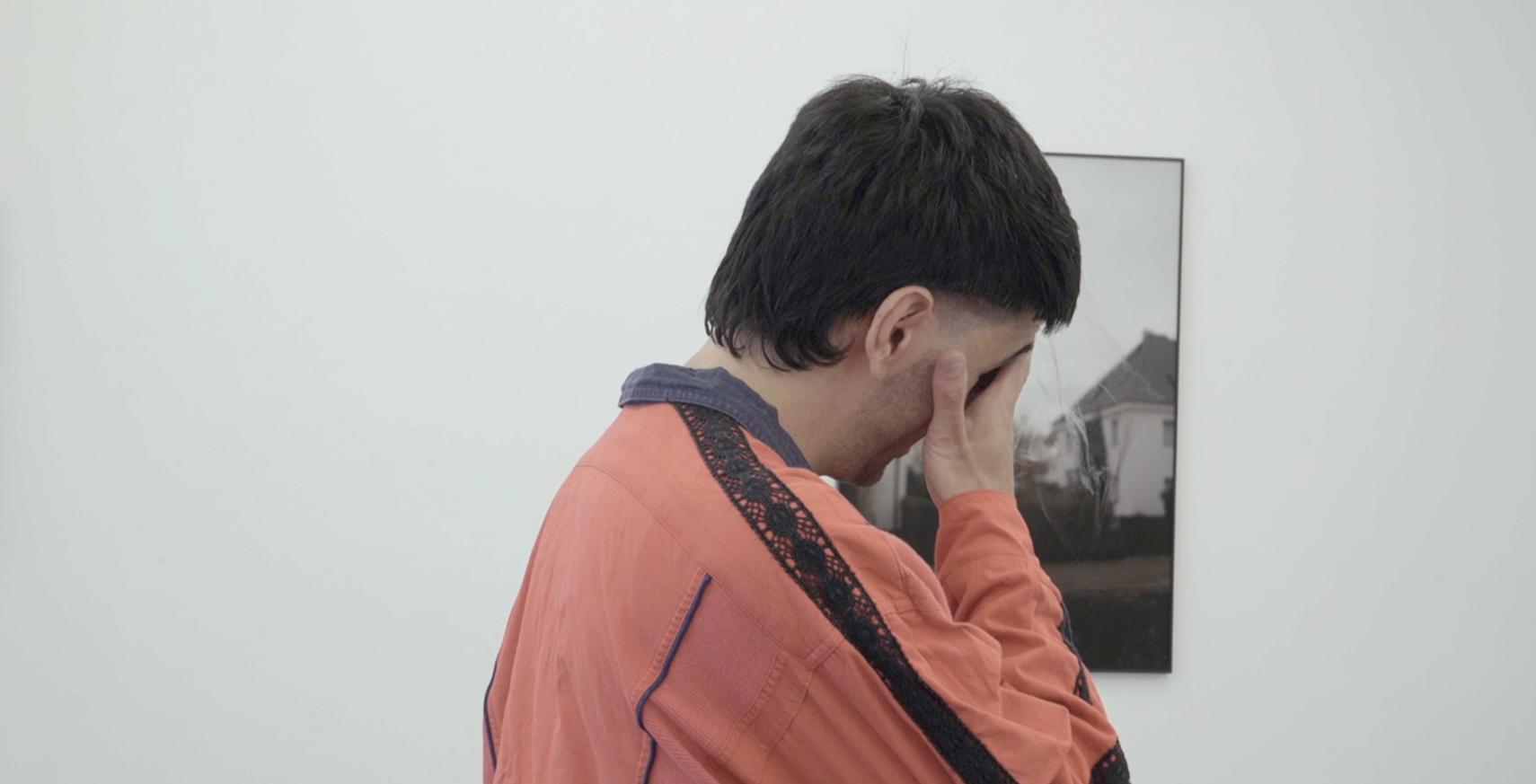
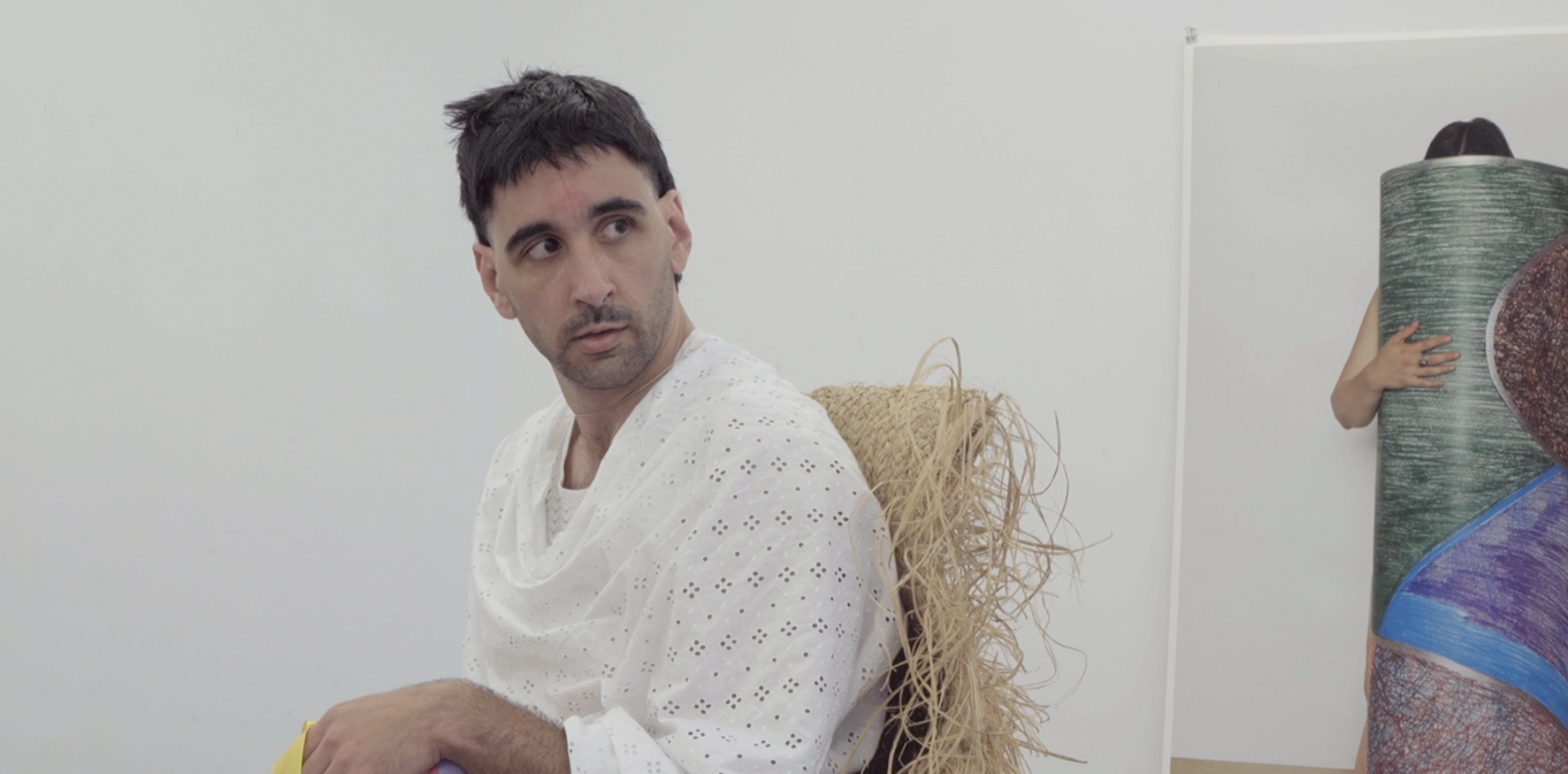
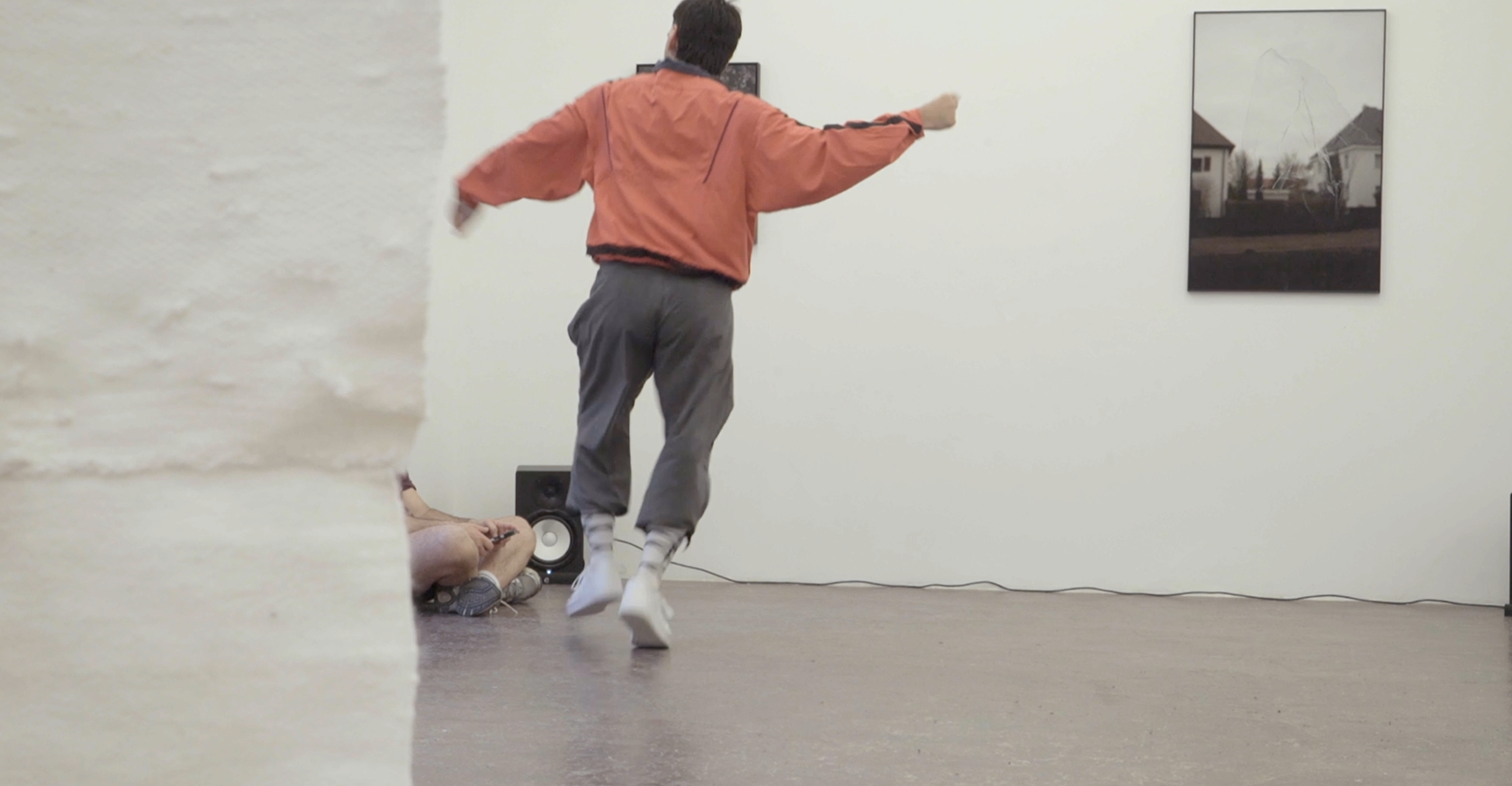
Hacer torrijas como acto de resistencia [Making torrijas as an act of resistance] is a piece that explores the tension between what is inherited and what is desired, a dialogue between past and future. The land, simultaneously a place of belonging and a space of exclusion, becomes for those who have been uprooted both an object of desire and a field of struggle. An urgency thus emerges to reconnect with roots not through nostalgia, but through the subversive potential of tradition, in order to navigate between celebration and mourning.
To this end, weaving and superimposing dance, text, sound, and costume, a body digs into the earth to recover its inherited gestures and forgotten narratives, in order to trace a line between the individual and the collective, between the private and the political. Time disintegrates and twists, becoming a fabric that folds onto itself, allowing the past to erupt into the present.
In this way, tradition ceases to be a practice that preserves the immutable and becomes an act of critique that challenges hegemonic notions of what it means to belong. And in that subtle frontier between what has been and what is, resistance can be activated and generate new forms of community and connection, building a bridge between the heritage we have been given and the future yet to be built.
Marcos Martincano (Madrid, 1994) is a creator, performer, and researcher in dance. He holds a degree in Choreography from the Conservatory of Dance of Madrid and an MA in Embodied Artistic Research from the Royal Conservatoire of Antwerp. From a political and social understanding of art, his interdisciplinary practice explores notions of memory, relationality, and identity through an embodied and affective archive activated through movement as a form of thought and reflection. As a performer, he has worked with creators such as Romeo Castellucci, Antonio Ruz, Led Silhouette, and Poliana Lima. His work as a creator has been presented at festivals including SURGE Madrid, LABO XL, and Transmutaciones. He has also developed curatorial projects, commissions, and collaborations with institutions such as deSingel, Museo Nacional Centro de Arte Reina Sofía, Universidad de Oviedo, and Centro de Cultura Contemporánea Condeduque, and has taught classes and workshops at spaces including Carmen Senra, Danza180, and Bambudanza.
‘Hacer torrijas como acto de resistencia’ is the nineteenth edition of CAMPING.
CAMPING is a project by Nerea and Idoia Fernández, directors of NF/NIEVES FERNÁNDEZ, and by Blanca Cortés, a lawyer specialized in intellectual property.