

combarro.en
Nicolás Combarro
QUAD. Al fondo, a la izquierda
NF/NIEVES FERNÁNDEZ
2025
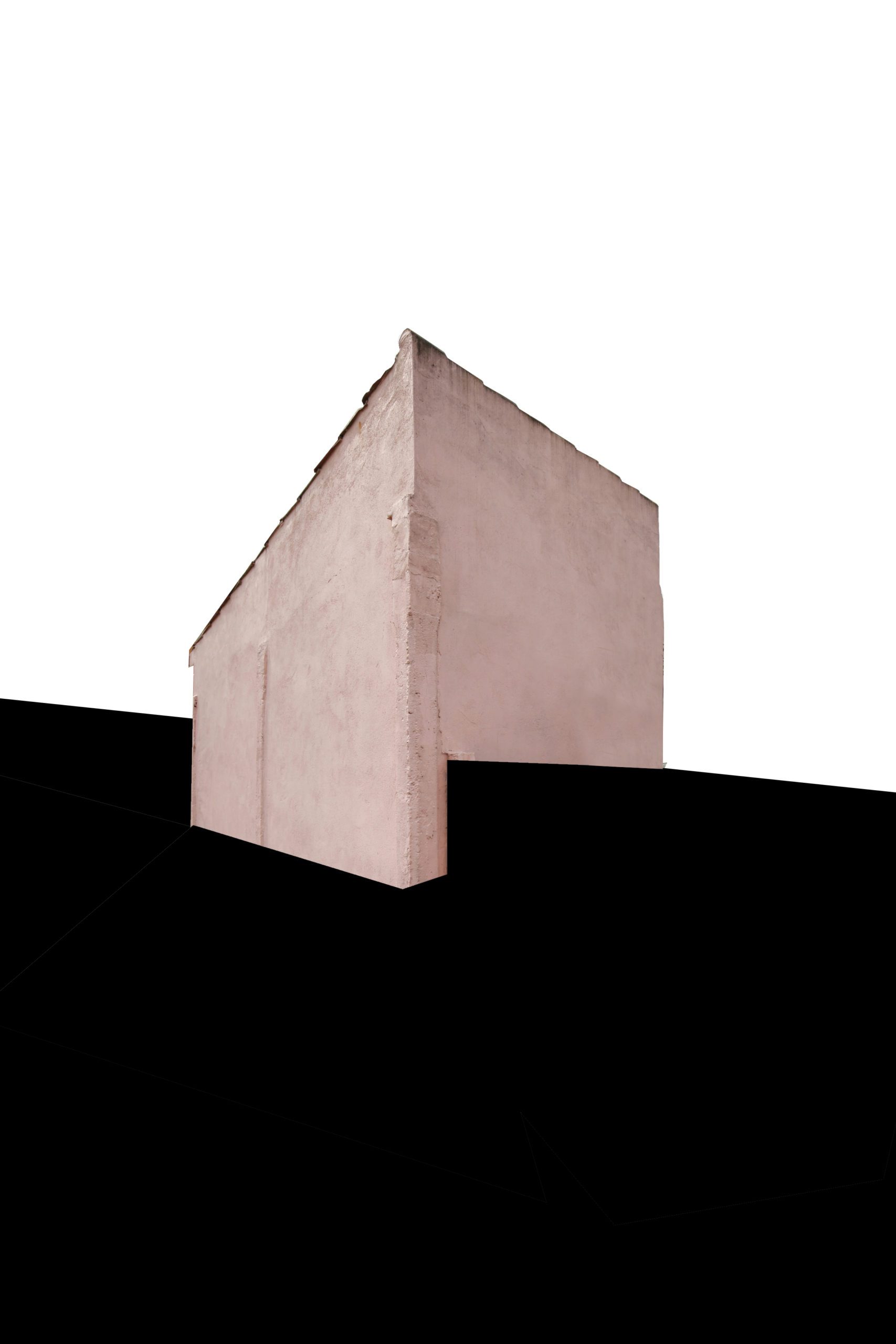
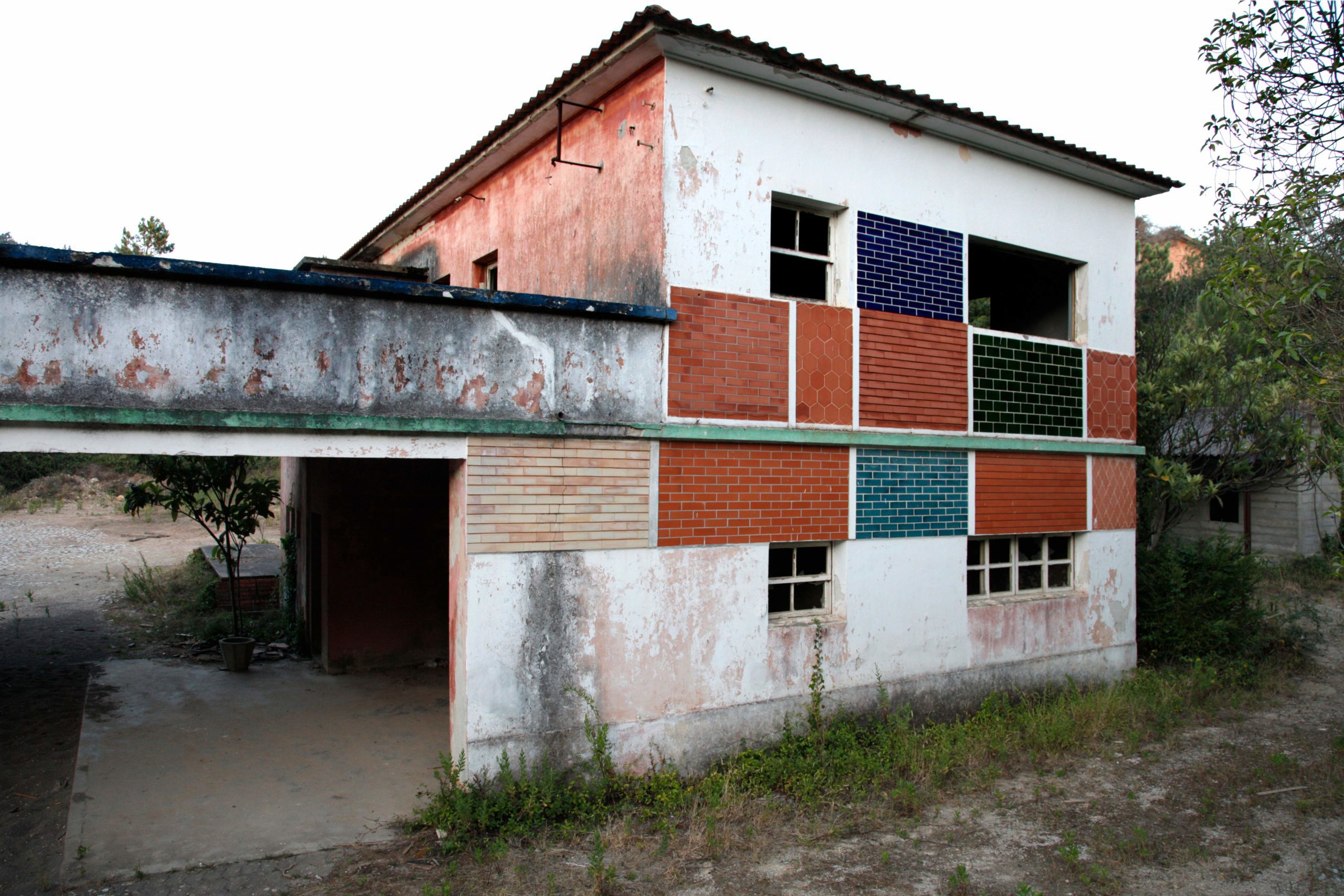
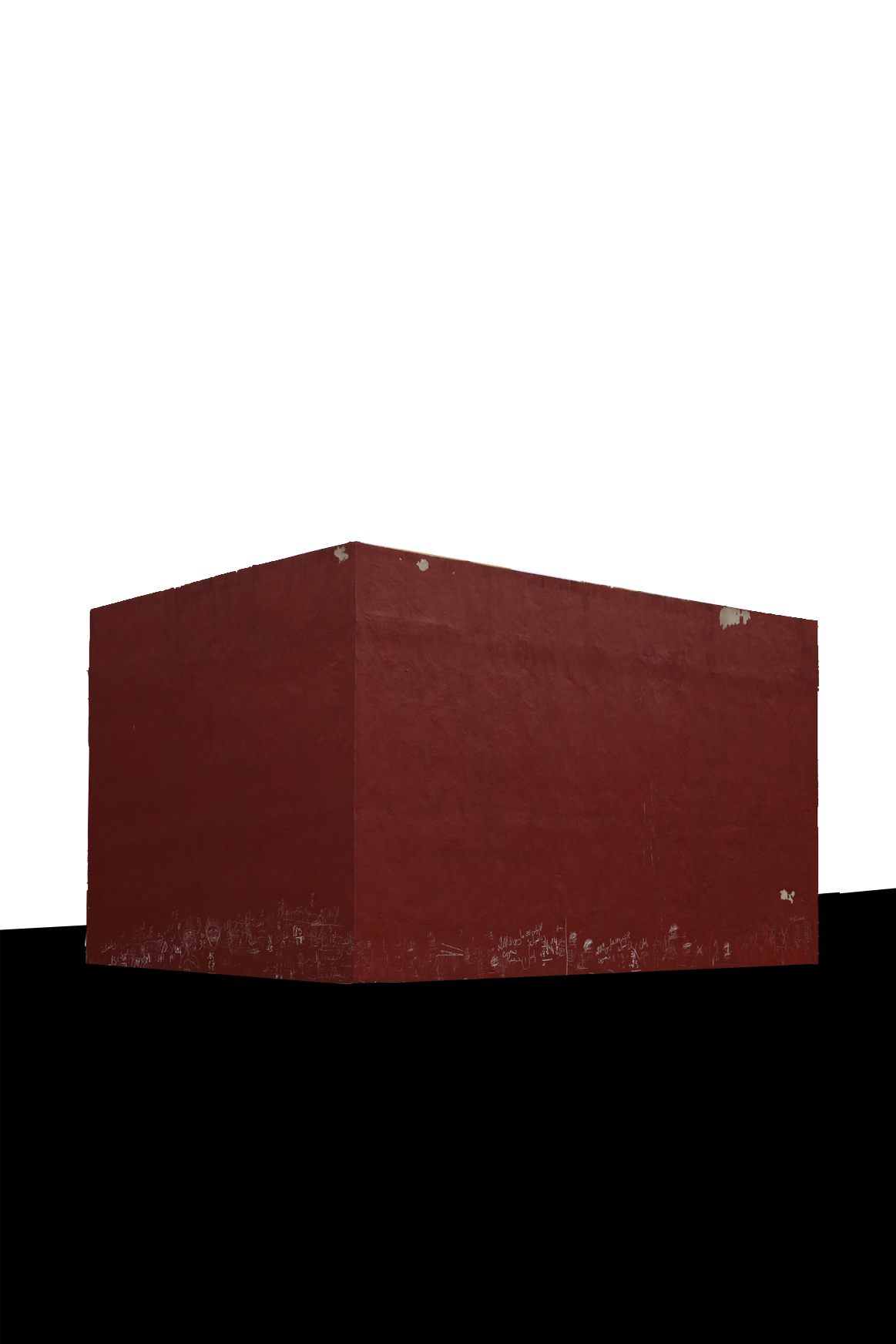
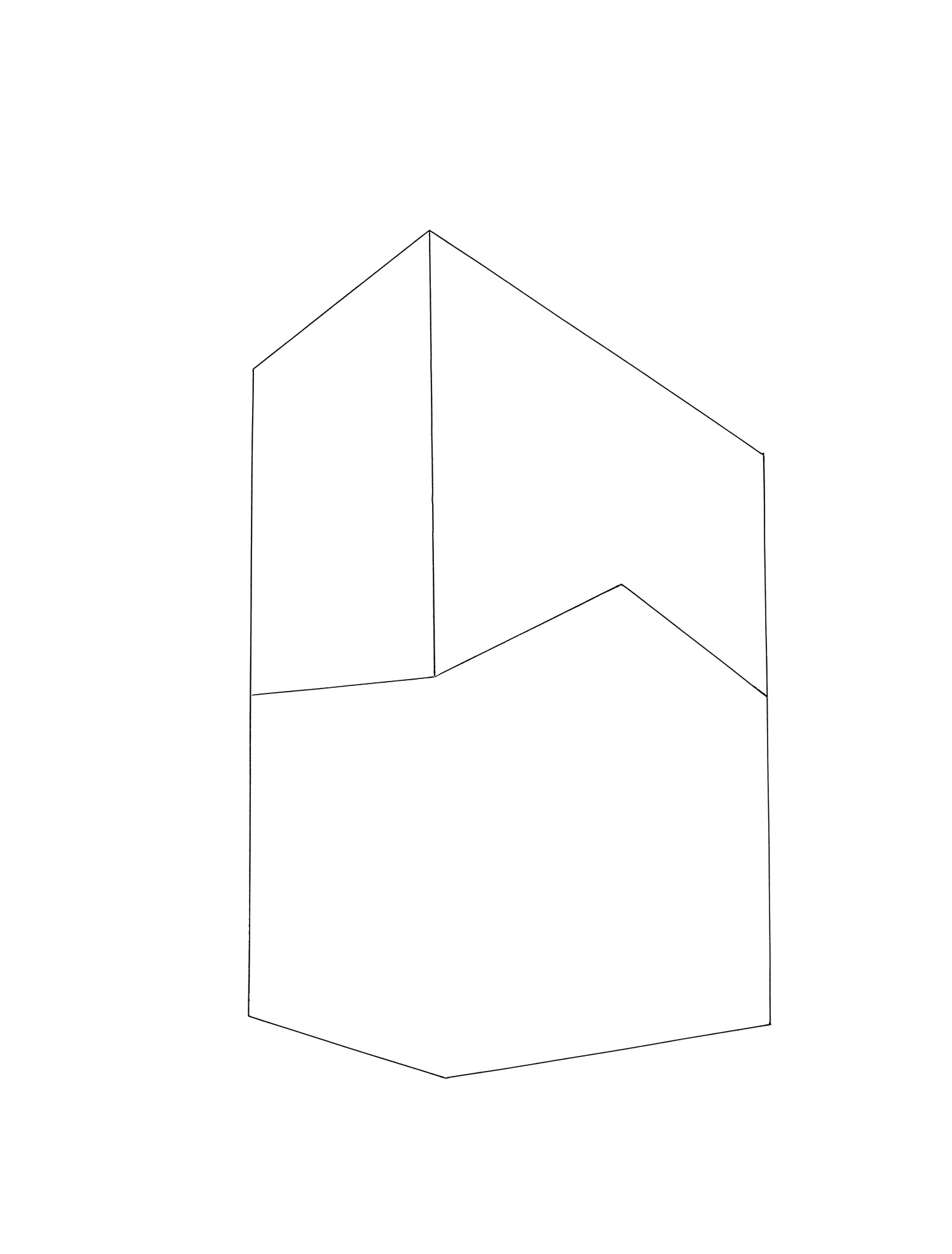
The work of Nicolás Combarro is grounded in insistent attempt, in continuous exercise, in repeated and documented action. In the transversal selection drawn from several of his series for this episode of Interludios, this insistence concentrates on a single form in order to unfold multiple approaches to a constant.
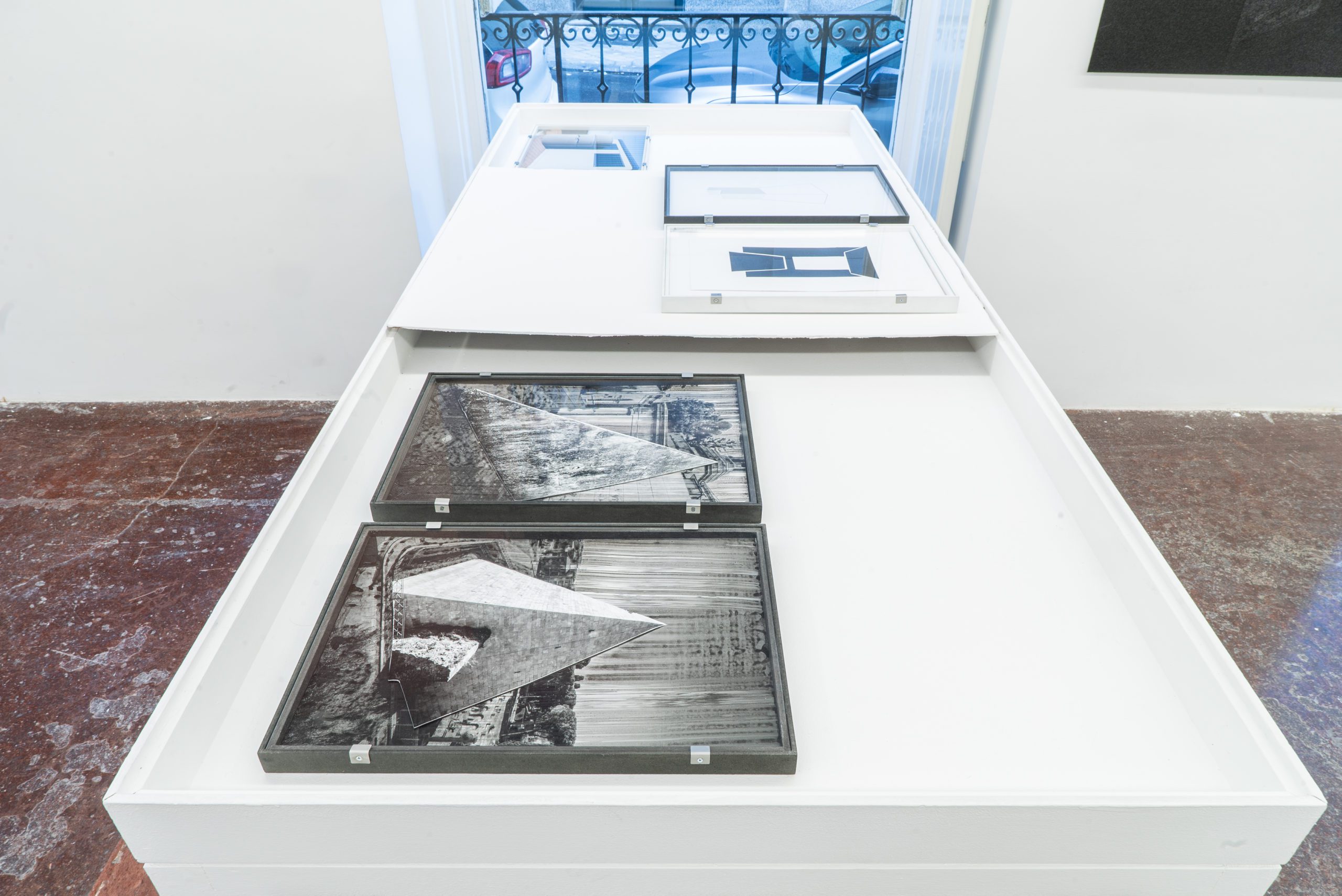
Within the catalogue of images that the artist produces and draws from, this exhibitionary conversation is founded on a square, a rectangle, two triangles set in opposition so as to once again form a four-sided composition… Fields of color, measuring lines, geometries—forms that develop against a continuous ground.
The assault on form—its pursuit, composition, and decomposition—makes it possible to traverse those grounds. Grounds that are specific landscapes the artist actively seeks out. He searches for them, or they emerge to meet him, as happens to a trained and attentive eye. While the forms evoke art historical references that oscillate between three-dimensionality and two-dimensionality—from El Lissitzky and Schwitters to Kounellis or Miguel Ángel Campano—the grounds are tied to a particular stance toward what has been abandoned, set aside, concealed, or forgotten: a political vision of recovery, recognition, revaluation, and restoration. Form as a squared position.
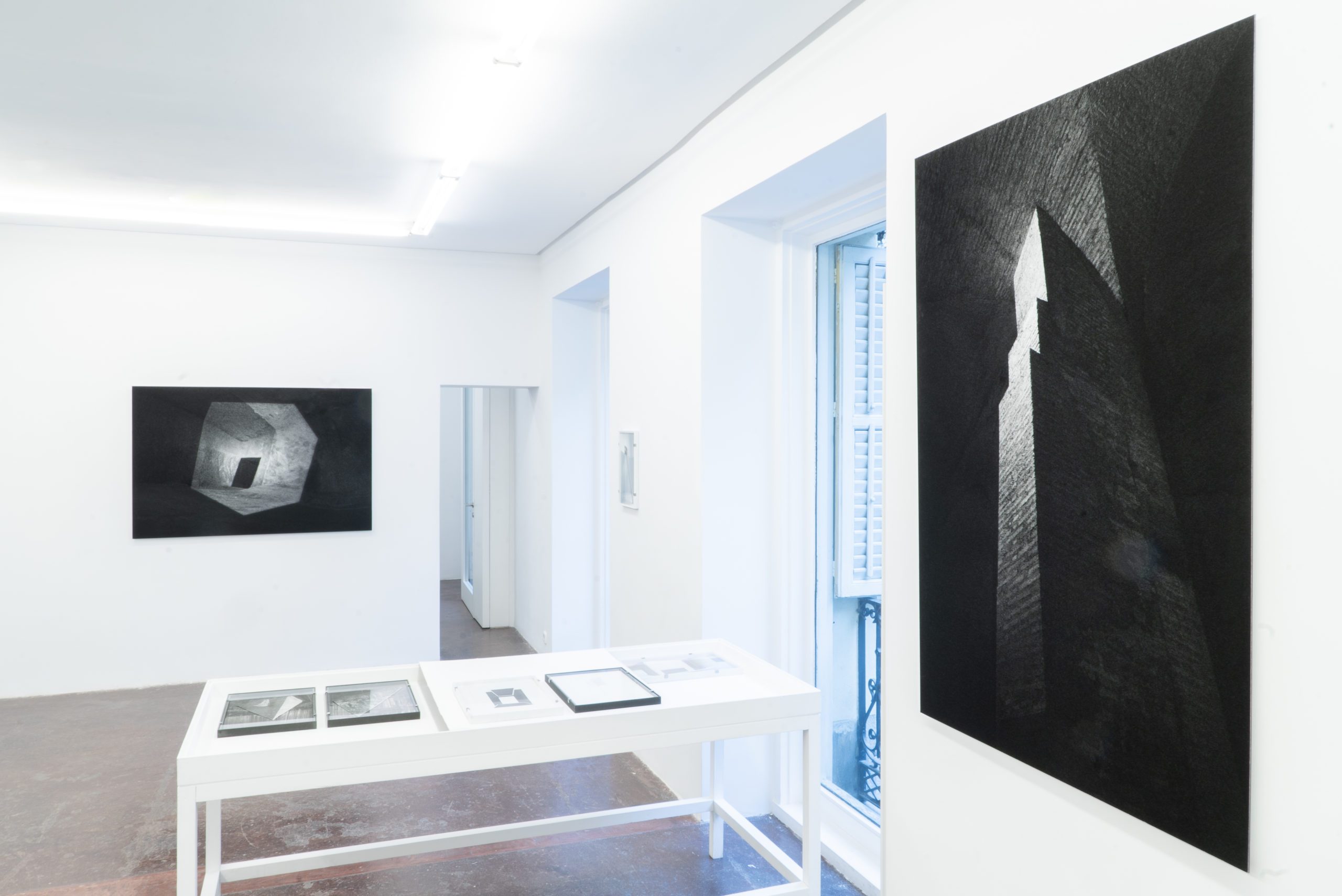
The ground surges forward and resonates as the primary plane, as the artistic action documented in the images. Works from the series Línea, Línea de sombra, Arquitectura espontánea, Desvelar/desplazar, Sotterranei, and La materia del silencio generate—through the actions undertaken and through pictorial, sculptural, or luminous movement—staged interventions: whether in industrial buildings, abandoned structures, creations at the limits of the imaginable, concealed foundations, or architectures of repression erased from collective memory.
In his analysis of aesthetic observation—a text that asks why we look at something beyond its beauty—Paul Ziff refers to the piece Samuel Beckett made for television in 1981, Quad: “Modern works of art often require prolonged and continuous attention in order to be appreciated. The same is true of an alligator basking in the sun on the muddy bank of a swamp. Everything that is observed demands something in return”[i]. Beckett’s exercise was likewise structured around a square, with four characters traversing it in a sequence of cadences. A “ballet for four people,” in which each follows a specific movement and rhythm, always avoiding contact with one another and with the central area, which he terms the “danger zone.”
Now, from within this “danger zone,” carefully observing the trajectories Combarro traces in each work makes it possible to reveal that ground.
– Marta Ramos-Yzquierdo
[1] Ziff, P. (1984). Anything Viewed. In: Antiaesthetics. An Appreciation of the Cow with the Subtile Nose. Synthese Library, vol 174. Springer, Dordrecht
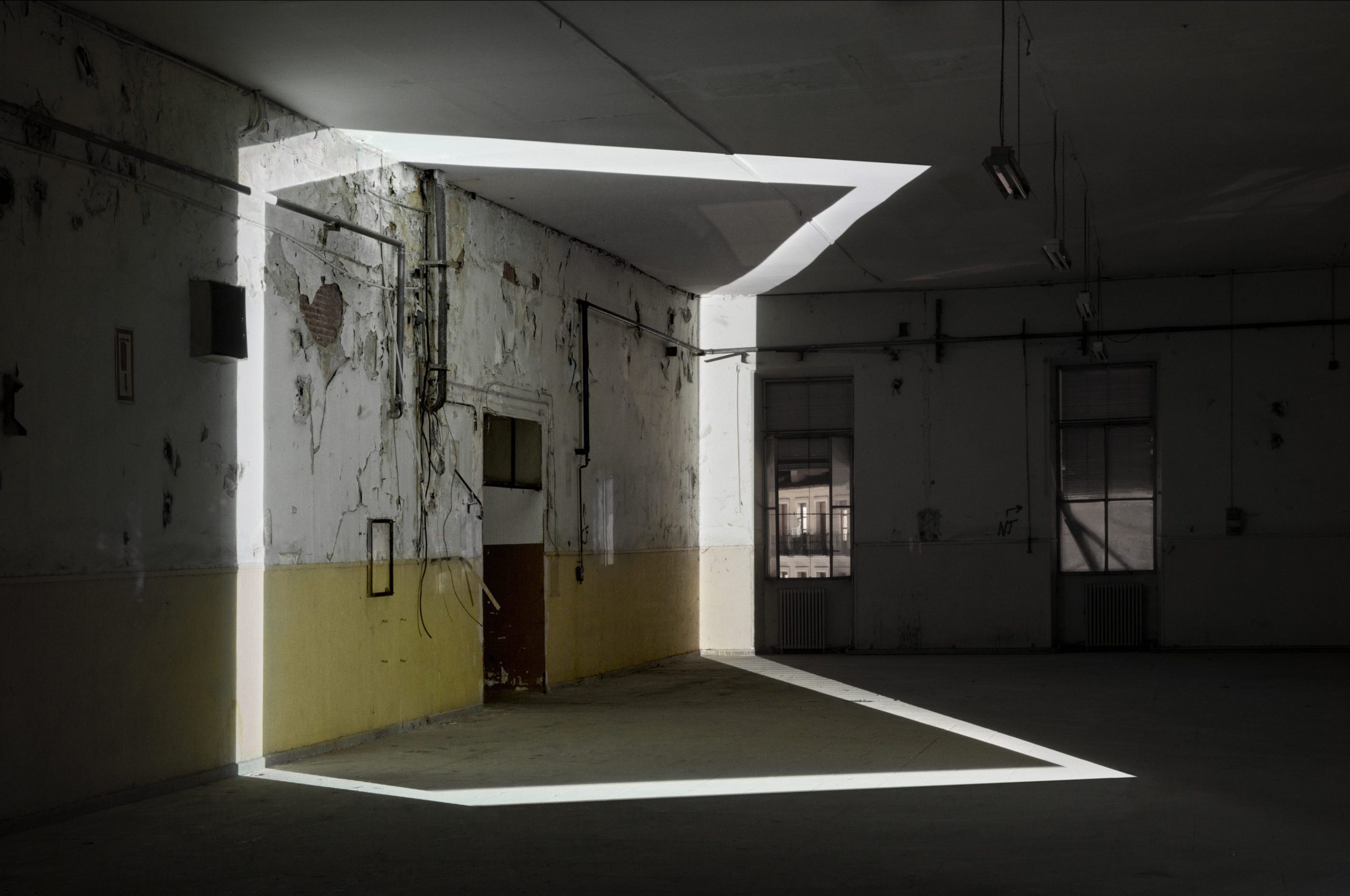
Nicolás Combarro
ST. Desvelar, desplazar IV (proyección de trapecio blanco)
2017
Color photography. Inkjet on Hahnemühle paper
125 x 160 cm
Ed. 1/7
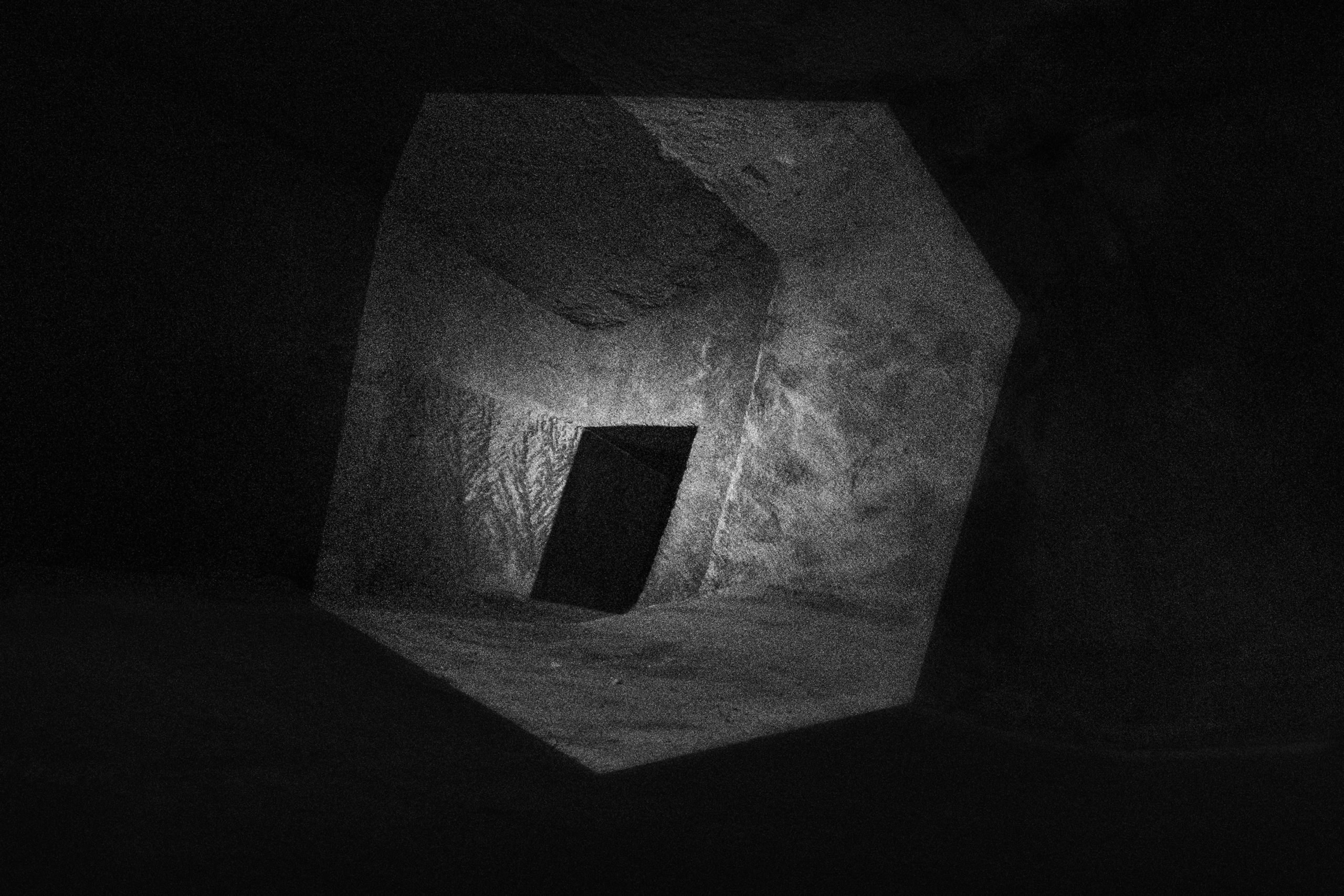
Nicolás Combarro
ST. Sotterranei (cantera bajo Via Appia, caffarella)
2018
B&W photography. Inkjet print on Hahnemühle paper
110 x 165 cm
Ed. 1/3
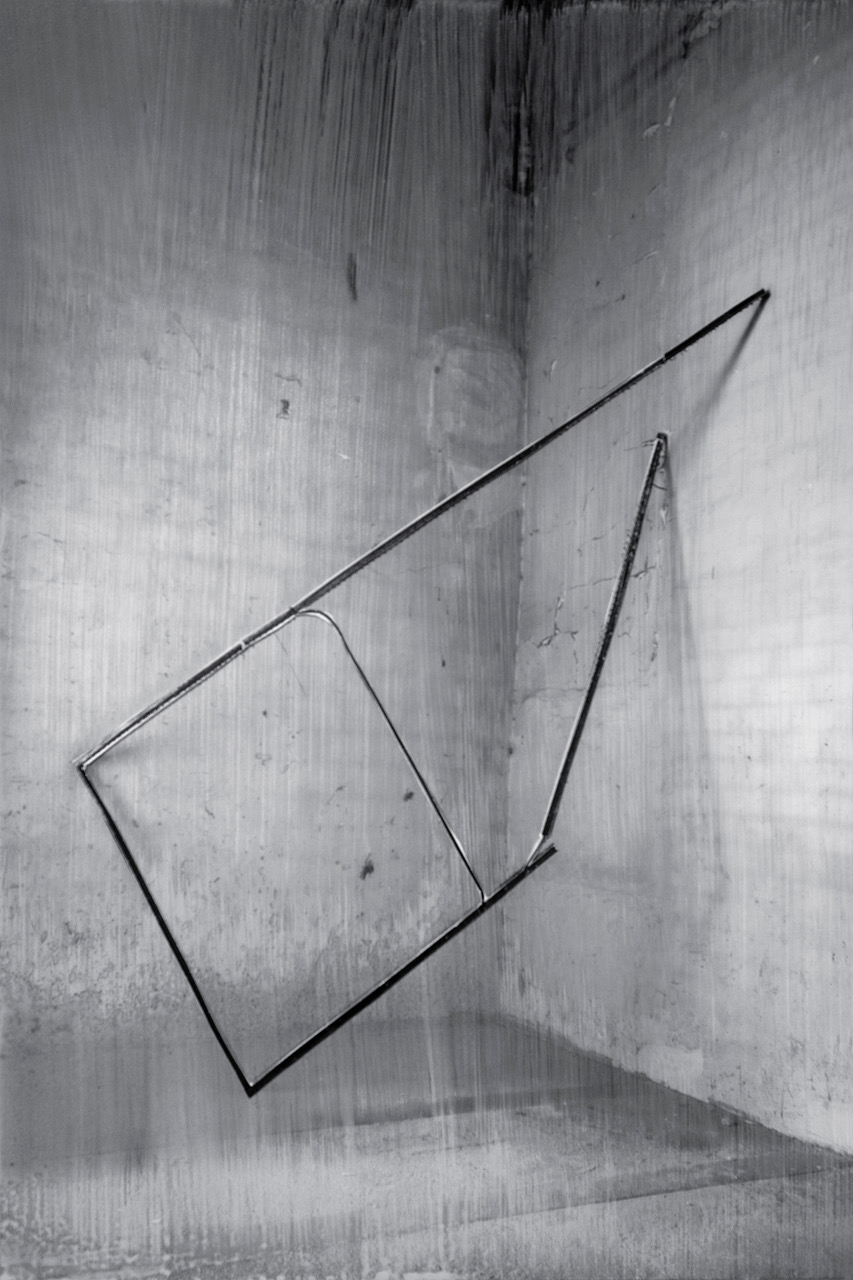
Nicolás Combarro
ST. SNIUR (ejercicio escultórico en Tabacalera II)
2025
Photography painted with acrylic. Inkjet print on Hahnemühle paper
43 x 30 cm
Ed. 1/5
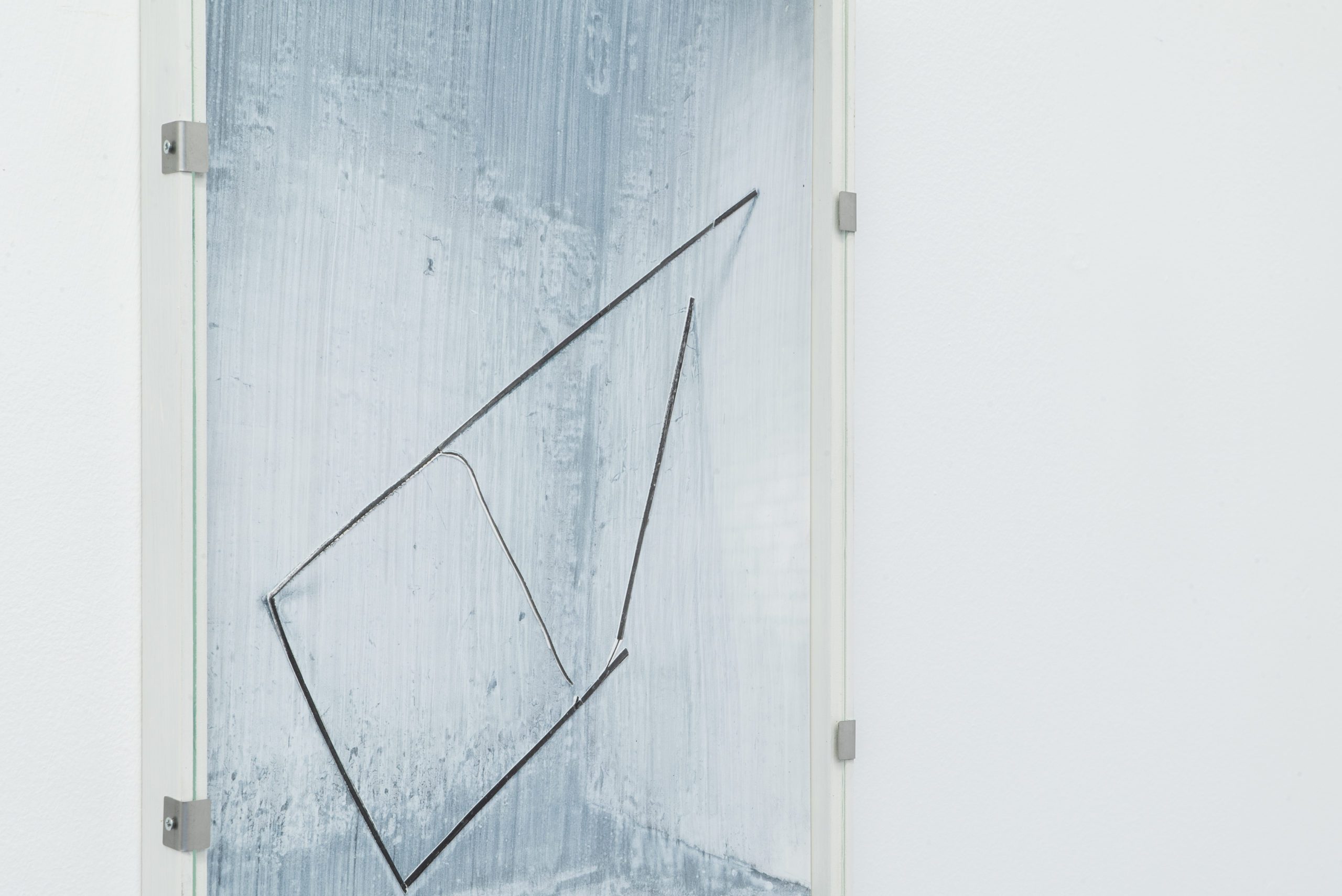
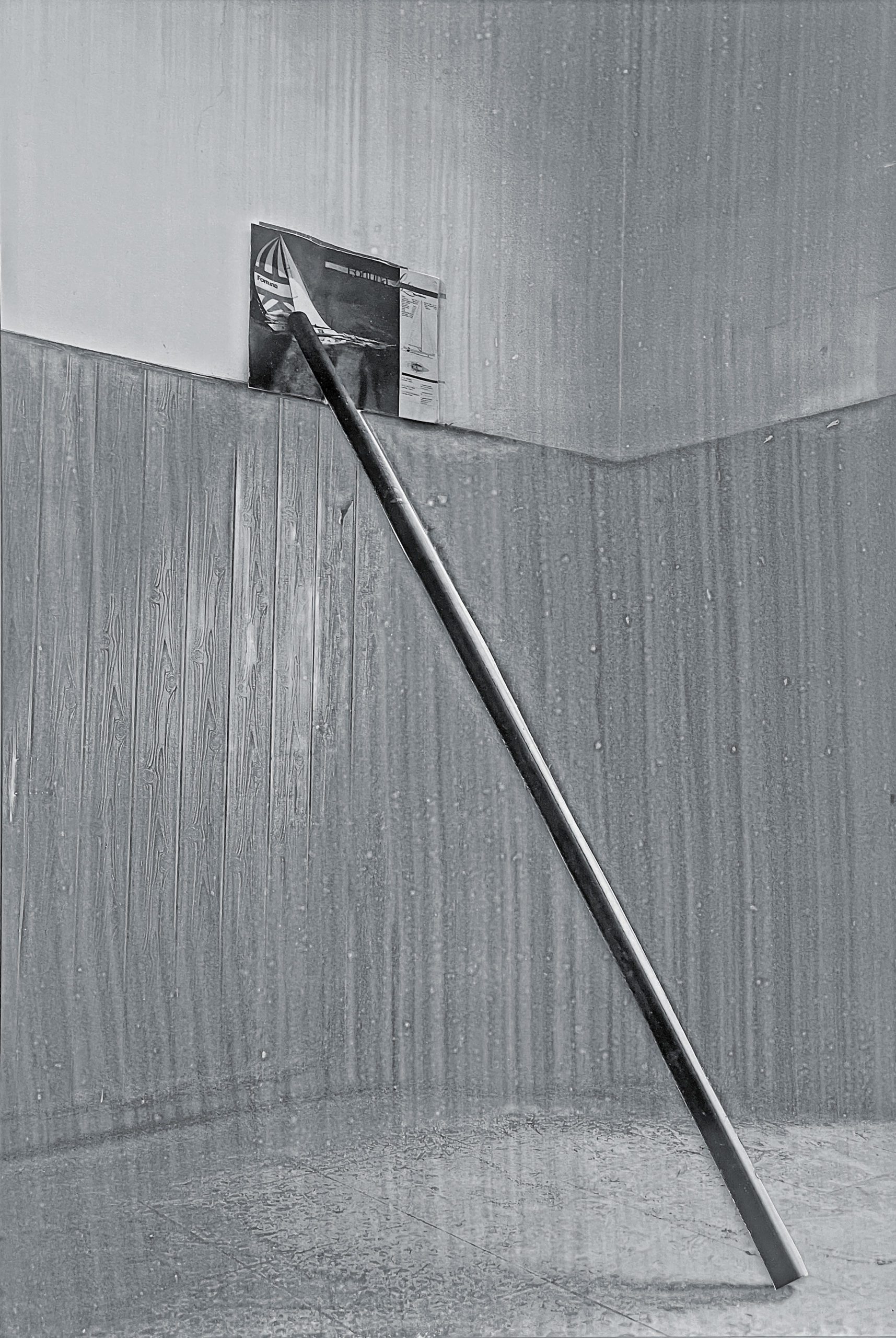
Nicolás Combarro
ST. SNIUR (ejercicio escultórico en Tabacalera I)
2025
Photography painted with acrylic. Inkjet print on Hahnemühle paper
43 x 30 cm
Ed. 1/5
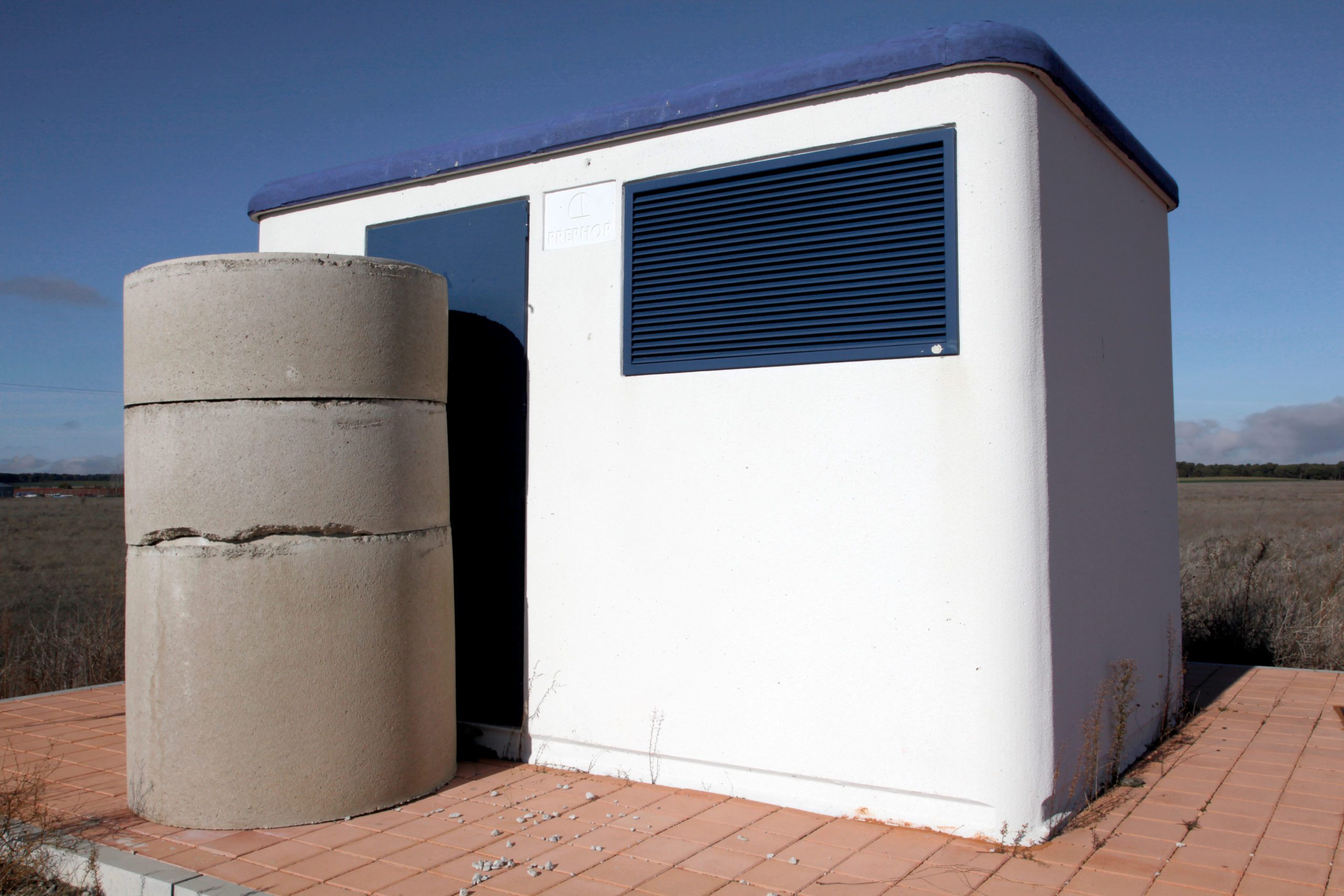
Nicolás Combarro
ST. Arquitectura Espontánea (fotografía II)
2017
Color photography. Inkjet print on Hahnemühle paper
30 x 43 cm
Ed. 1/7
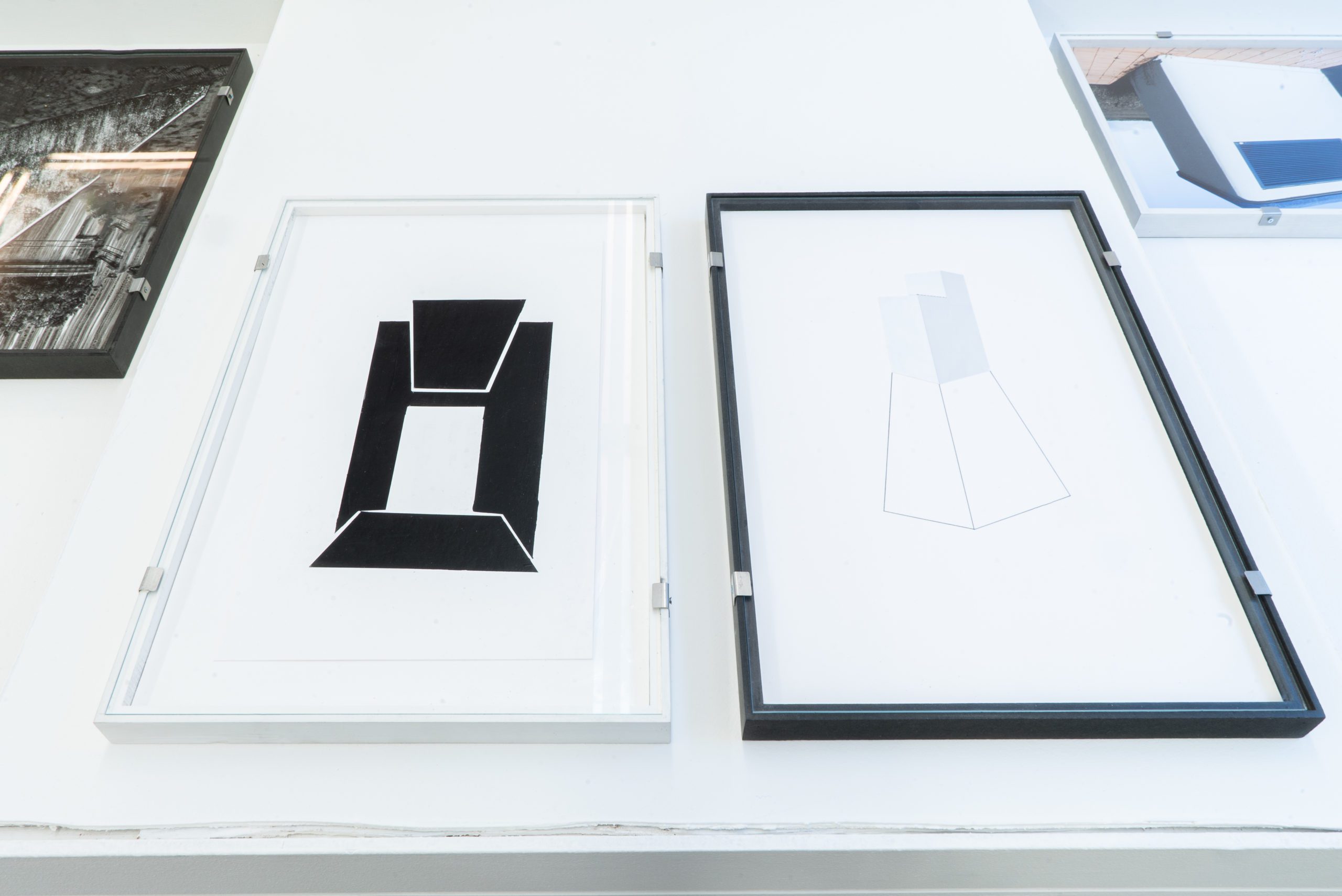
Nicolás Combarro
ST. Etruschi (tumba etrusca I)
Acrylic on cotton paper
43 x 30 cm
Unique
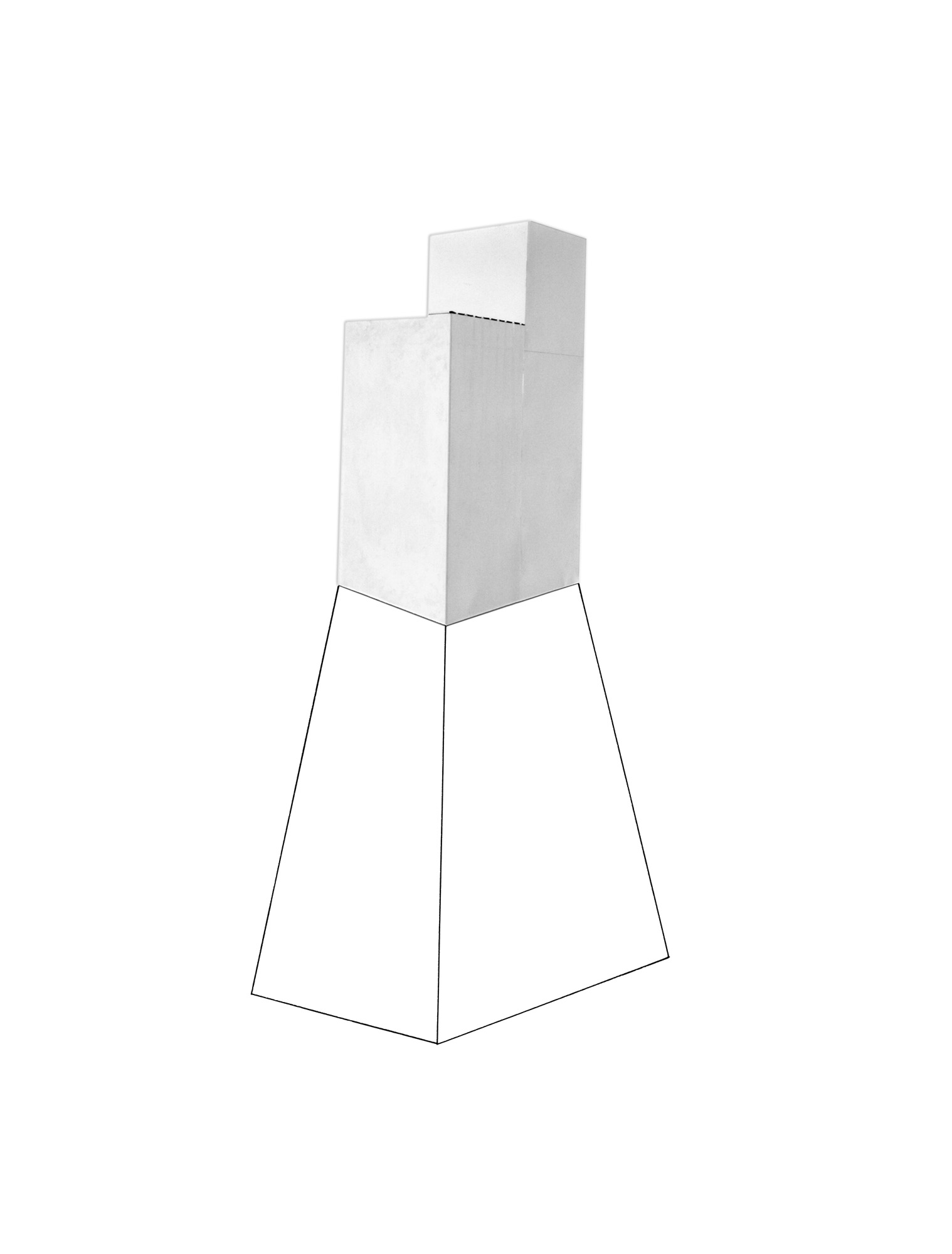
Nicolás Combarro
ST. Arquitectura Espontánea (croquis I)
Collage and black ink drawing on photograph. Pigment ink print on Hahnemühle paper
43 x 30 cm
Ed. 1/7
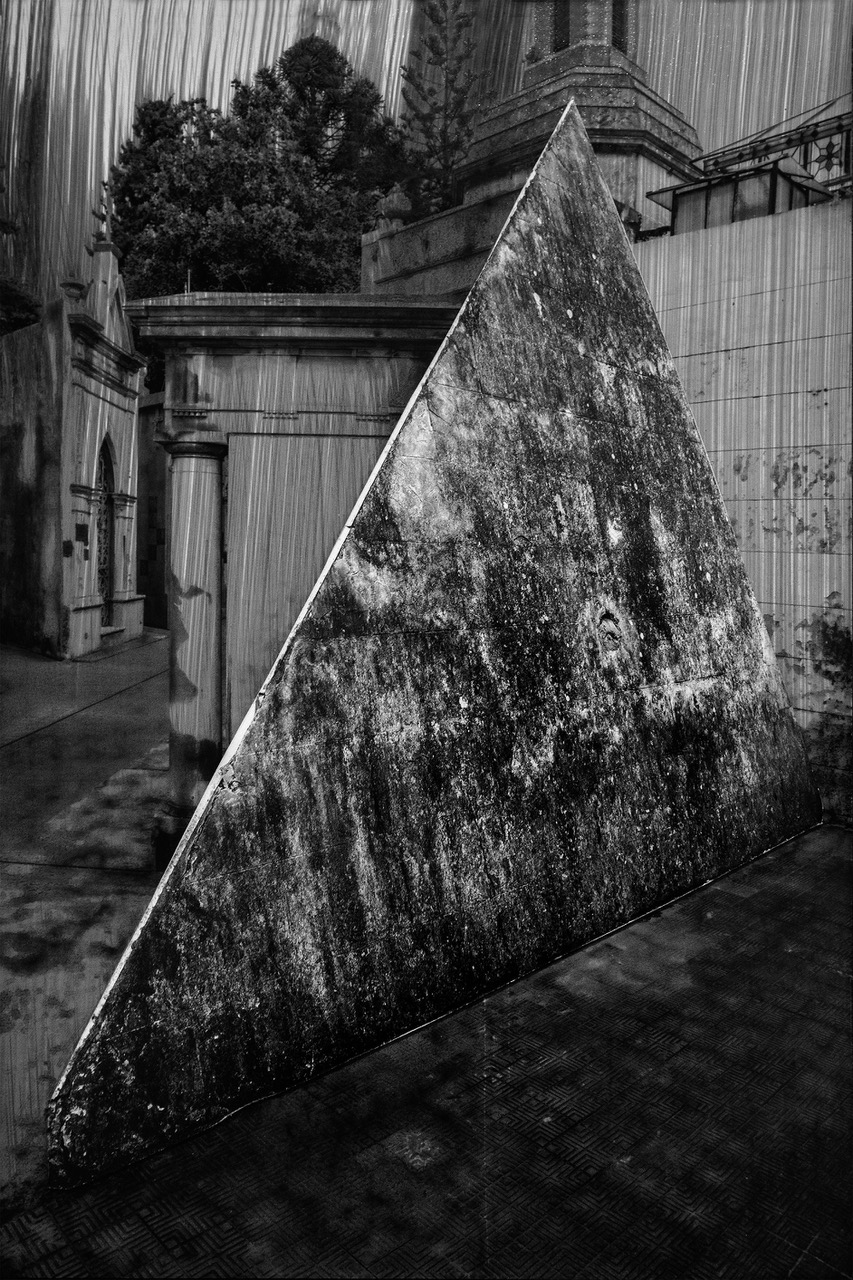
Nicolás Combarro
ST. SNIUR (tumba masónica)
2025
Collage and black ink drawing on photograph. Pigment ink print on Hahnemühle paper
43 x 30 cm
Ed. 1/5

Nicolás Combarro
ST. SNIUR (Pirámide Caio Cestio, Roma)
2025
Collage and black ink drawing on photograph. Pigment ink print on Hahnemühle paper
43 x 30 cm
Ed. 1/5
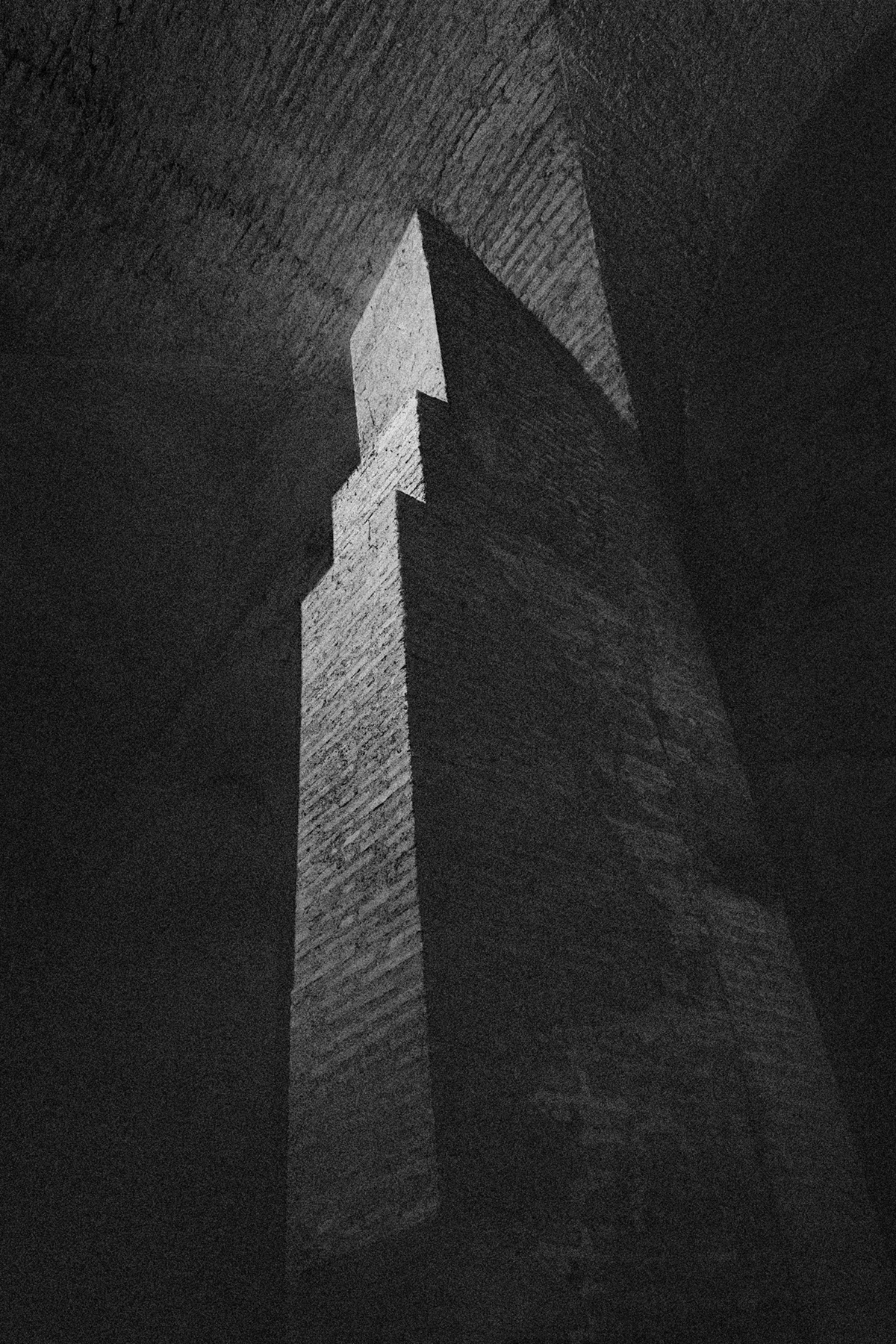
Nicolás Combarro
ST. Sotterranei (Pasaje Borbónico, refugio antiaéreo)
2018
B&W photography. Pigment ink print on Hahnemühle paper
165 x 110 cm
Ed. 1/3
Nicolás Combarro
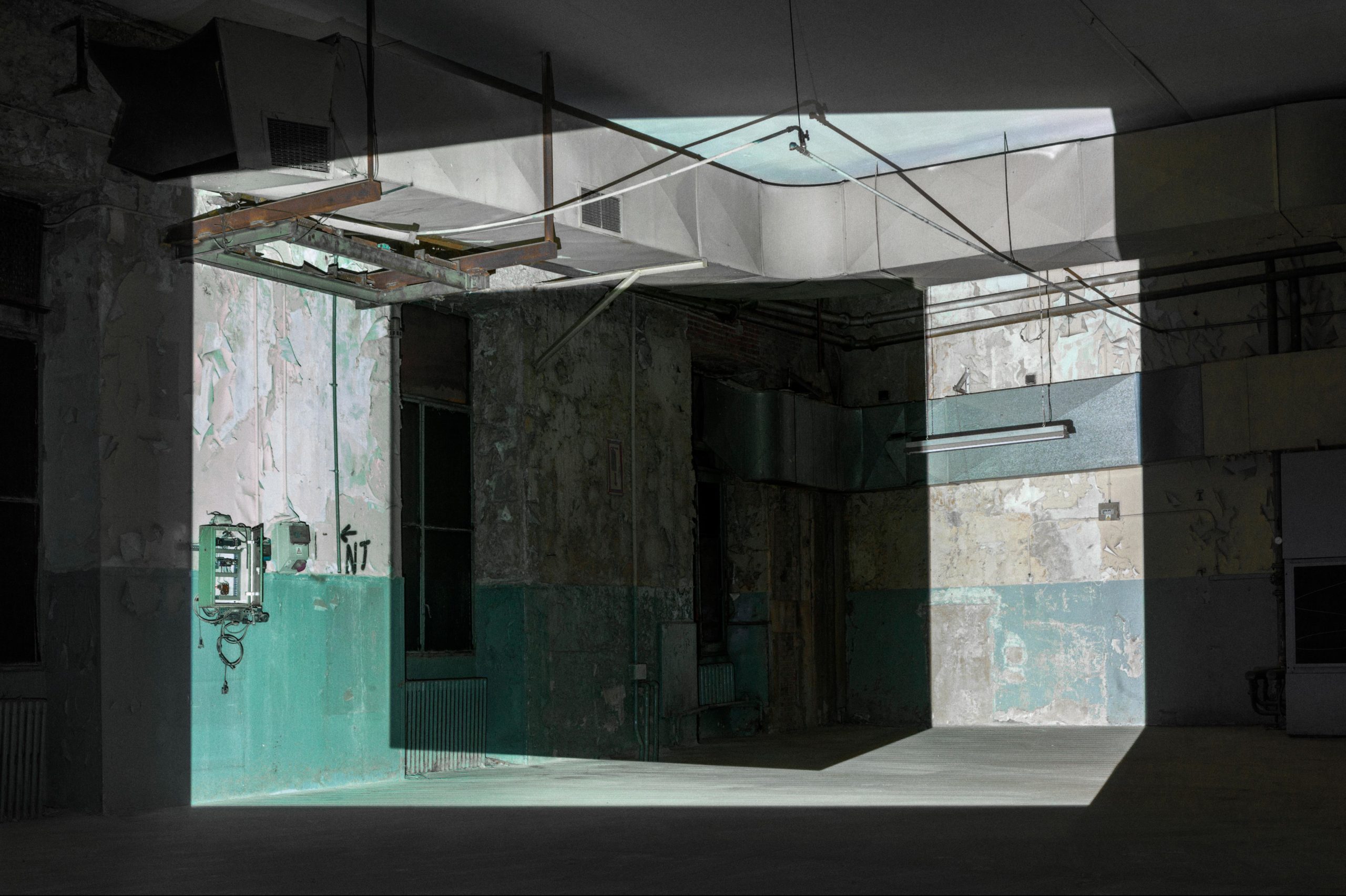
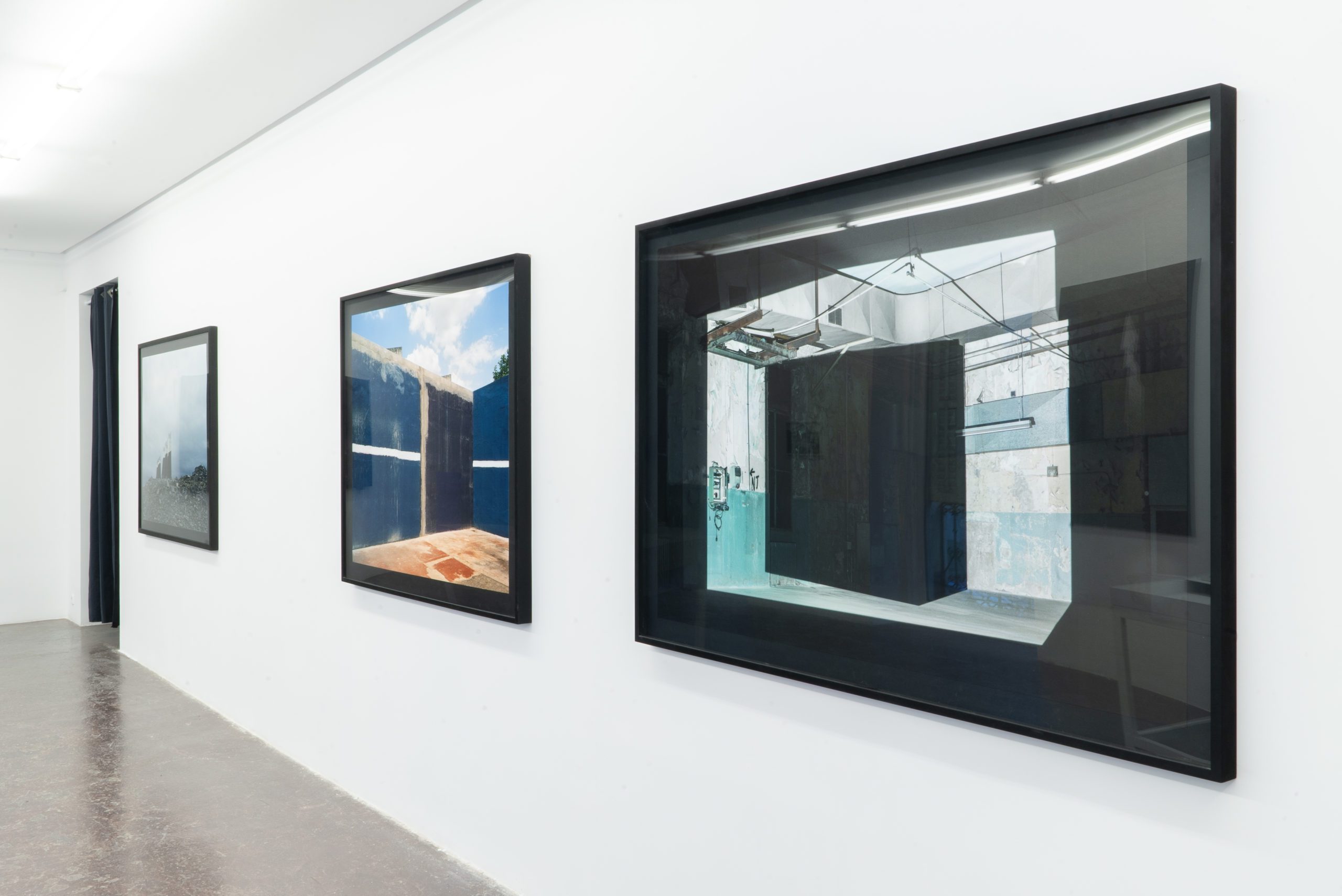
ST. Desvelar, desplazar I (proyección de cubo negro)
2017
Color photography. Inkjet print on Hahnemühle paper
125 x 160 cm
Ed. 2/5
Nicolás Combarro
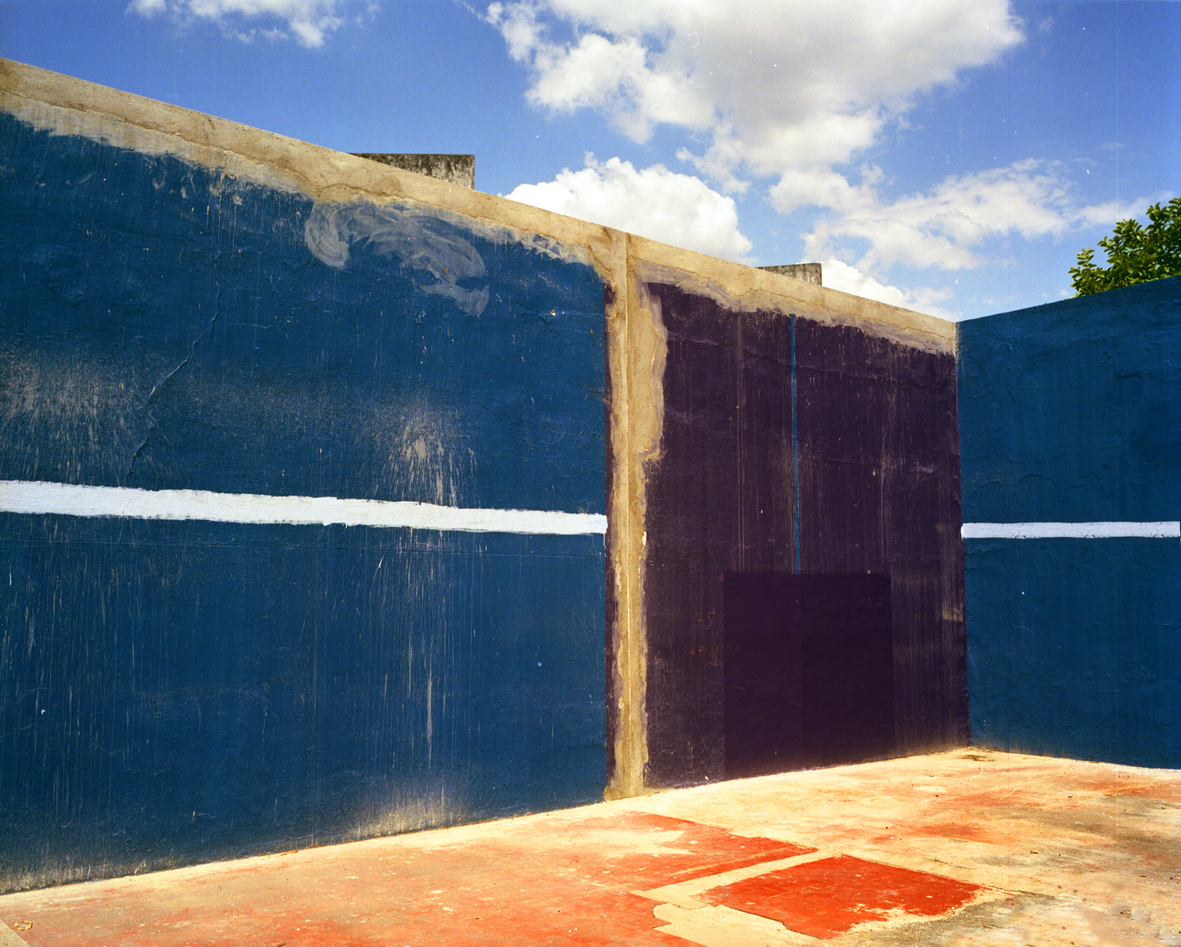
ST. Línea VII (pintura azul, blanca, púrpura y roja)
2008
Color photography. Inkjet print on Hahnemühle paper
125 x 160 cm
Ed. 2/5
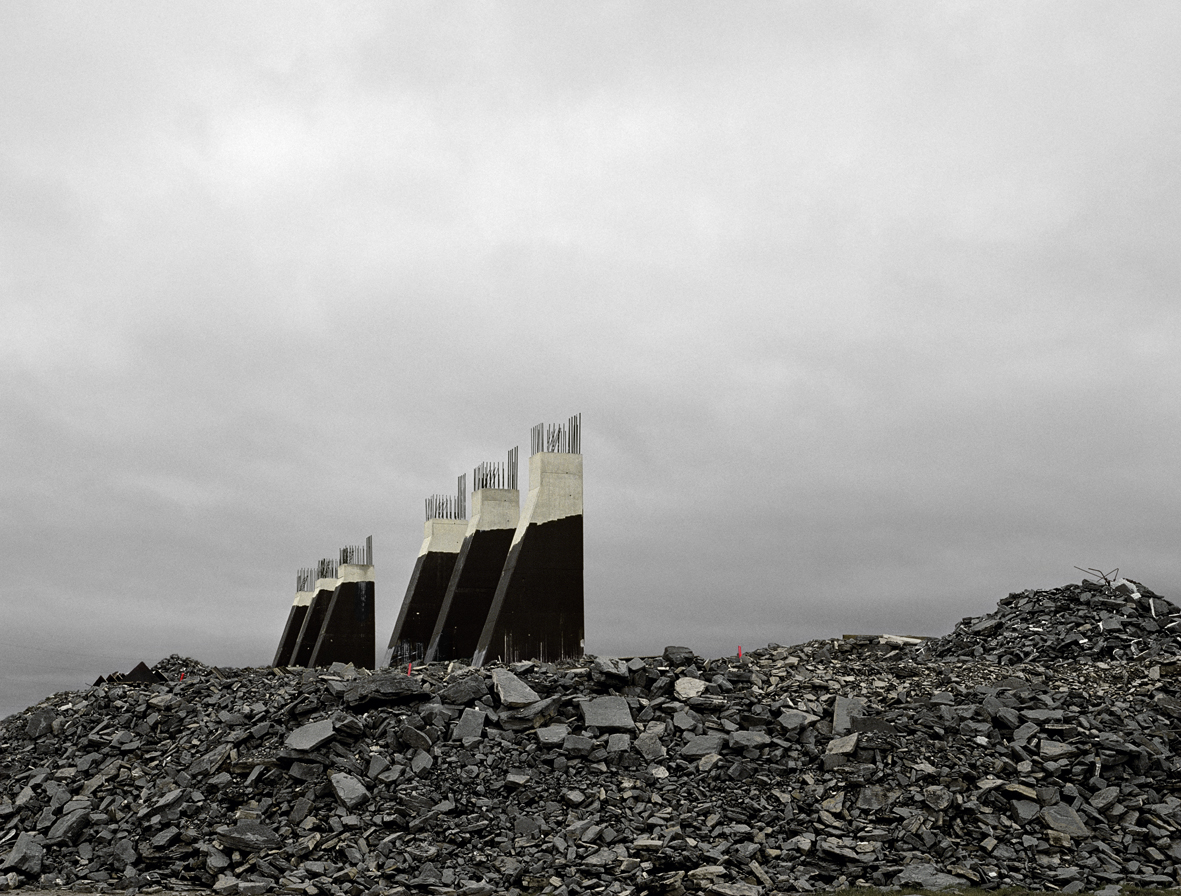
Nicolás Combarro
ST. Serie negra I (pintura impermeable negra)
2008
Color photography. Inkjet print on Hahnemühle paper
125 x 160 cm
Ed. 2/5

Nicolás Combarro
ST. La materia del silencio (resto arquitectónico cárcel Carabanchel)
2024
B&W photography. Inkjet print on Hahnemühle paper
30 x 43 cm
Ed. 1/7
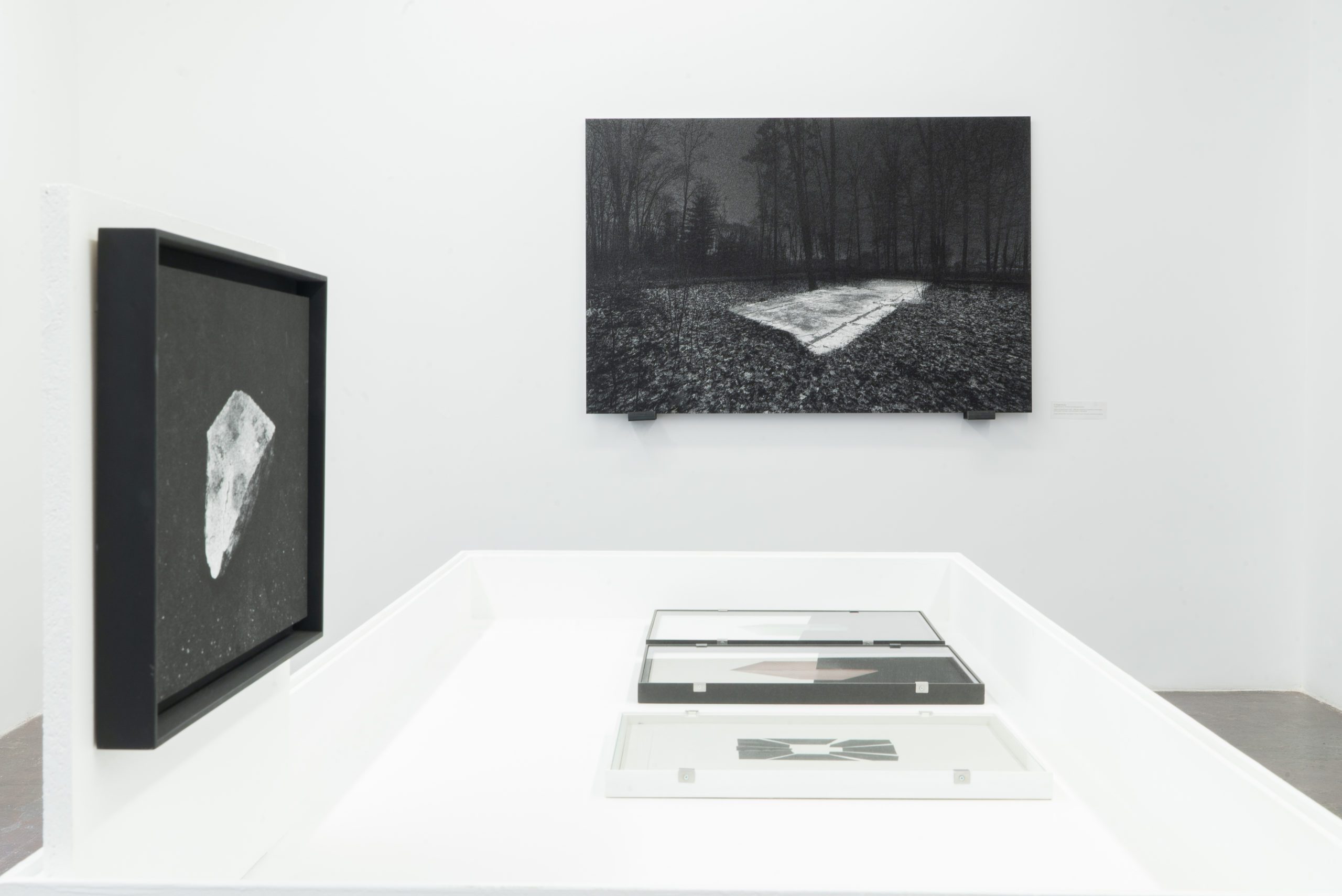
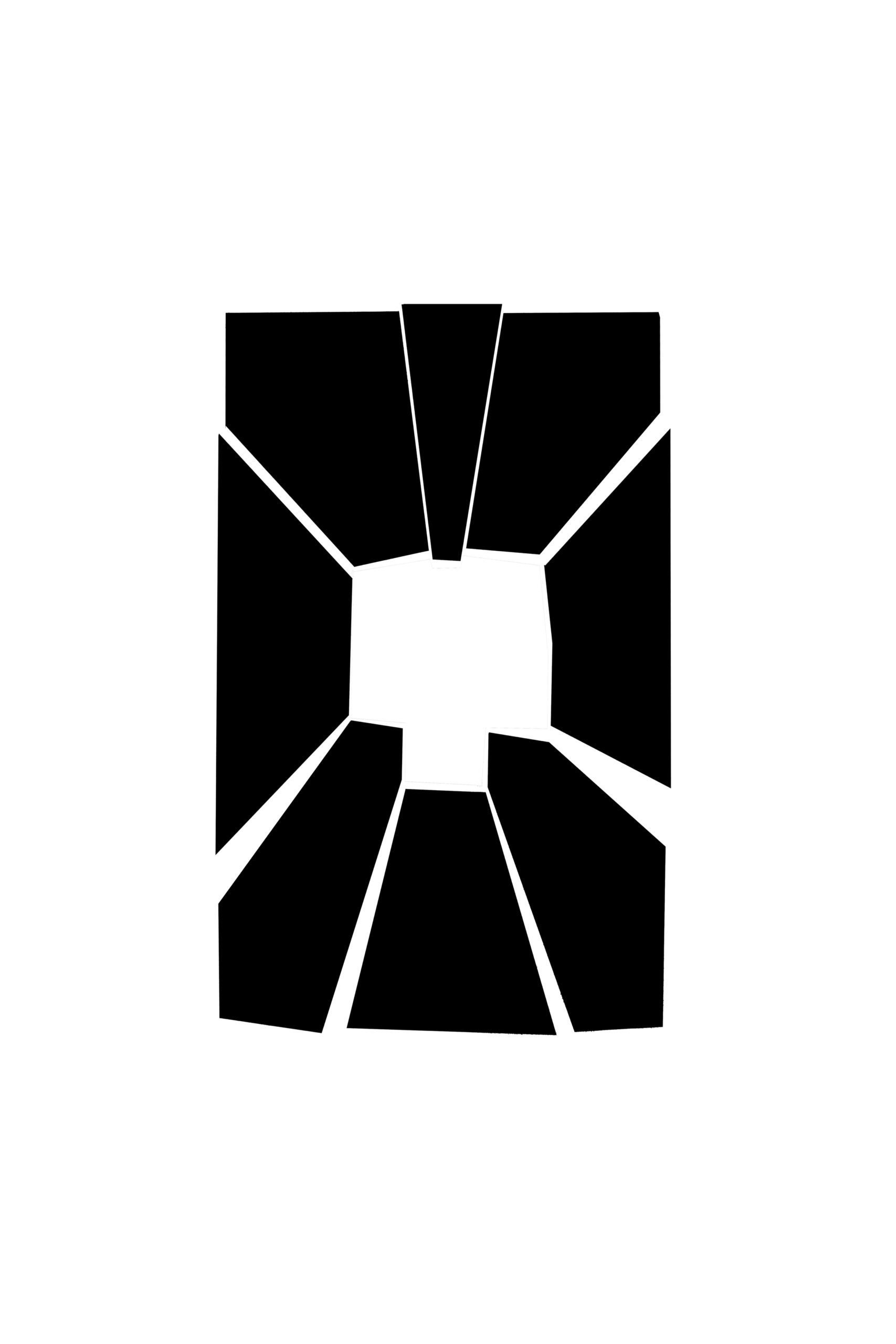
Nicolás Combarro
ST. Etruschi (tumba etrusca II)
Acrylic on cotton paper
43 x 30 cm
Unique
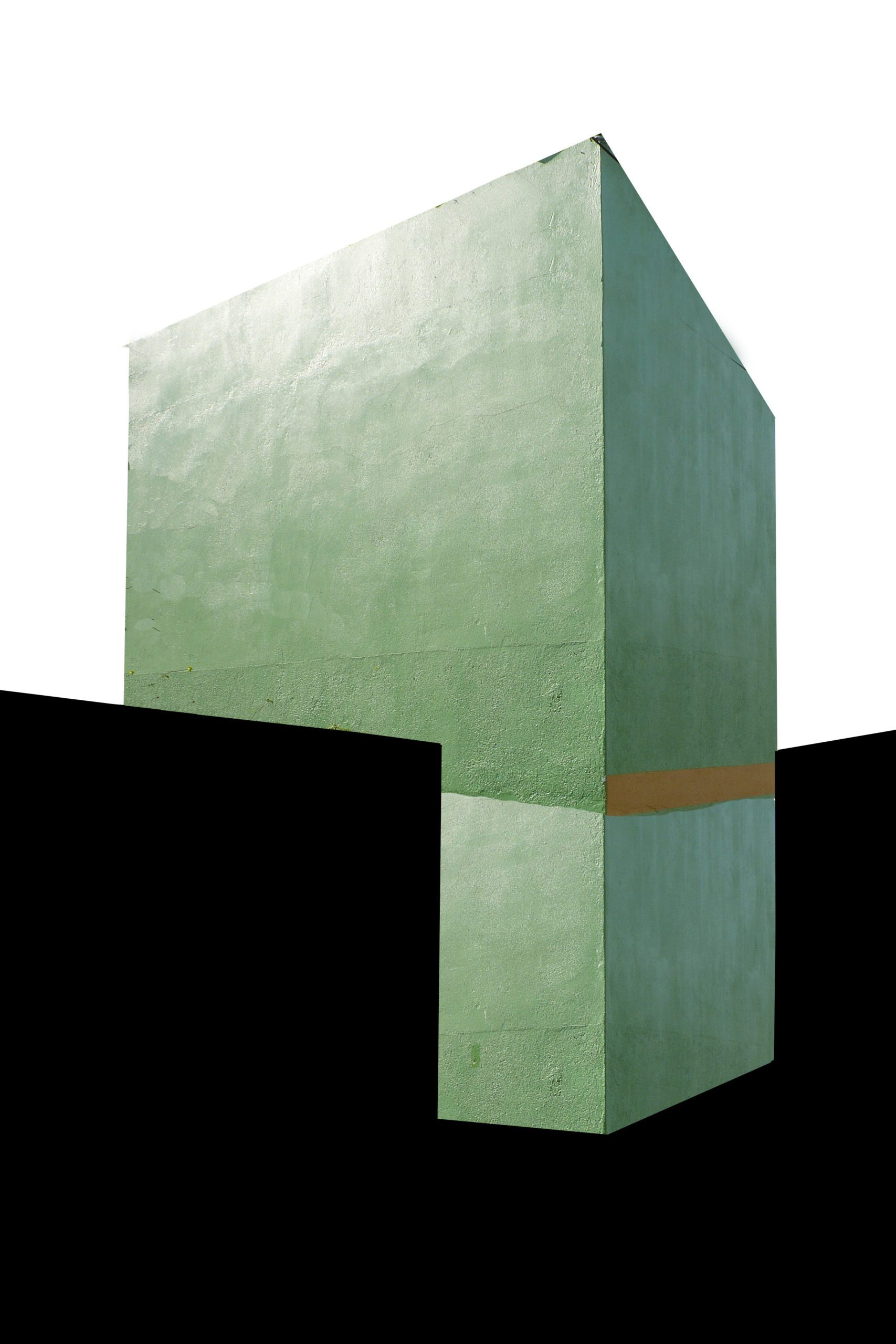
Nicolás Combarro
ST. Arquitectura Espontánea (collage color II)
2017
Color photography. Inkjet print on Hahnemühle paper
43 x 30 cm
Ed. 1/7
Nicolás Combarro
ST. Arquitectura Espontánea (collage color III)
2017
Color photography. Inkjet print on Hahnemühle paper
43 x 30 cm
Ed. 1/7
Nicolás Combarro
ST. Arquitectura Espontánea (fotografía I)
2017
Color photography. Inkjet print on Hahnemühle paper
30 x 43 cm
Ed. 1/7
Nicolás Combarro
ST. Arquitectura Espontánea (collage color I)
2017
Collage. Color photography and acrylic. Inkjet print on Hahnemühle paper
43 x 30 cm
Ed. 1/7
Nicolás Combarro
ST. Arquitectura Espontánea (croquis II)
Black ink and drawing on paper. B&W photogrpahy.
43 x 30 cm
Ed. 1/7
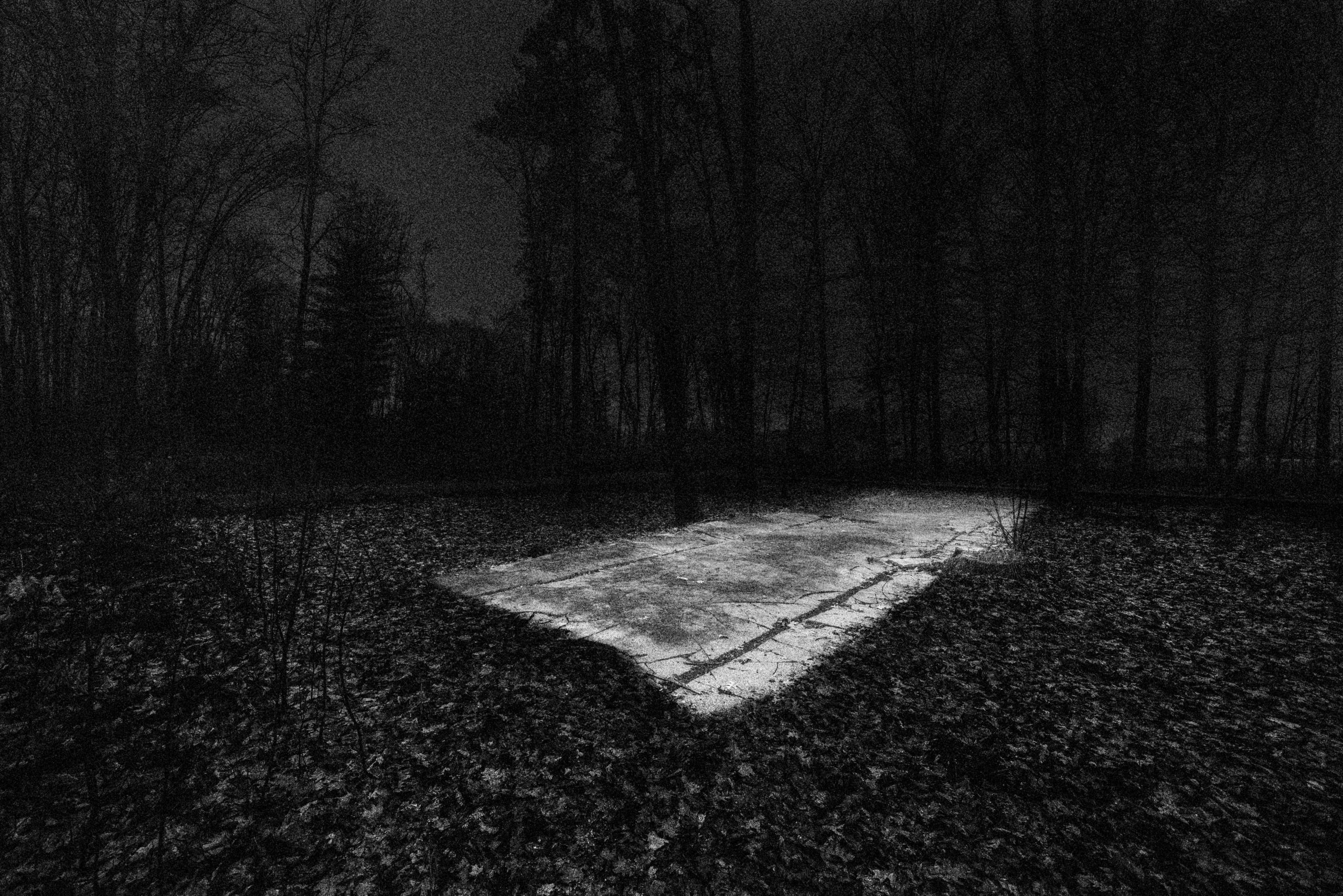
Nicolás Combarro
ST. La materia del silencio (campo internamiento de Gurs)
2024
B&W photography. Inkjet print on Hahnemühle paper
110 x 165 cm
Ed. 1/3
Nicolás Combarro (A Coruña, 1979)
Nicolás Combarro’s practice, as both researcher and artist, focuses on actions that establish formal, historical, and political analyses of architectural forms. His solo exhibitions include those held at the Maison Européenne de la Photographie (Paris), CGAC (Santiago de Compostela), MARCO (Vigo), Institut Français (Madrid), and OCEMX (Mexico City), as well as in galleries such as Solo Galerie (Paris), Galería Moriarty (Madrid), Kwanhoon Gallery (Seoul), Galería Taché (Bar celona), PABLO Gallery (Manila), and Nordés in Santiago de Compostela.
He has produced site-specific works for the I Manila Biennale (Philippines), Tabacalera (Madrid), Kreativquartier (Munich), the 42nd National Salon of Artists (Cartagena de Indias), and has parti cipated in the Spanish Pavilion at the 15th Venice Architecture Biennale, among others.
He has received grants and awards including a residency grant from the Royal Academy of Spain in Rome, the 20th Fotopress Grant from “la Caixa” Foundation, Laureate of the Cité Internationale des Arts in Paris, and the Saab Award for Best Exhibition at the Off Festival of PHotoESPAÑA. His publications include Interventions (RM), Architecture and Resistance (Editorial Cabeza de Chorlito), and Spontaneous Architecture (”la Caixa” Foundation). Since 2024, he has been the recipient of the Casa de Velázquez doctoral creation grant.
He is currently preparing a major solo exhibition at the University of Navarra Museum (Pamplona, 2026), curated by Marta Ramos-Yzquierdo, an institution with which he produced the series The Matter of Silence as part of its Tender Puentes program