

cs.exposing.2026.eng
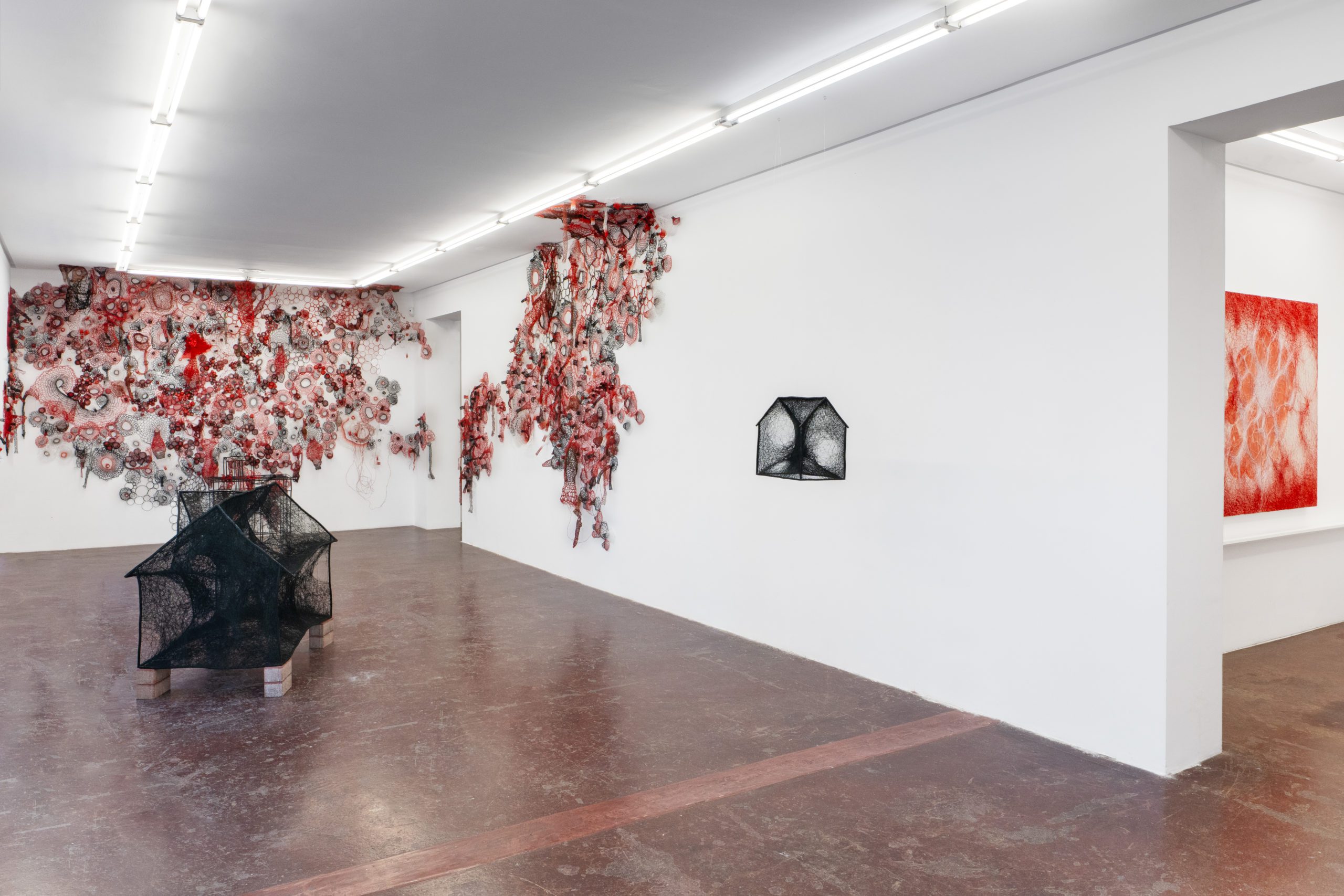
Chiharu Shiota
Exposing an Inner Universe
NF/NIEVES FERNÁNDEZ
2026
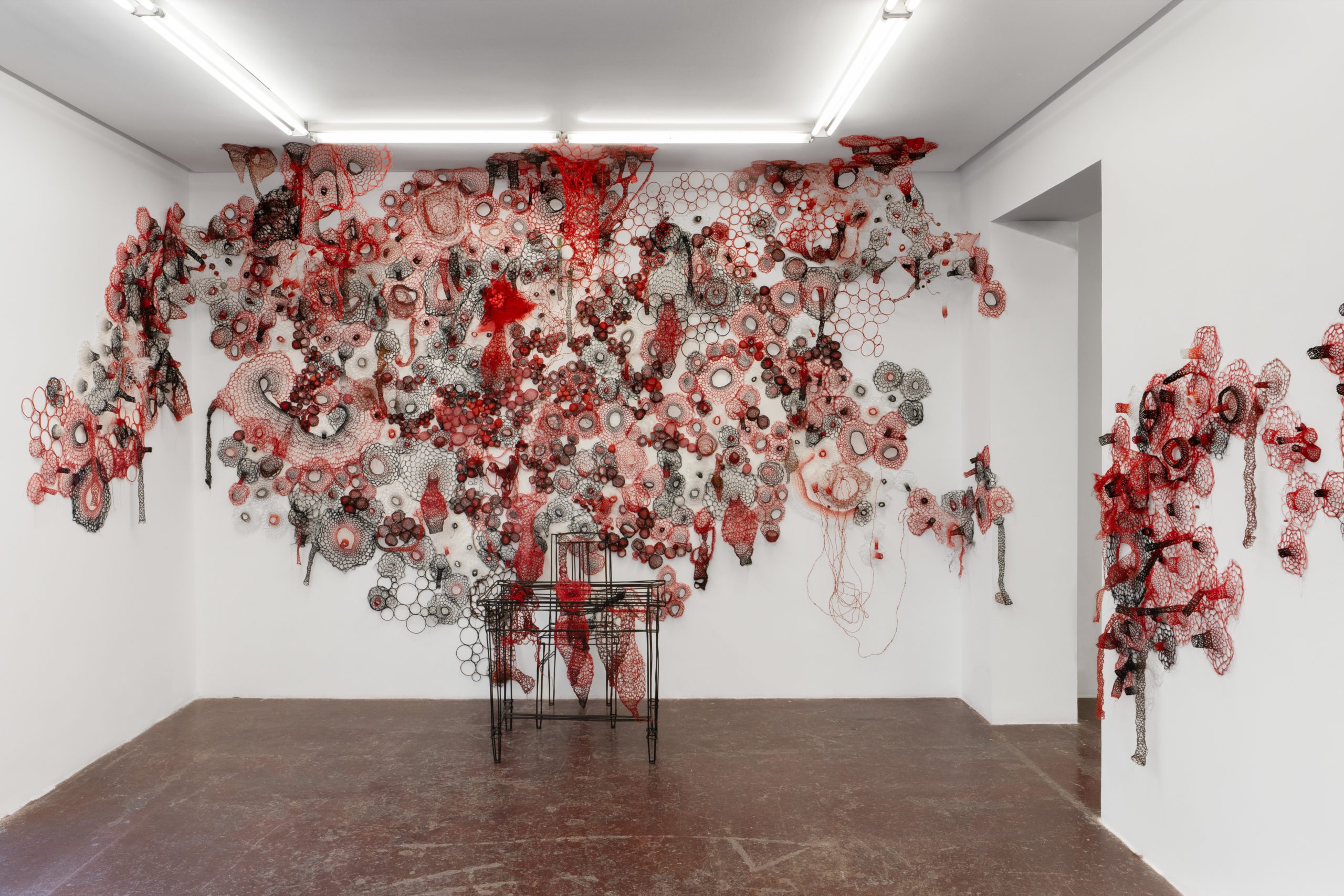
I imagine a person sitting at the table, writing or sketching. Their thoughts and feelings spilling out of their head, spreading from the table, moving up the wall, their imagination has no limits, forming a landscape of emotions that connects their inner world with the outside. The landscape is like its own universe, a different planet, organic yet alien. This inner universe seems vast and structured, full of complexity, unresolved conflicts, and hidden harmony. It represents who they truly are beyond social roles, nationality, culture, religion, and other constructs that seem natural like the shape of the wire, but at the same time restricts their true self.
This universe cannot be fully known by others. No matter how close we are: parents, friends, partners, or neighbors, we never completely know what someone else is thinking or feeling. Some emotions are too complex for words.
Like the wire shaped into organic forms, the exposed self may appear gentle or natural but remains hard and tough. Revealing one’s inner universe is an act of courage, it means giving up control over how others hold our deepest reality. There is no guarantee they will understand.
Allowing others to see the most private parts of ourselves can be terrifying. Exposure can lead to misunderstanding or judgment. An inner universe that seems vast and complex may be simplified, labeled, or distorted to fit someone else’s expectations or experiences. Sharing these feelings is meant to create connection, but can instead lead us to withdraw.
I want to reveal what is often left unsaid even if it is difficult and terrifying. Creating art means to me to express what words cannot and to reveal parts of myself that are even hidden from myself. In the end, what I reveal is open to interpretation and judgment and has no true answer.
Art is a journey into the mind, forcing people who are exposed to it to push forward into their unconsciousness to confront the unseen and the unknown. By facing these hidden parts of ourselves, art makes us see things in new ways, helps us understand ourselves and the world better, and makes us more aware. It reveals truths and inspires change, connecting our inner thoughts with the world around us and linking our personal experiences to something larger.
– Chiharu Shiota
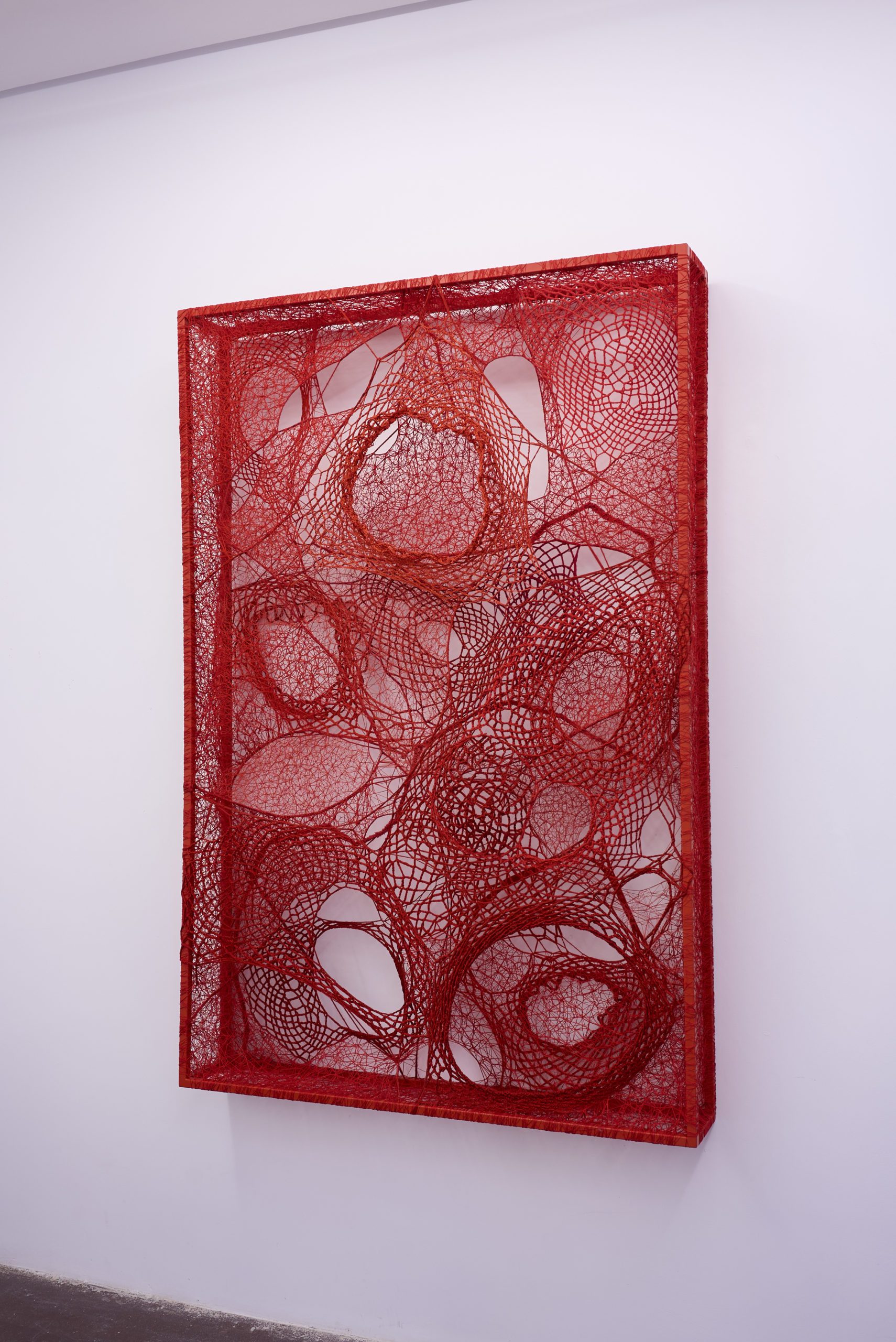
Chiharu Shiota
State of Being
2025
Metal frame, thread
180 x 120 x 20 cm
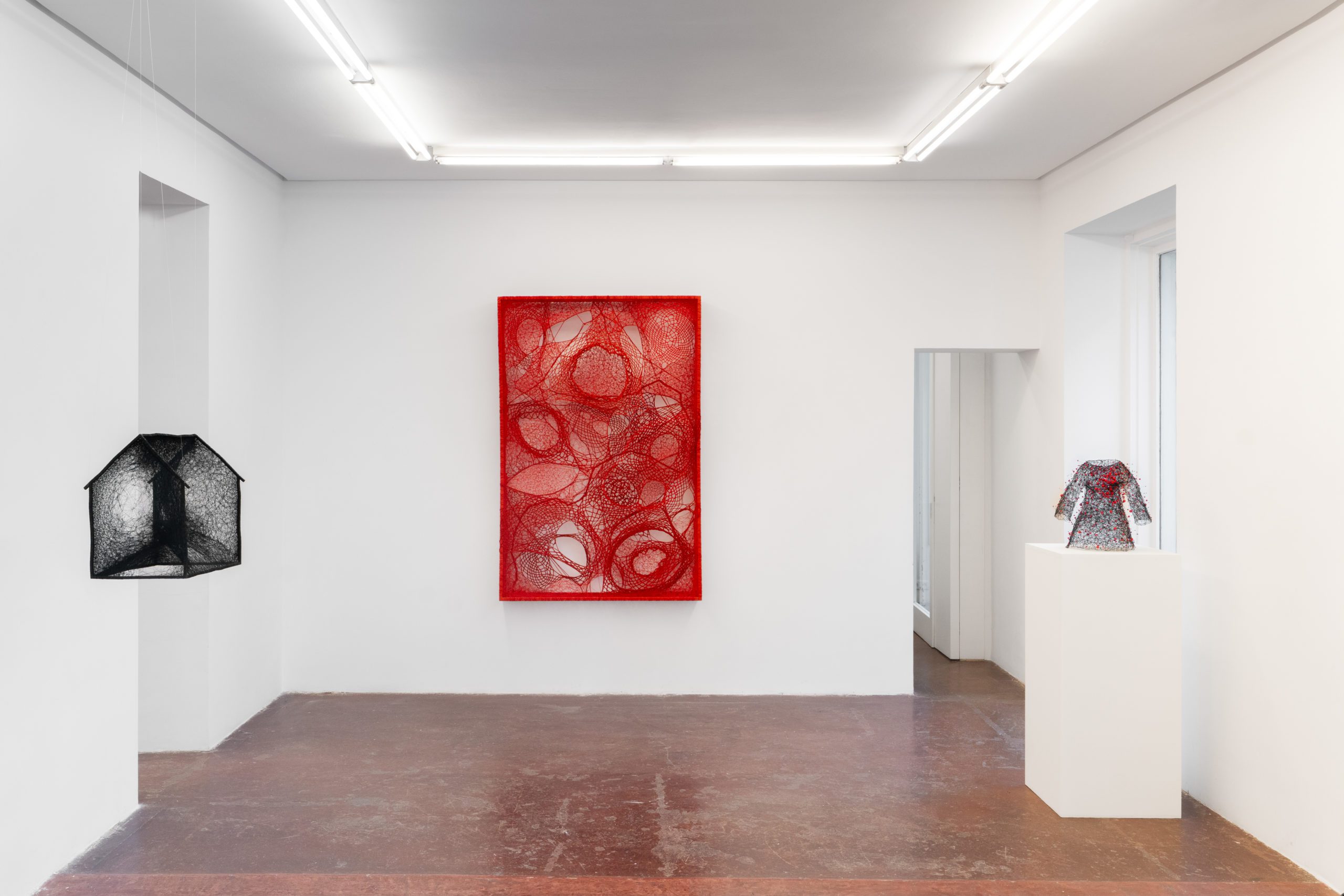
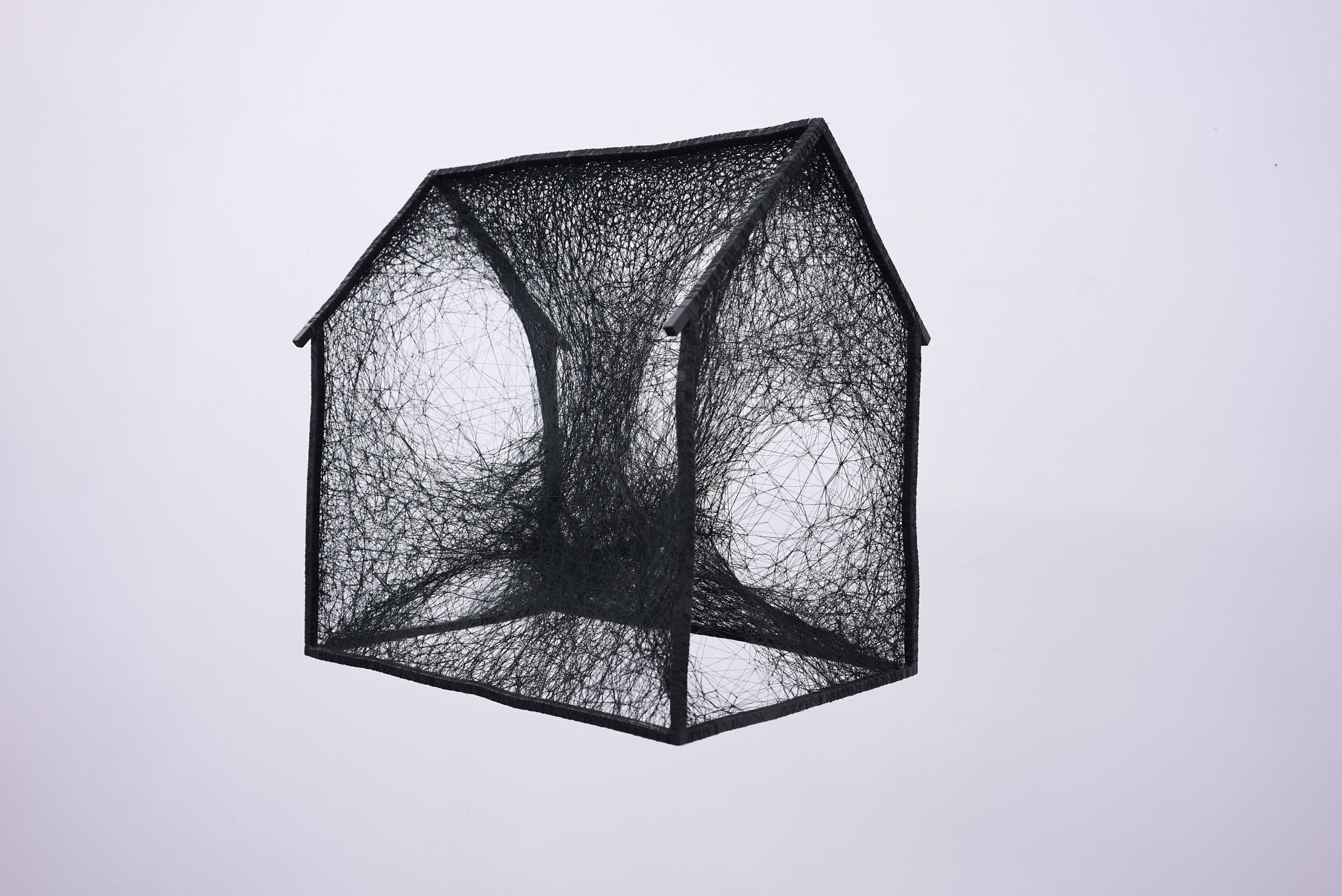
Chiharu Shiota
Strange Home
2026
Metal frame, thread
42 x 42 x 39 cm
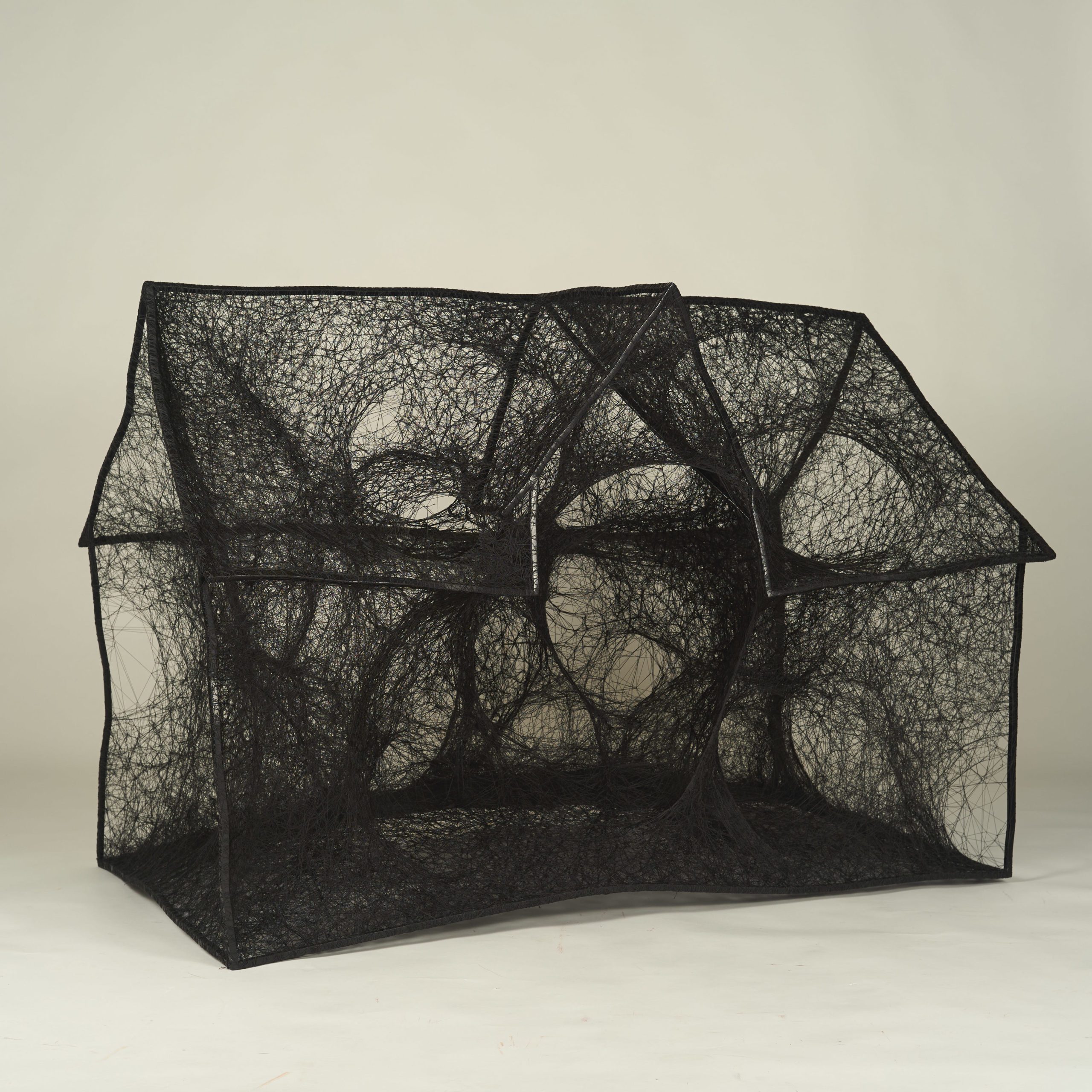
Chiharu Shiota
Strange Home
2026
Metal frame, thread
100 x 80 x 130 cm
Chiharu Shiota
Japan, 1972
Heir of Ana Mendieta and a whole generation of feminist artists form the early 70’s, Shiota works with her body as an intervention space, realizing performances that deal with our link with the earth, the past and the memory.
Well known for her installations with thread as main material, her symmetric tangles captivate the spectator at first sight, creating feelings that go between safety and fear, fascination and ugliness, while awakening memories, and both absence and existence as philosophical matters.
The presence and absence of her body is the thread running through her work, and ultimately is what makes it possible to understand her confrontation with the question of defining the artwork, the artistic subject and the public, the interior and exterior space.
In Shiota’s philosophy the true artwork is created only when the expectations for familiar artistic forms of expression are abandoned in favor of a perception of things that get by without any attributions of meaning.
She has exhibited at institutions such as Gropius Bau, Mori Art Museum, Jameel Art Centre, Gottesborg Museum, The Art Gallery of South Australia, Louisiana Museum, Kiasma, Hayward Gallery, Fundación Sorigué, Palazzo Reale Milano, The Museum of Kyoto, Maison Rouge, MONA Museum, and Mattress Factory, among others.
She represented Japan at the 56th edition of the Venice Biennale. Additionally, she has designed the scenography for the opera Matsukaze alongside Sasha Waltz and for Tristan and Isolde at KielTeater.
Her work is part of collections such as the National Museum of Modern Art, Tokyo, Fundación Sorigué, Centre Georges Pompidou, and Kiasma, among others.
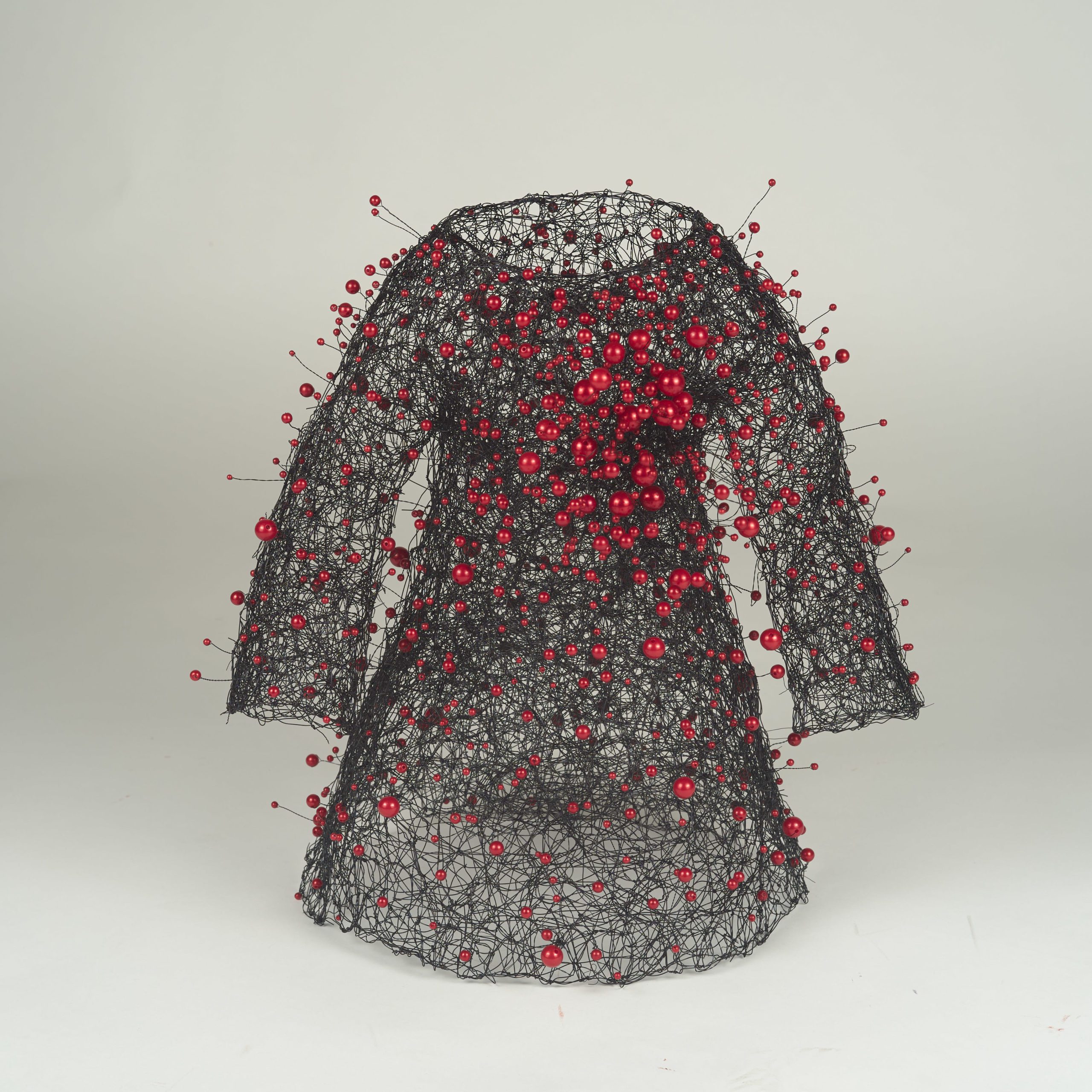
Chiharu Shiota
Extension of Body
2026
Mixed media
40 x 39 x 27 cm
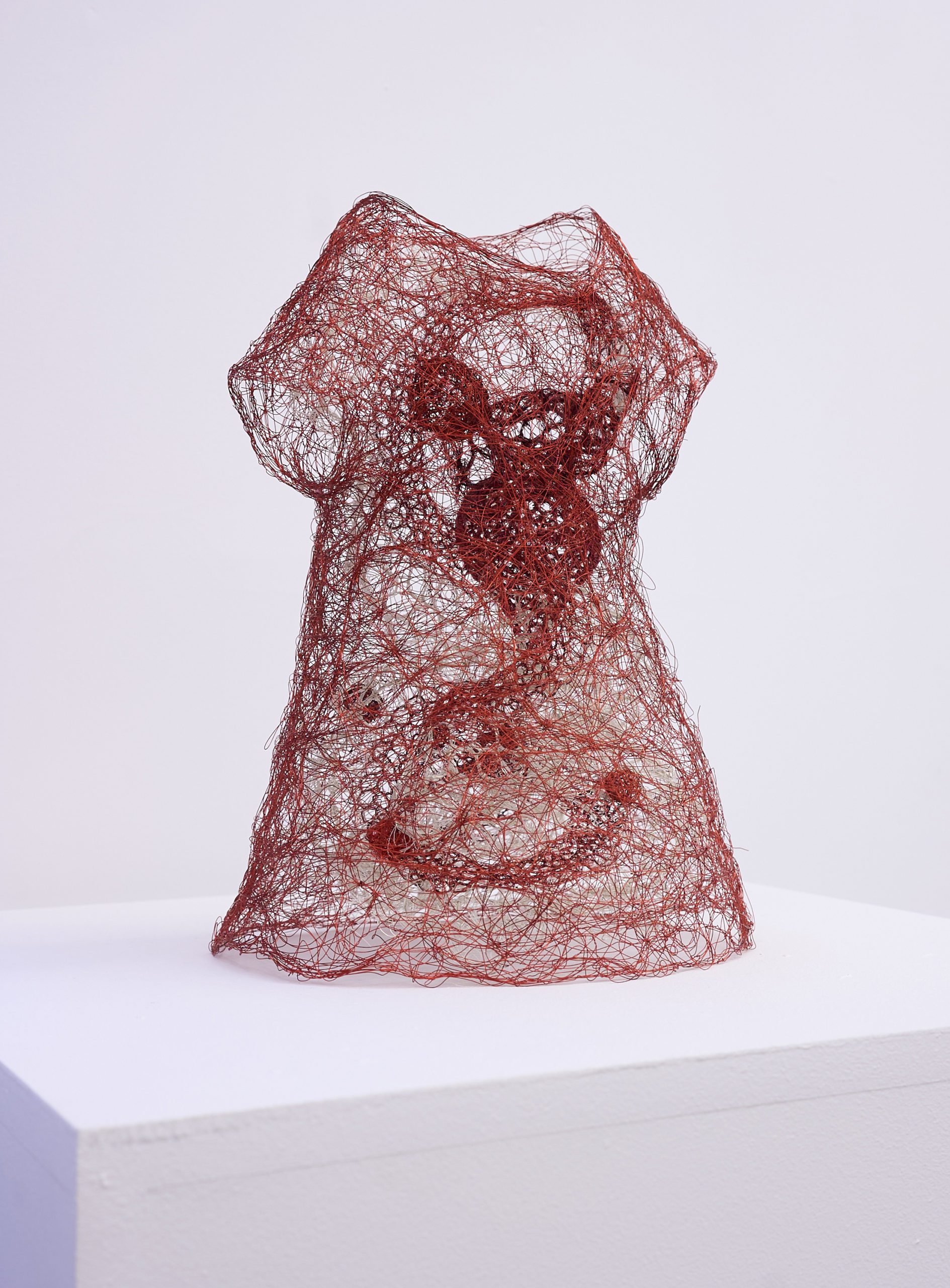
Chiharu Shiota
Extension of Body CSS 260326
2026
Mixed media
35 x 24 x 22 cm
On hold
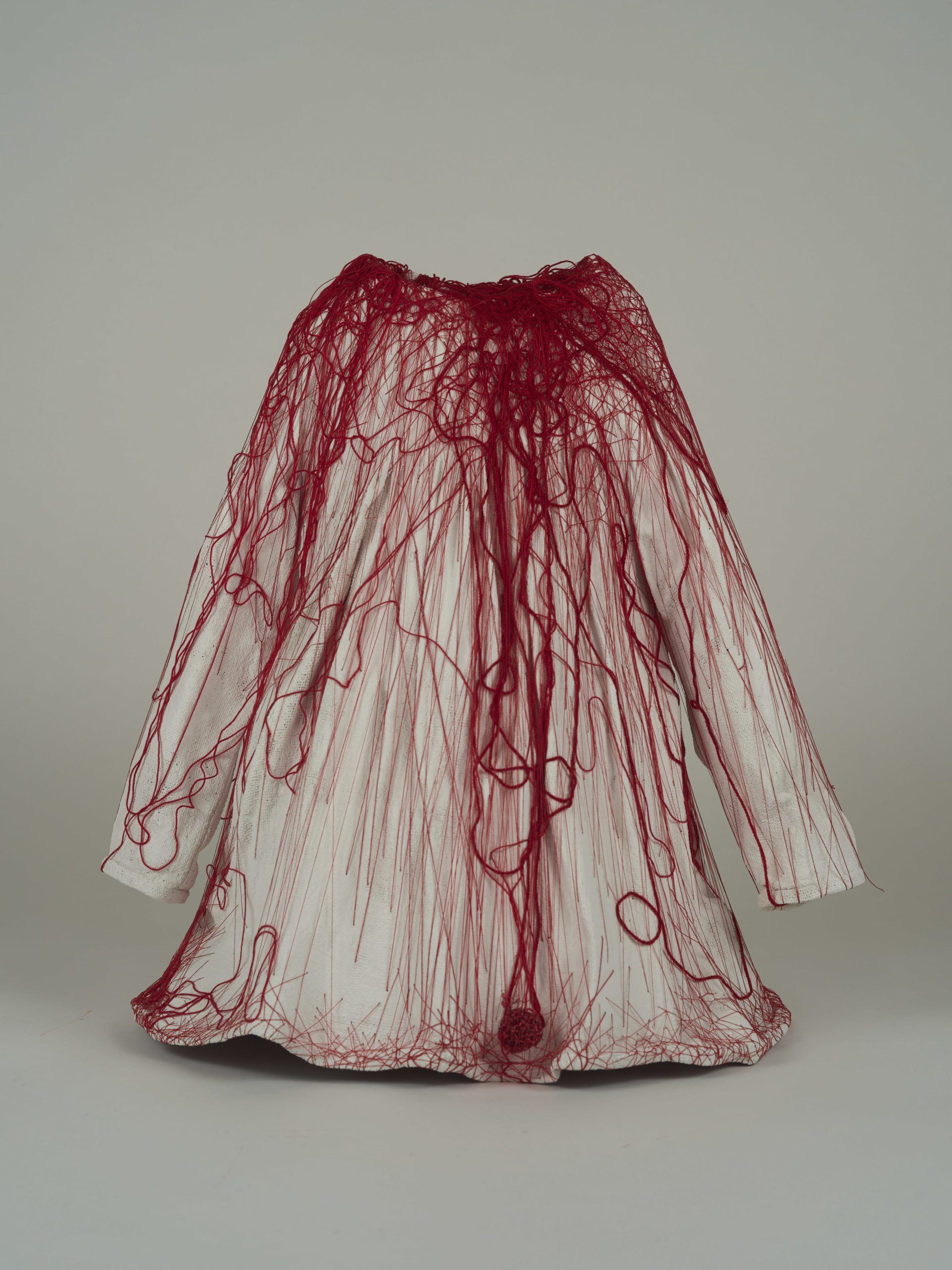
Chiharu Shiota
Extension of Body
2026
Mixed media
46.5 x 44 x 36 cm
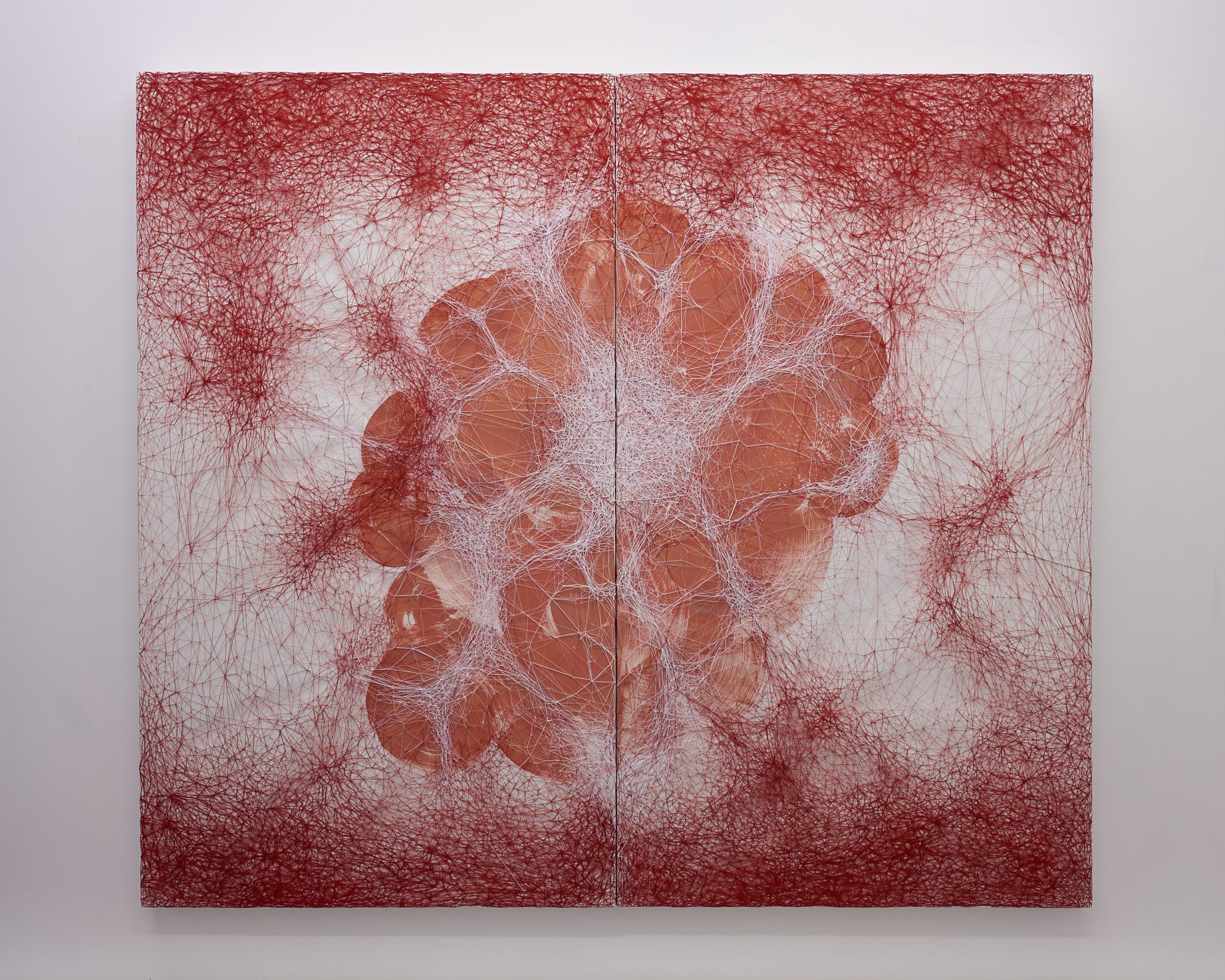
Chiharu Shiota
Endless Line
2026
Thread and paint on canvas
140 x 80 x 3 cm
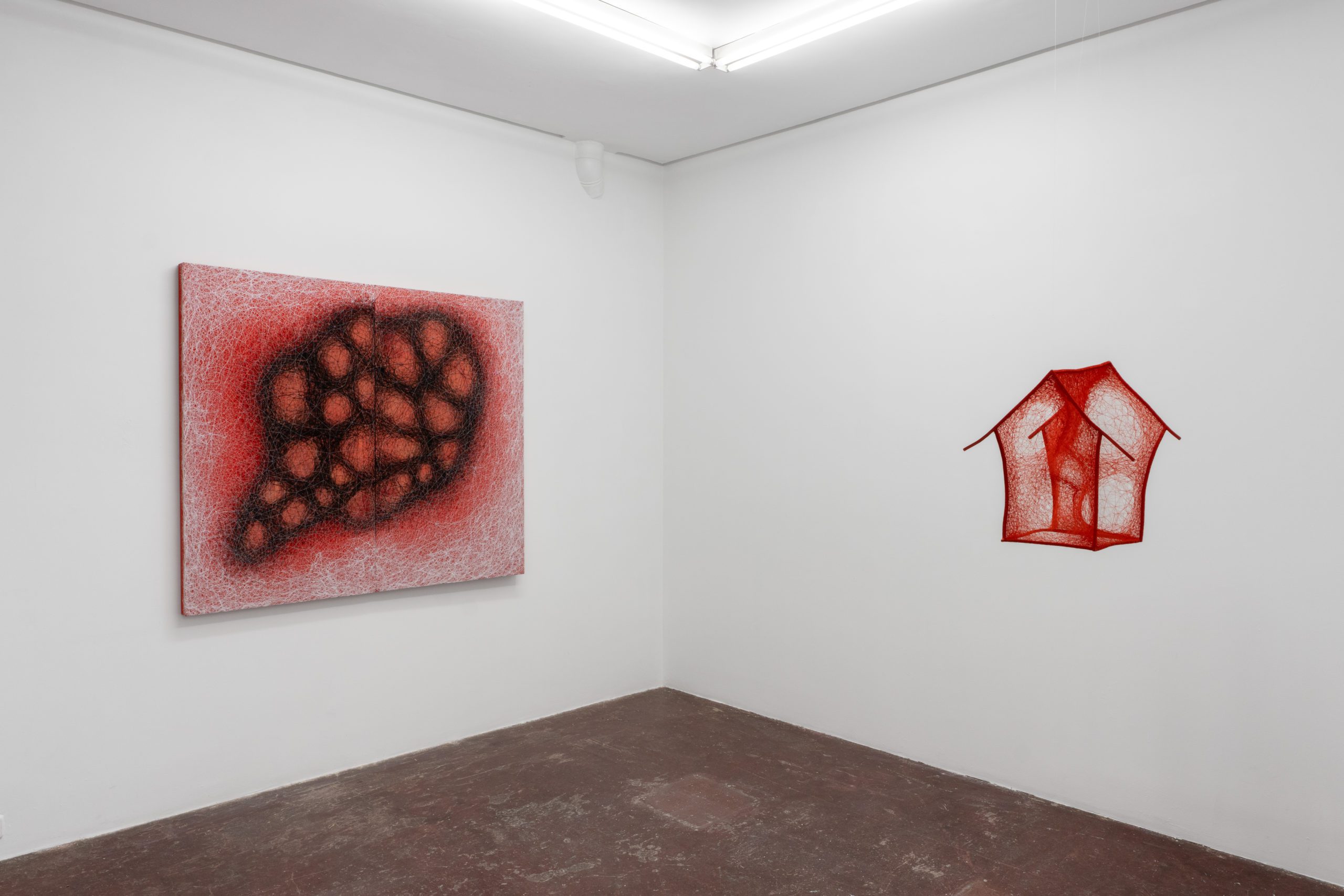
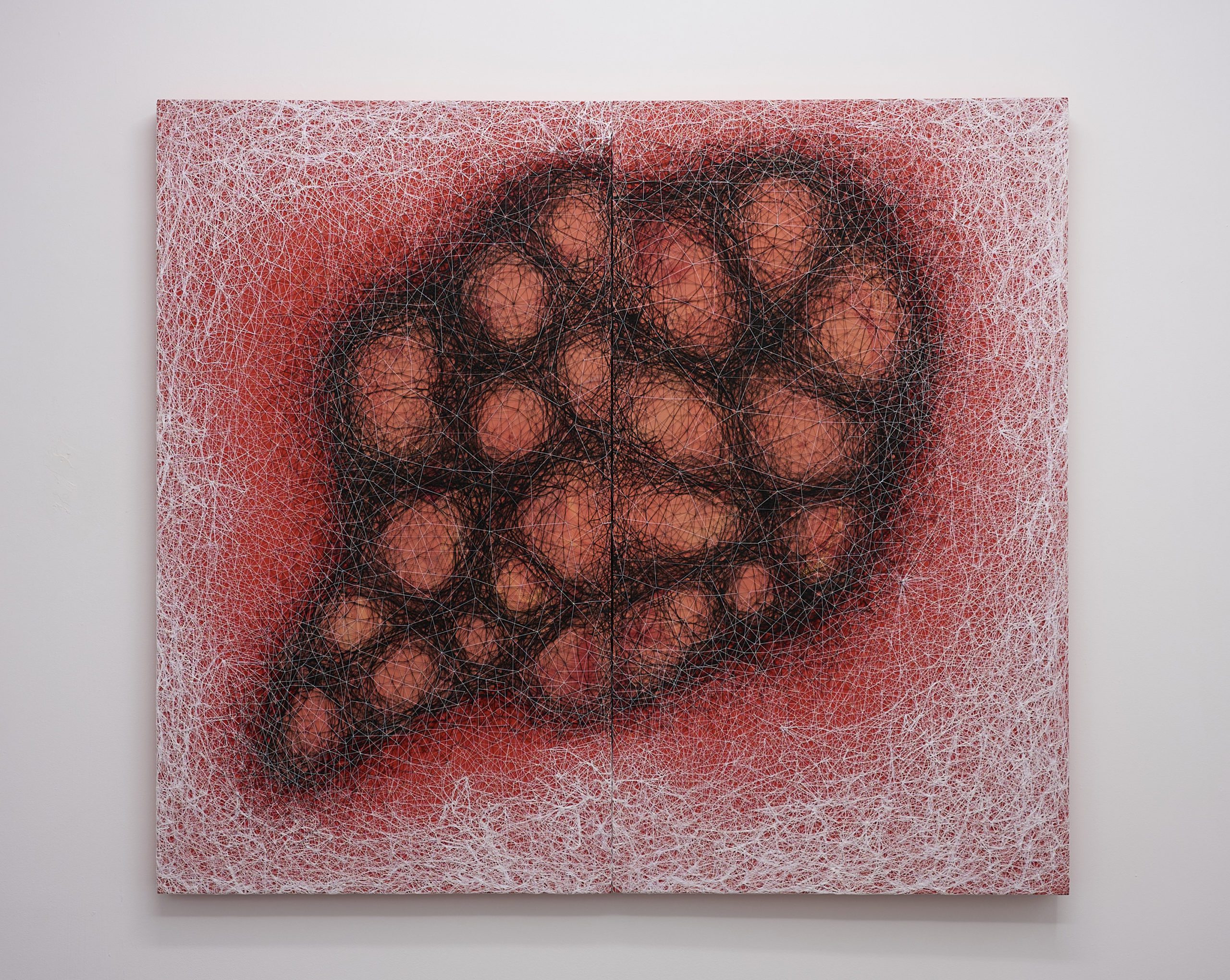
Chiharu Shiota
Endless Line
2026
Thread and paint on canvas
140 x 80 x 3 cm
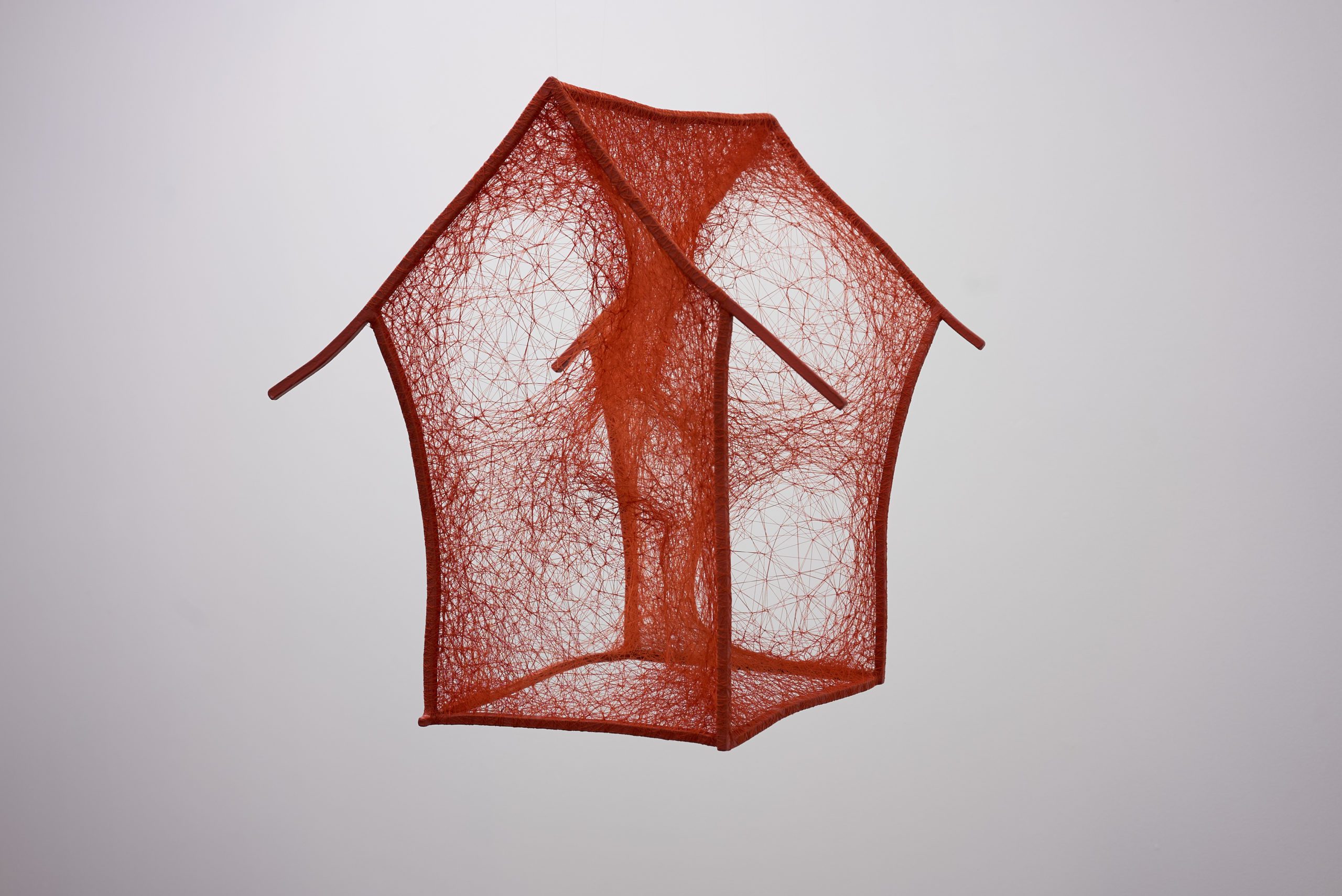
Chiharu Shiota
Strange Home
2026
Metal frame, thread
54 x 33 x 28 cm
Sold. Private collection, Spain
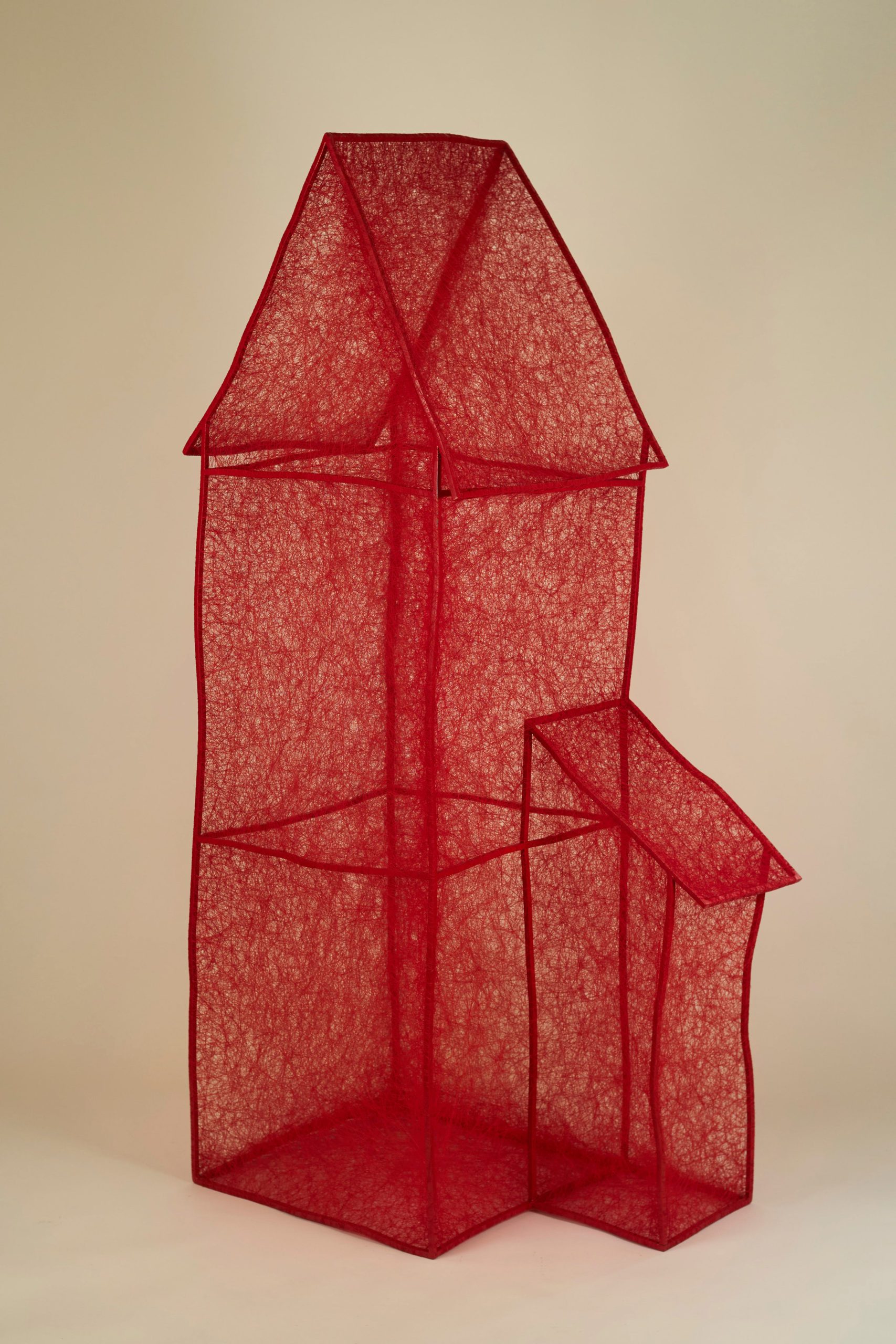
Chiharu Shiota
Strange Home
2026
Metal frame, thread
180 x 80 x 54 cm
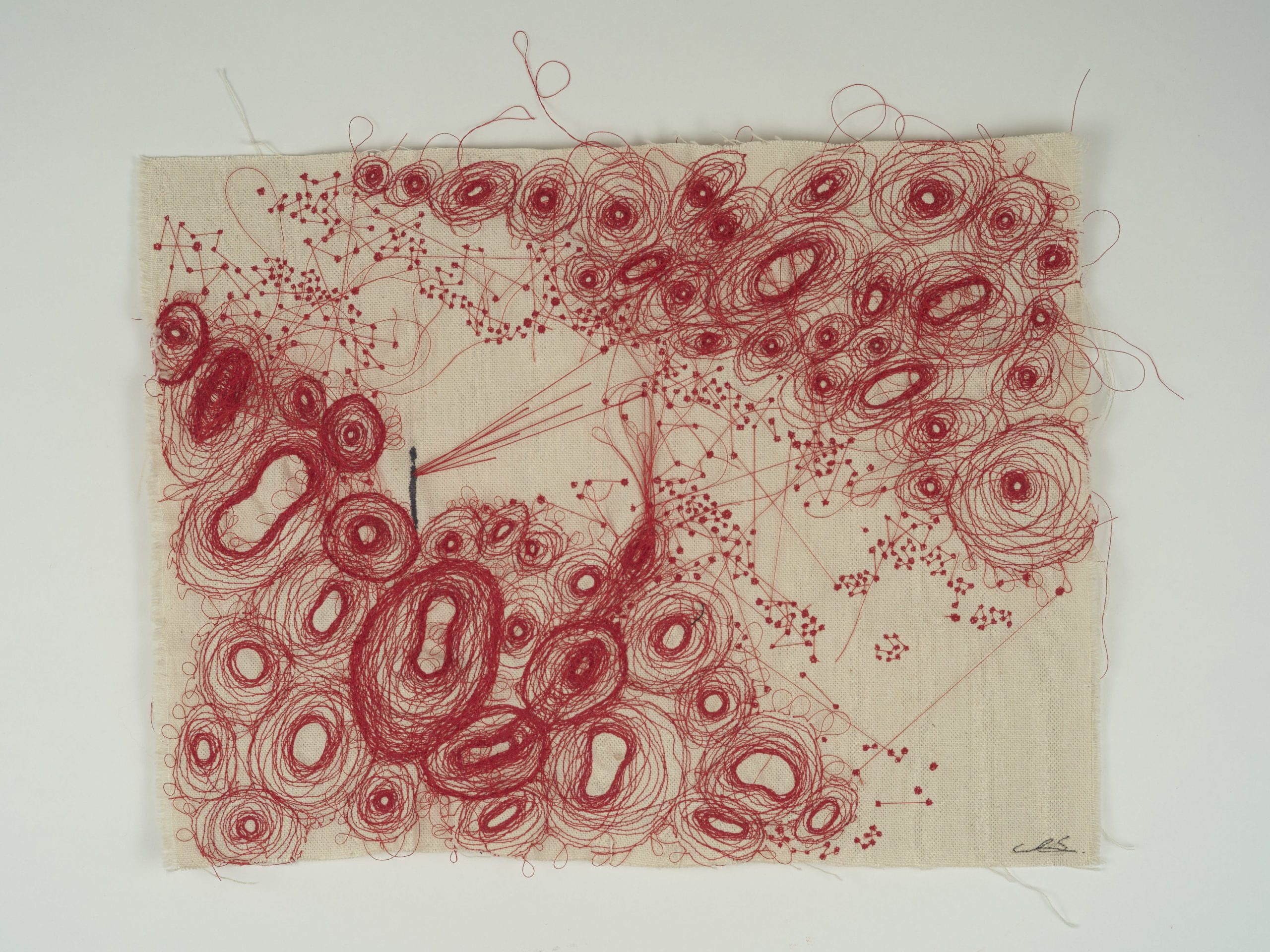
Chiharu Shiota
Connected to the Universe
2026
Thread on canvas
29.5 x 38 cm
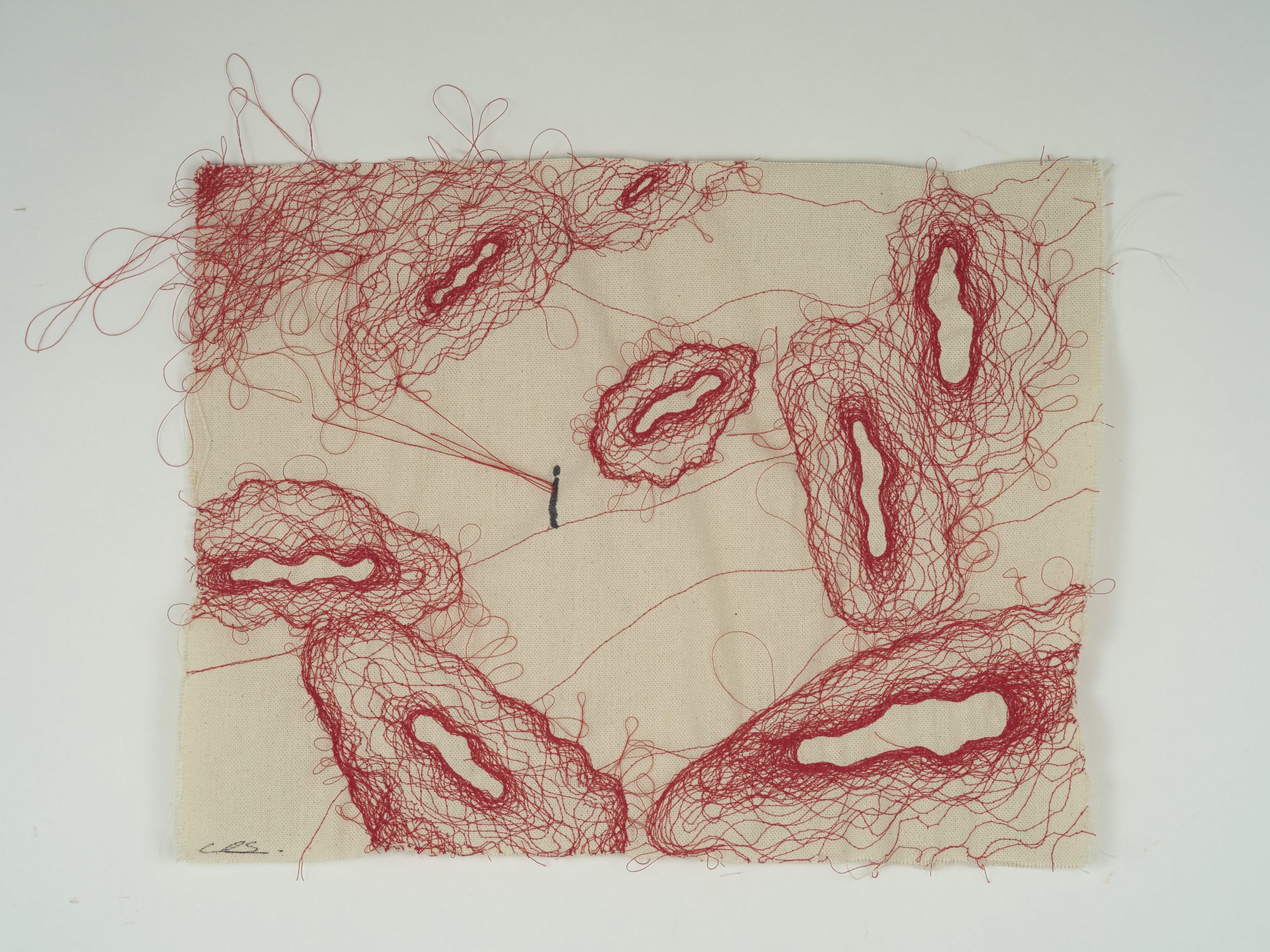
Chiharu Shiota
Connected to the Universe
2026
Thread on canvas
29.5 x 38 cm
Sold. Private collection, Germany
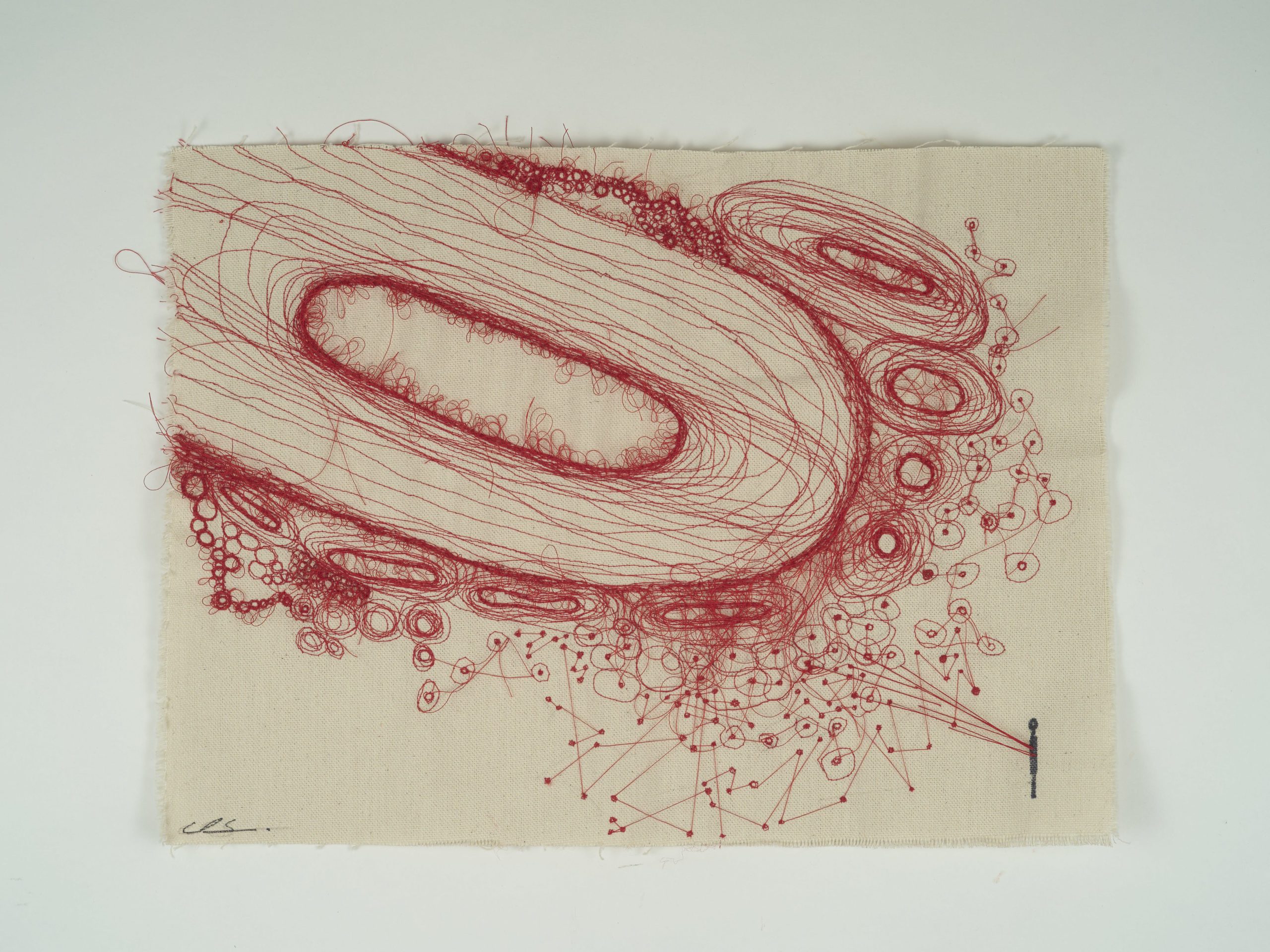
Chiharu Shiota
Connected to the Universe
2026
Thread on canvas
29.5 x 40 cm
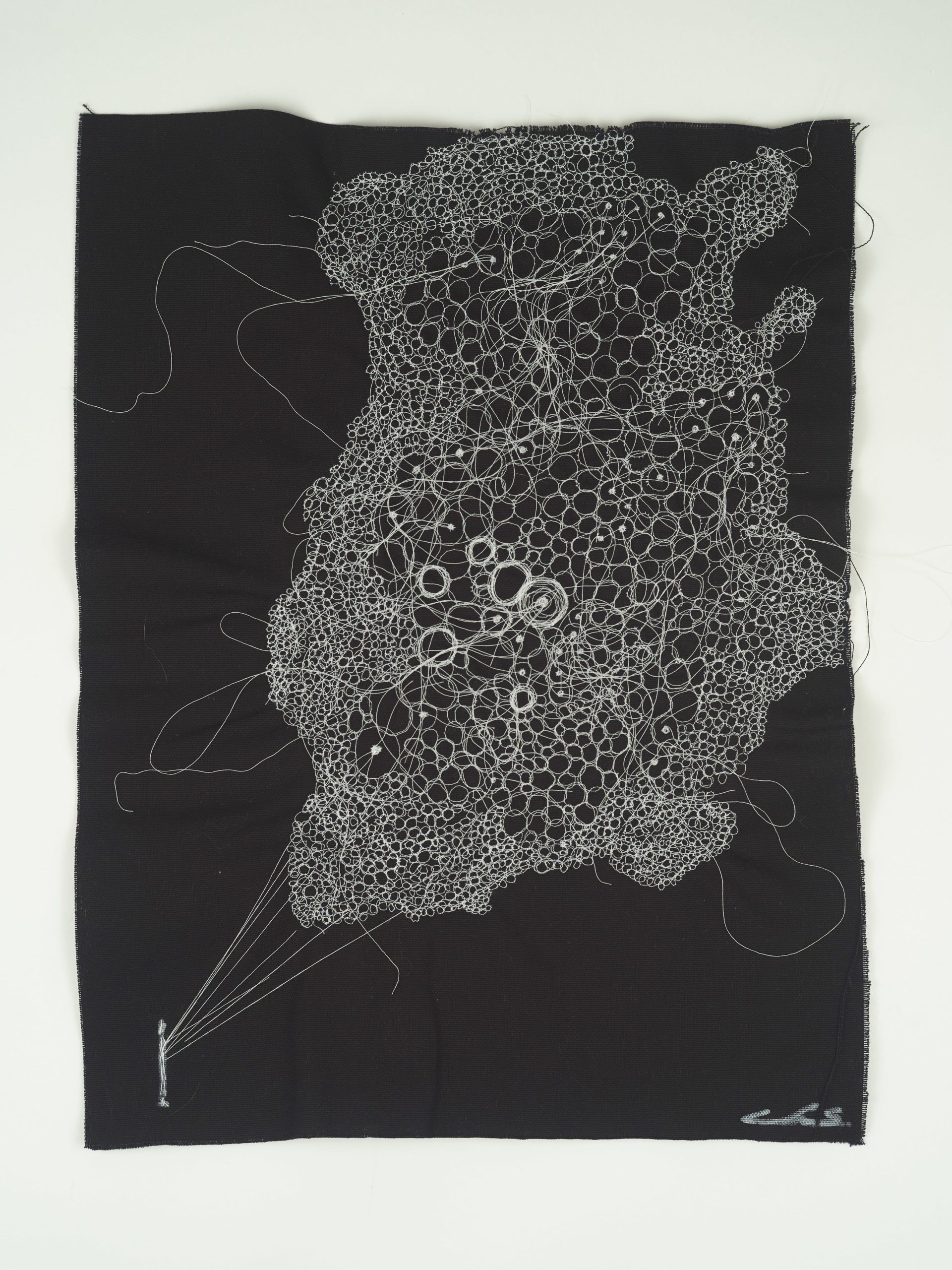
Chiharu Shiota
Connected to the Universe
2026
Thread on canvas
46 x 34 cm
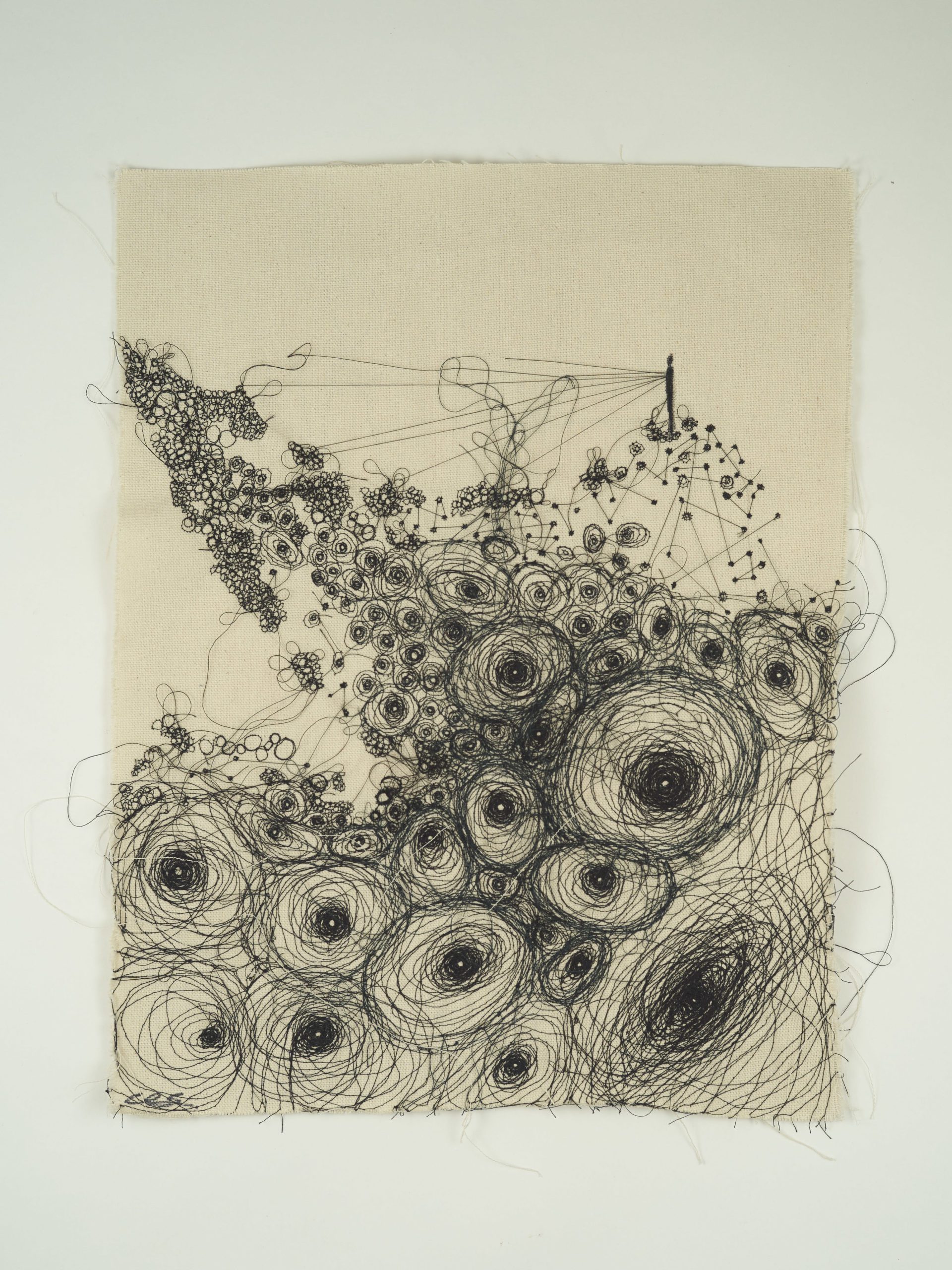
Chiharu Shiota
Connected to the Universe
2026
Thread on canvas
47 x 36 cm
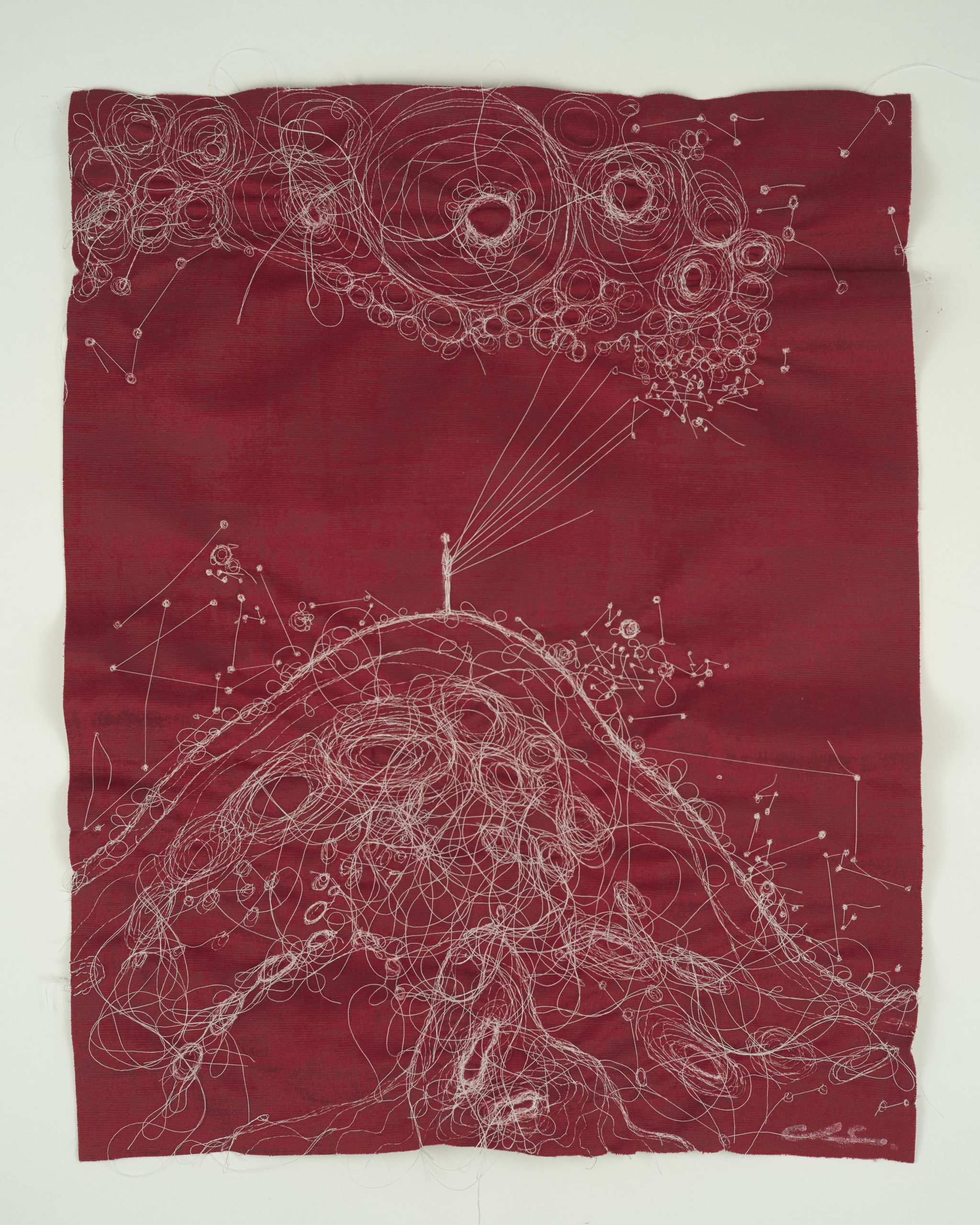
Chiharu Shiota
Connected to the Universe
2026
Thread on canvas
44.5 x 35 cm
Sold. Private collection
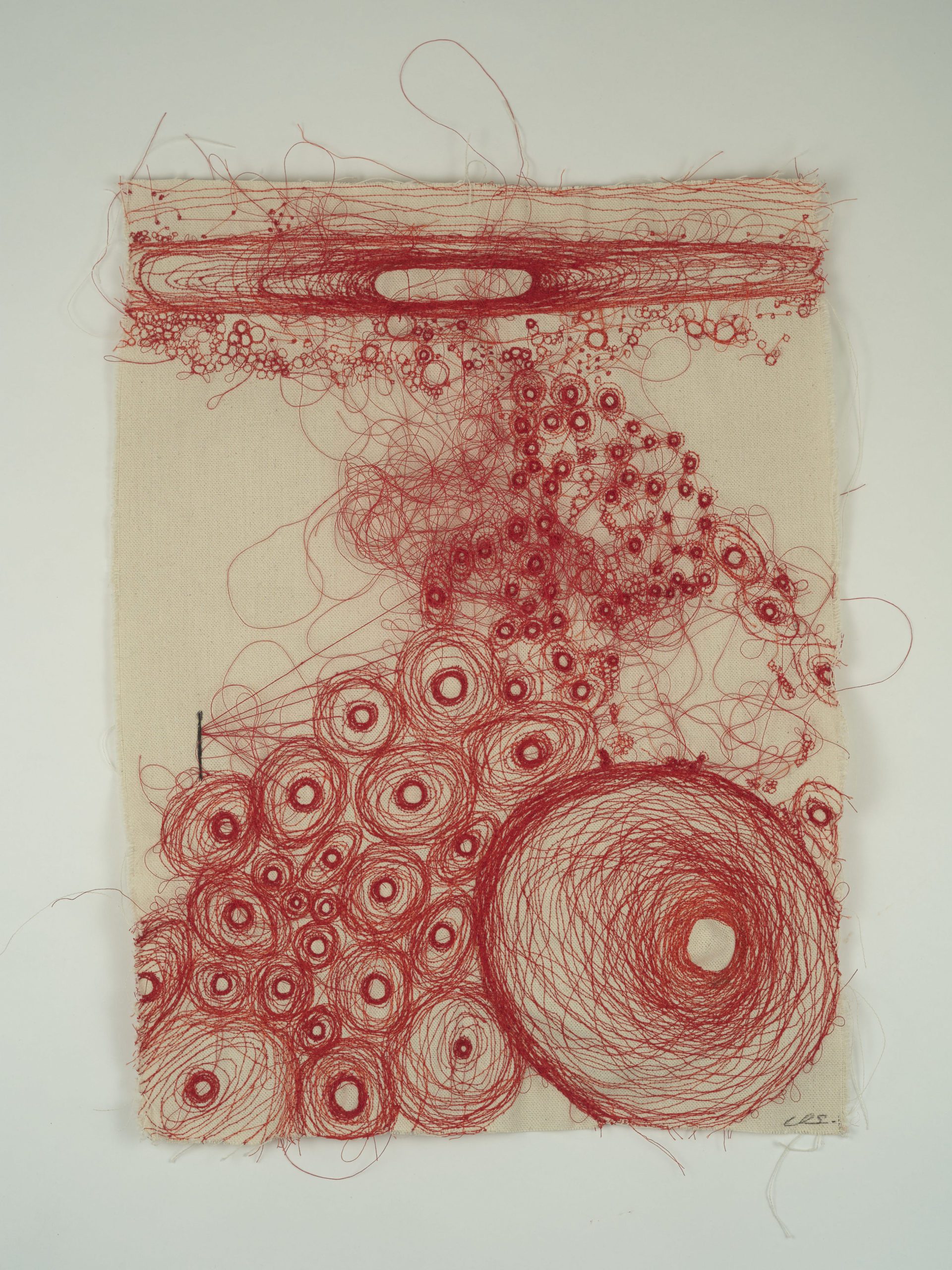
Chiharu Shiota
Connected to the Universe
2026
Thread on canvas
44.5 x 35 cm
Sold. Private collection
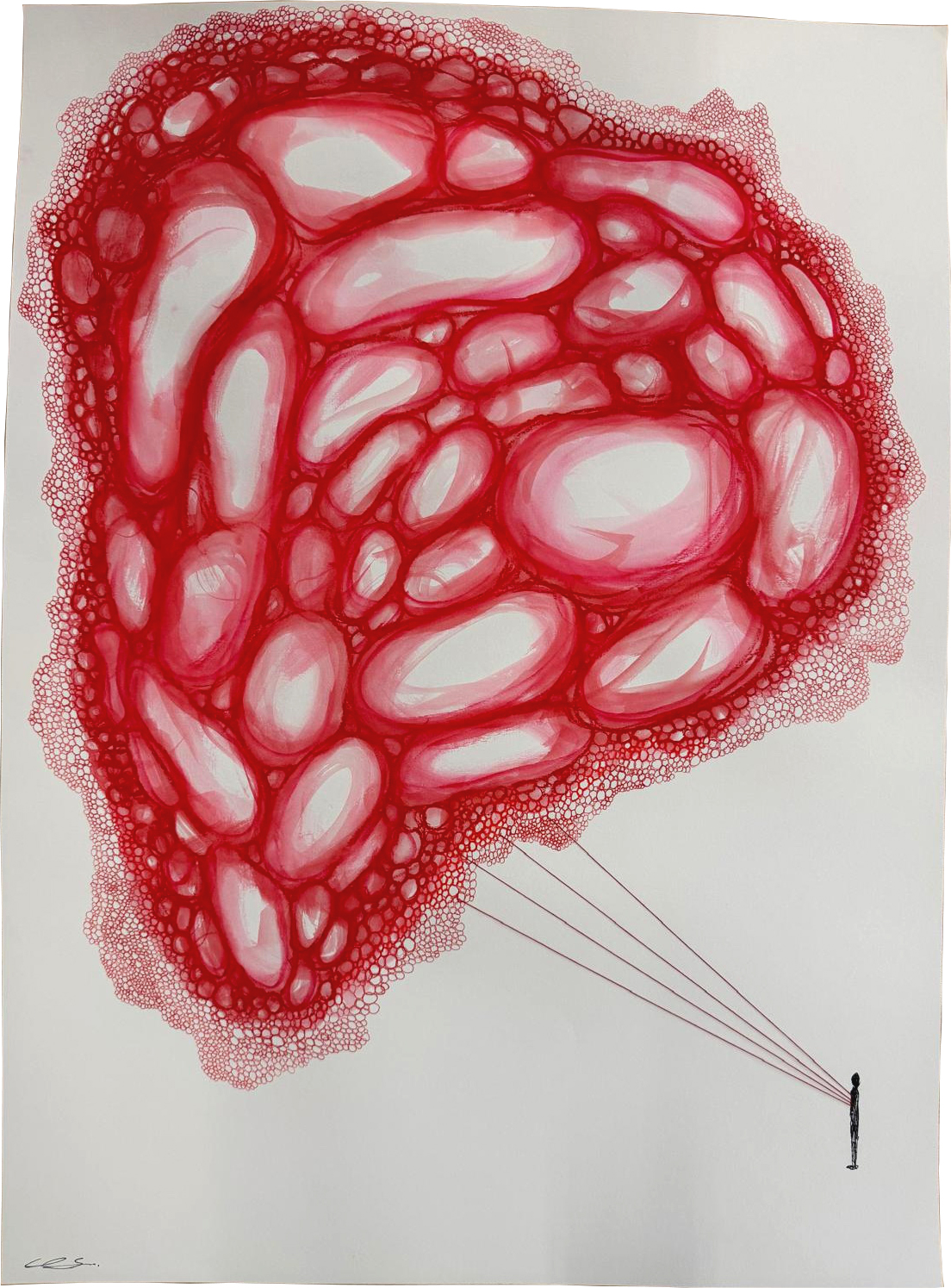
Chiharu Shiota
Connected to the Universe
2026
Pastel, ink, and thread on paper
76 x 56 cm
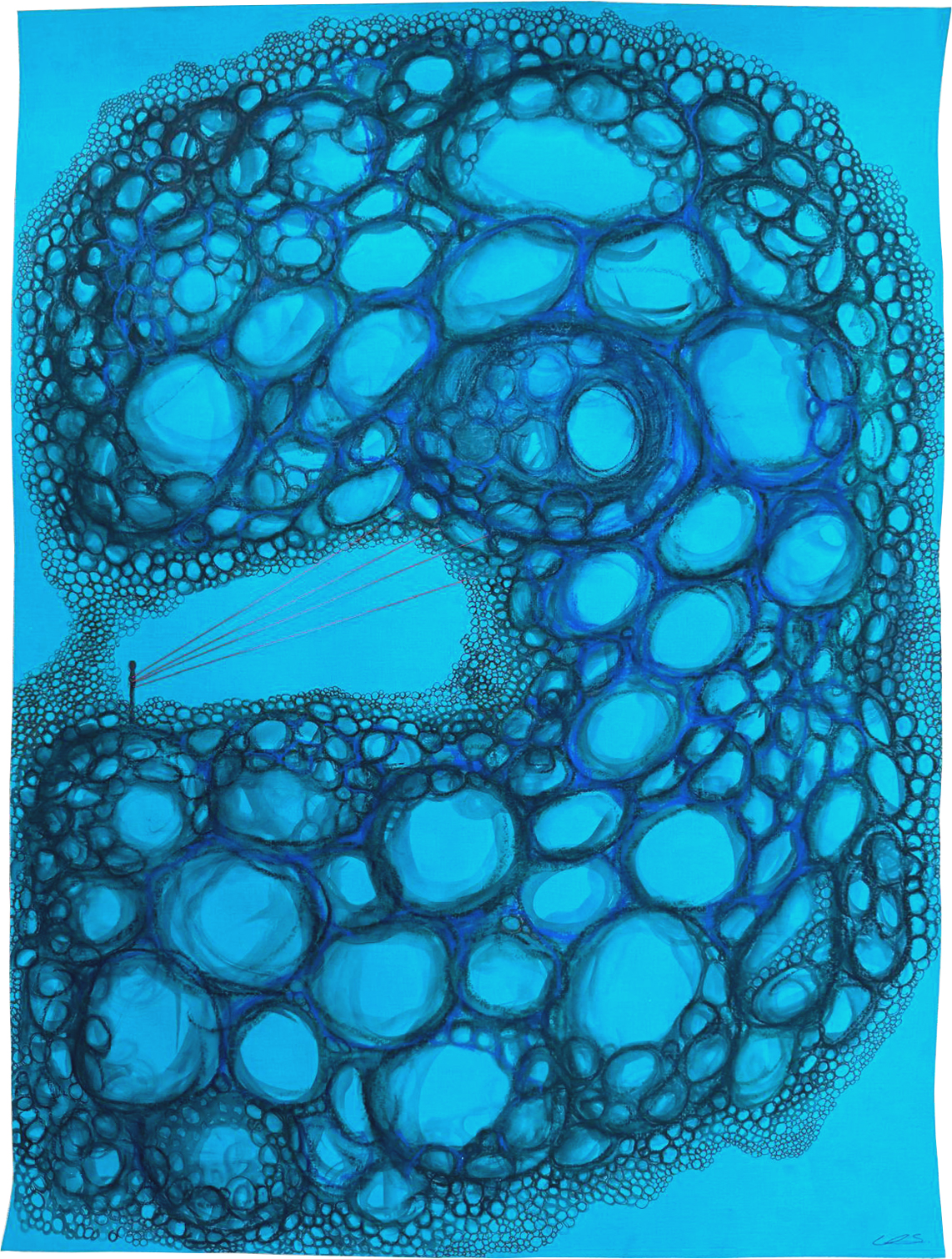
Chiharu Shiota
Connected to the Universe
2026
Pastel, ink, and thread on paper
76 x 56 cm
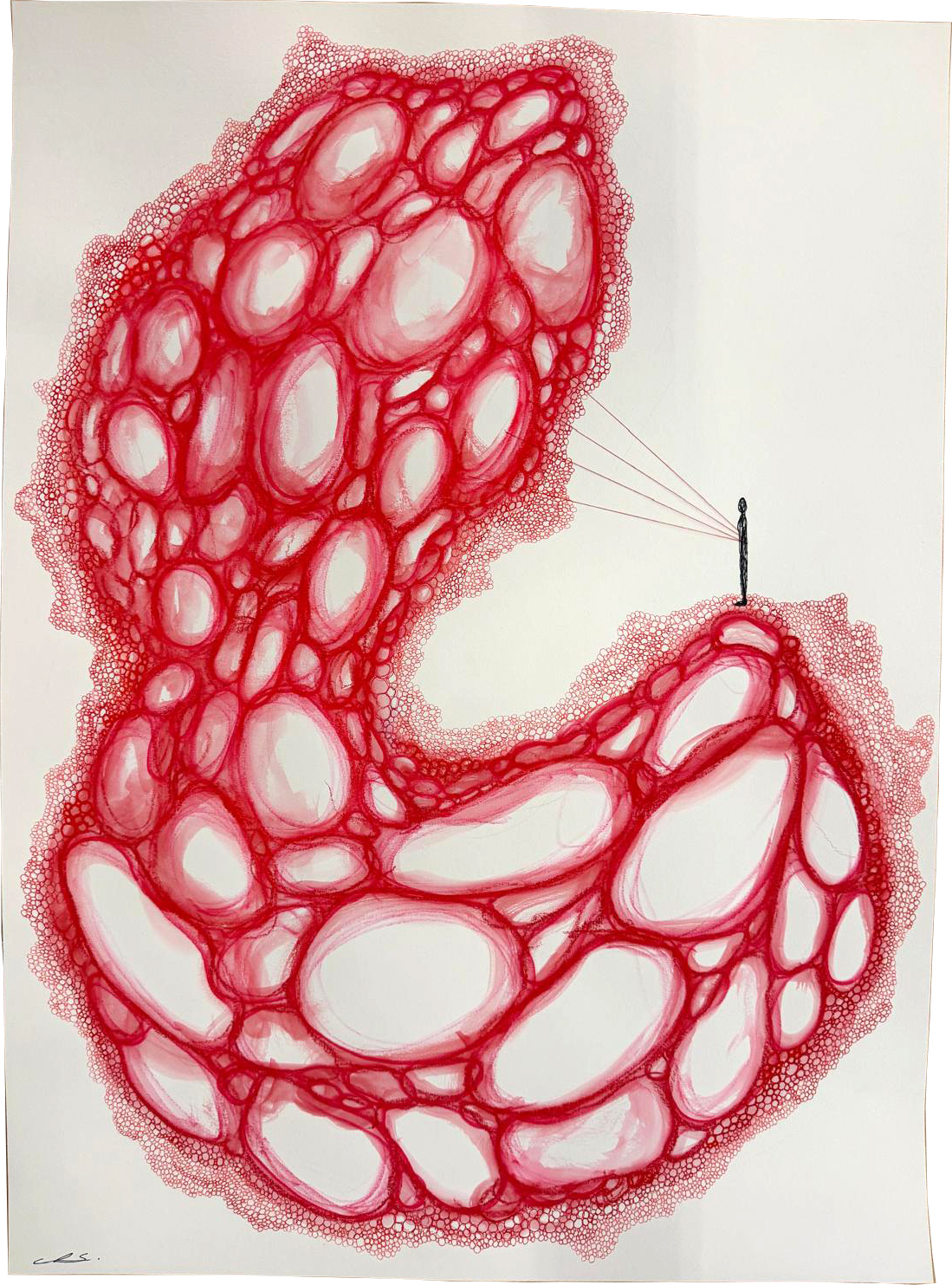
Chiharu Shiota
Connected to the Universe
2026
Pastel, ink, and thread on paper
76 x 56 cm
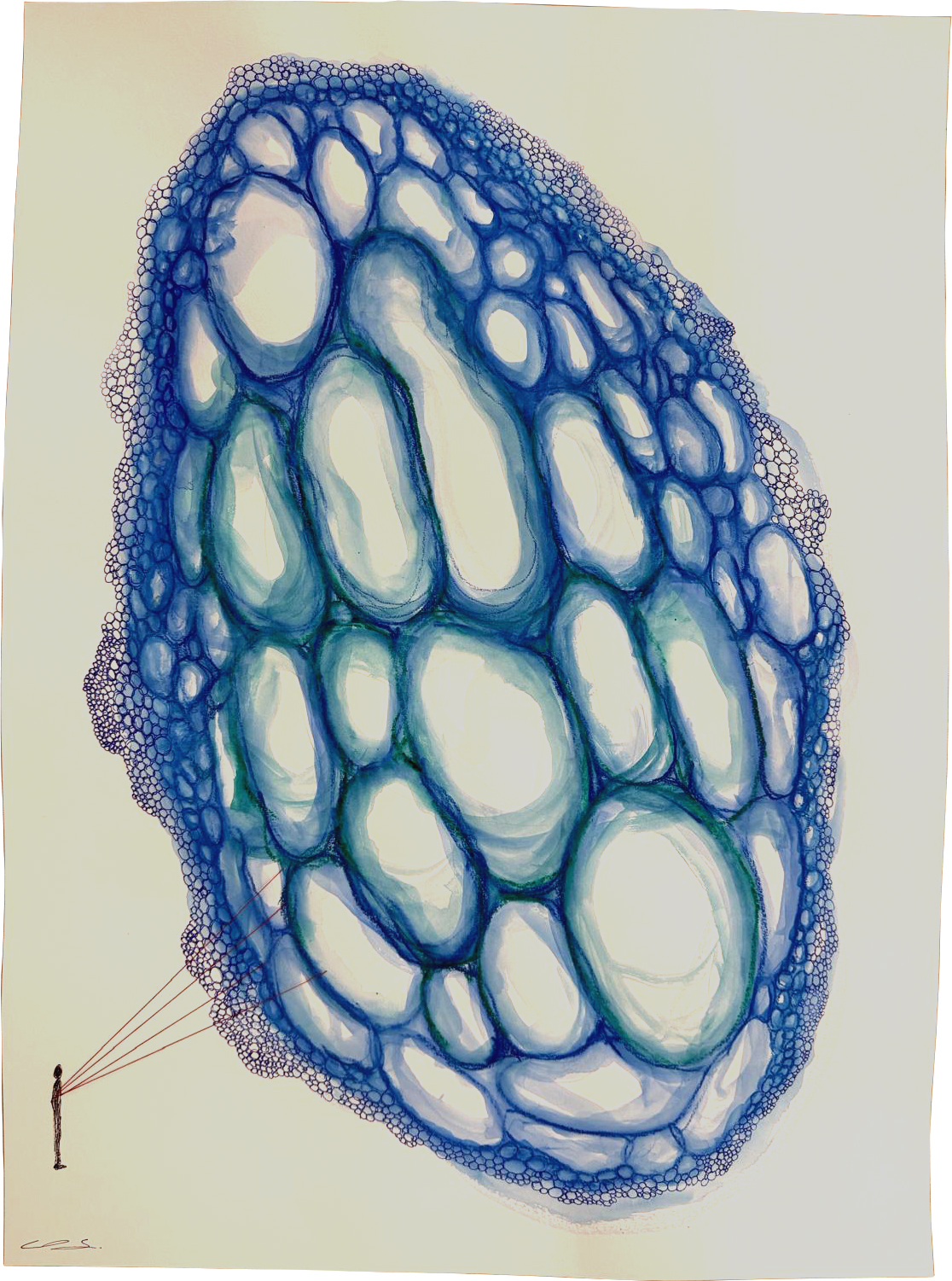
Chiharu Shiota
Connected to the Universe
2026
Pastel, ink, and thread on paper
76 x 56 cm