
arco2026.en
Chiharu Shiota
Japan, 1972
Heir of Ana Mendieta and a whole generation of feminist artists form the early 70’s, Shiota works with her body as an intervention space, realizing performances that deal with our link with the earth, the past and the memory.
Well known for her installations with thread as main material, her symmetric tangles captivate the spectator at first sight, creating feelings that go between safety and fear, fascination and ugliness, while awakening memories, and both absence and existence as philosophical matters.
The presence and absence of her body is the thread running through her work, and ultimately is what makes it possible to understand her confrontation with the question of defining the artwork, the artistic subject and the public, the interior and exterior space.
In Shiota’s philosophy the true artwork is created only when the expectations for familiar artistic forms of expression are abandoned in favor of a perception of things that get by without any attributions of meaning.
She has exhibited at institutions such as Gropius Bau, Mori Art Museum, Jameel Art Centre, Gottesborg Museum, The Art Gallery of South Australia, Louisiana Museum, Kiasma, Hayward Gallery, Fundación Sorigué, Palazzo Reale Milano, The Museum of Kyoto, Maison Rouge, MONA Museum, and Mattress Factory, among others.
She has held solo exhibitions at the Hayward Gallery, London; the Mori Art Museum, Tokyo; the Grand Palais, Paris; the Maison Rouge; the Louisiana Museum of Modern Art; and LACMA, Los Angeles, among others. She represented Japan at the 56th Venice Biennale.
Her work is included in the collections of the Centre Pompidou, Paris; the National Museum of Art, Tokyo; the Museum of Contemporary Art Kiasma, Helsinki; the Hoffmann Collection, Berlin; and the Fundació Sorigué, Lleida, among others.
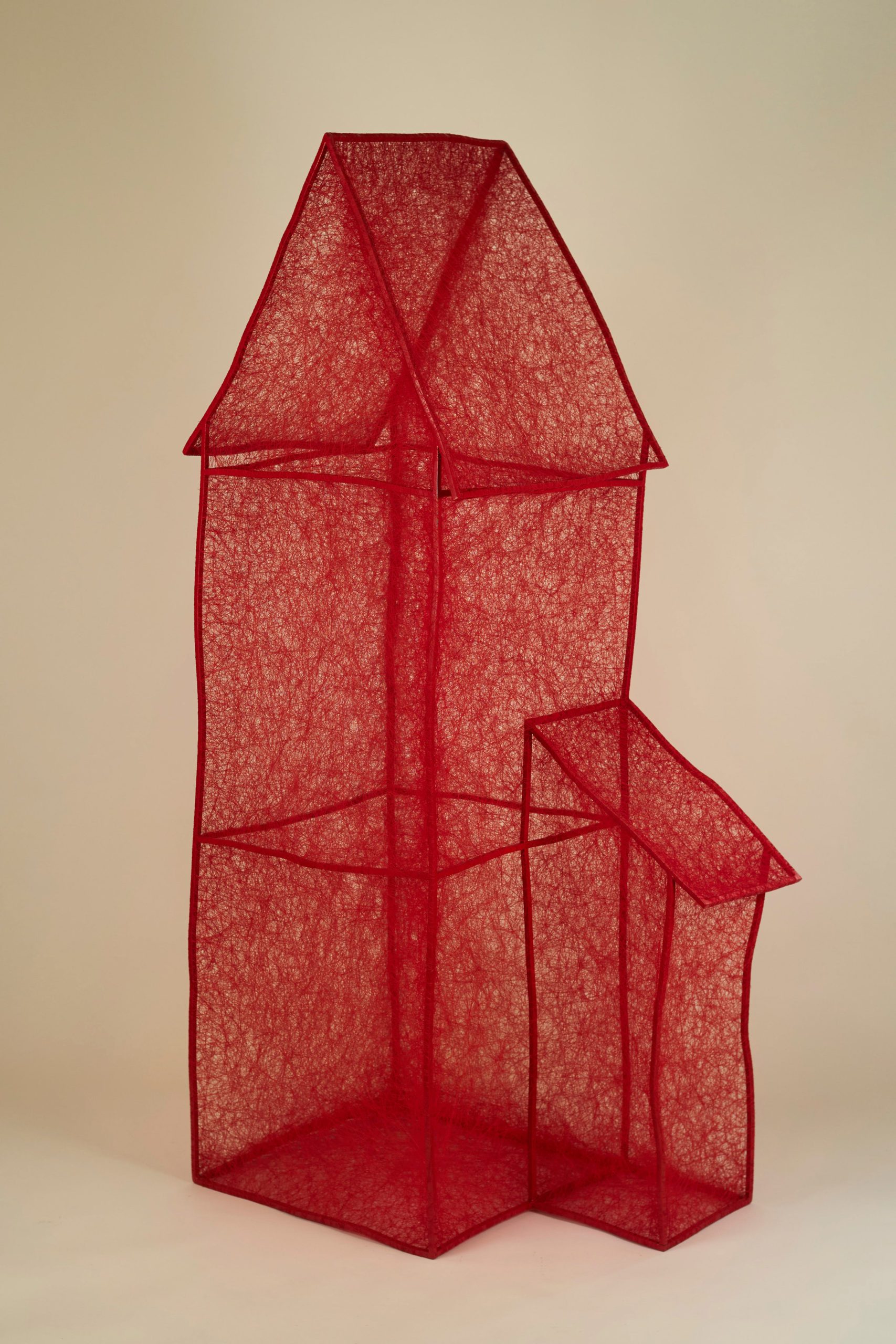
Chiharu Shiota
Strange Home
2026
Metal frame, thread
180 x 80 x 54 cm
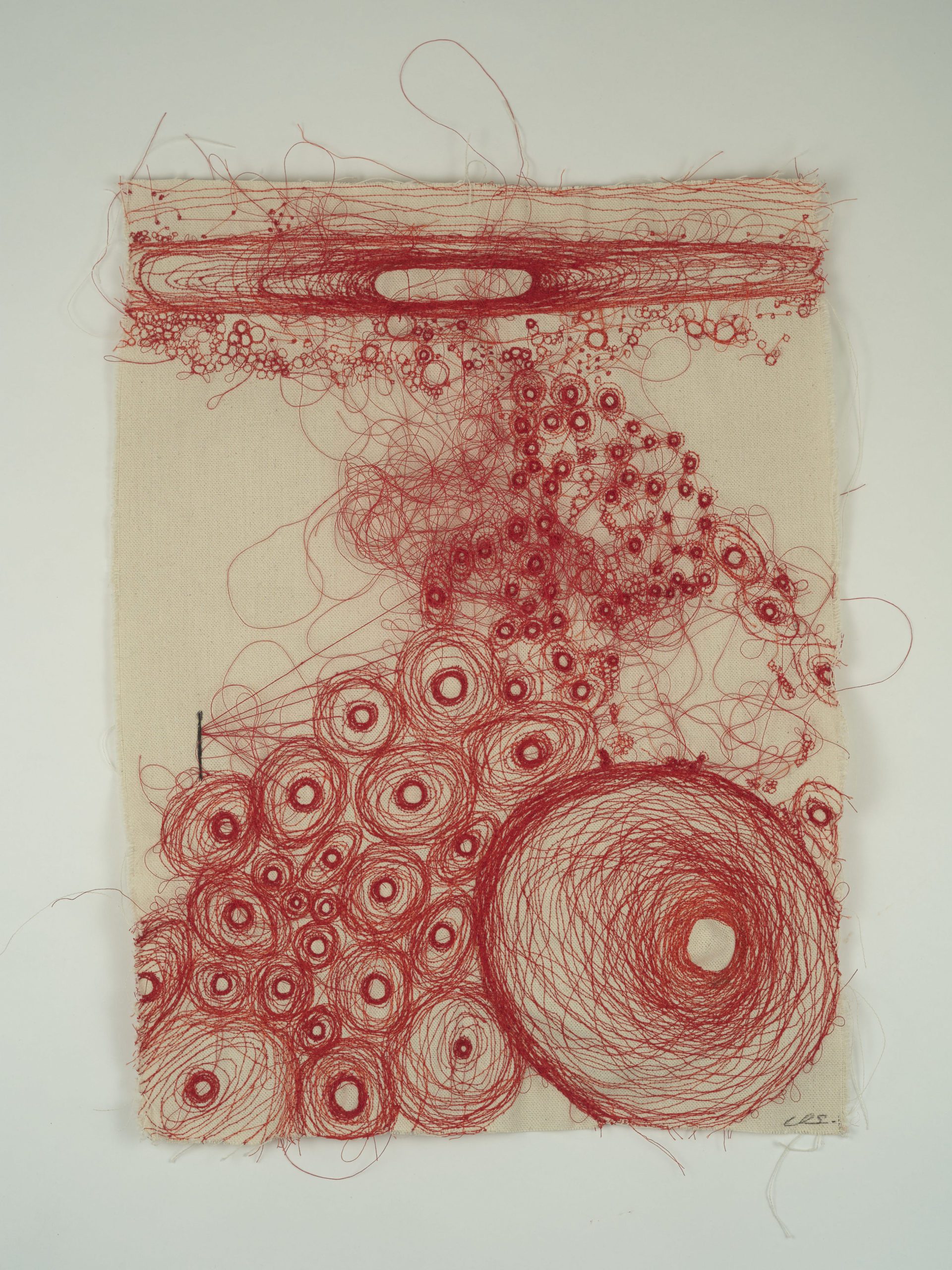
Chiharu Shiota
Connected to the Universe
2026
Thread on canvas
44.5 x 35 cm
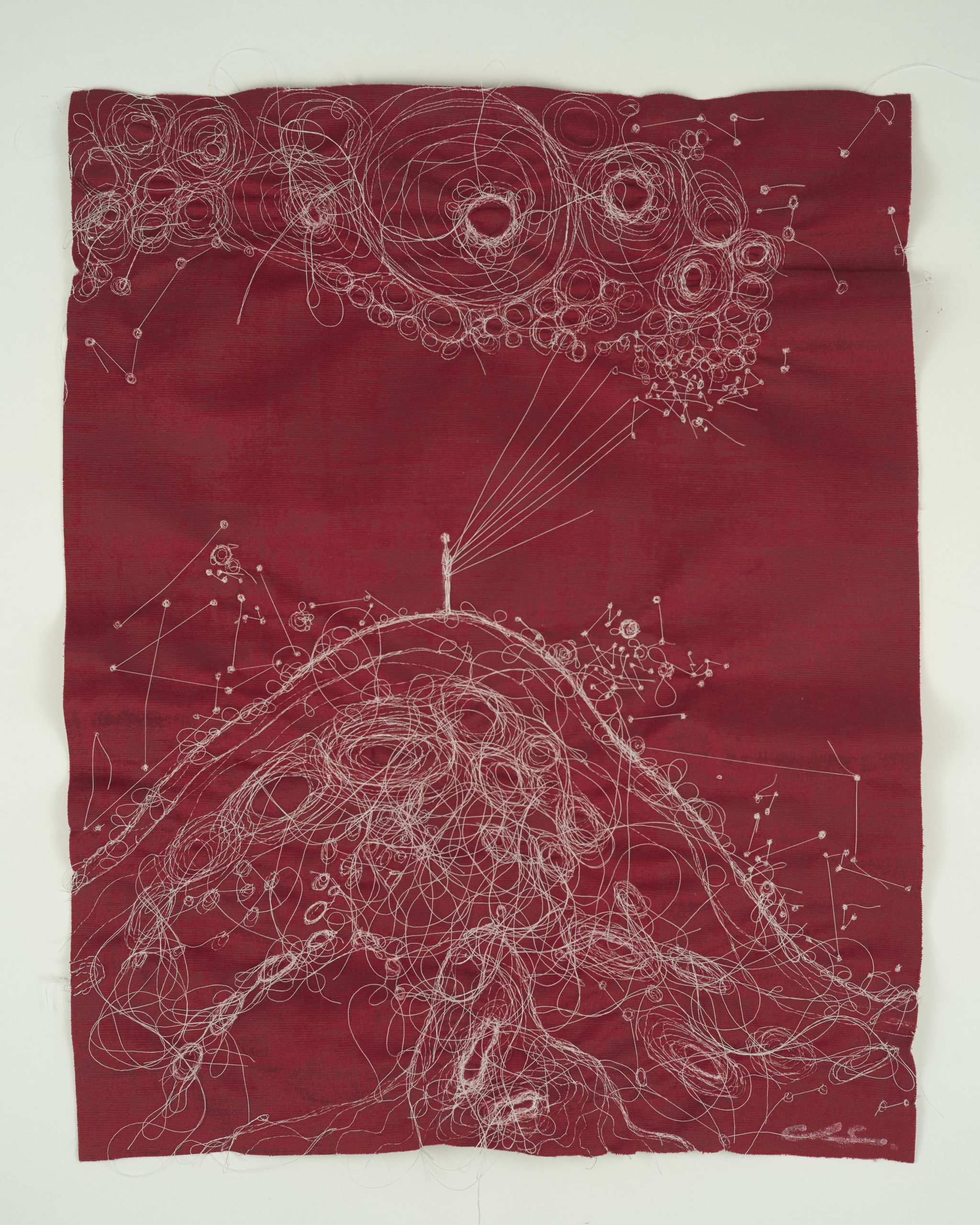
Chiharu Shiota
Connected to the Universe
2026
Thread on canvas
44.5 x 35 cm
Chiharu Shiota – Portfolio 2026
Jordi Teixidor
Spain, 1941
Considered as one of the most important representatives of the Spanish Abstraction, and National Prize of the Arts, Jordi Teixidor identifies himself with the modern tradition and critical thought, translating to his work a doubtful and critical spirit, developing abstraction and a work that is rational, genuinely Apollonian, superbly balanced, strictly contained with regard to expressive elements.
The modernity of Jordi Teixidor is reflexive and his paintings don’t look for satisfaction, but require the spectator to think, denying a narrative reading.
More than a tour de force abput the possibilities of the abstraction at the present time, his work must be understood as an aesthetic and intelletual reflection on the limits of painting, as a search after the non painting, as the unattainable desire of making the final picture, or, what it is the same, the non- picture, but also as the personal expression of a feeling of ethical-political failure.
Through his use of black, Teixidor has formalized a solemn sequence of images that make up one of the most outstanding tragic expressions in contemporary Spanish painting.
In 2014, he was awarded the National Prize for Plastic Arts. He has participated in the Venice Biennale and has exhibited at institutions such as the Guggenheim Museum, New York; the Spanish Academy in Rome; Museo Nacional Centro de Arte Reina Sofía; UNAM Museo de Arte Contemporáneo, Mexico City; and the IVAM, among others.
His work can be found in the collections of the Guggenheim Museum, New York; Museo Nacional Centro de Arte Reina Sofía; Institut Valencià d’Art Modern (IVAM); Fundación Juan March; Banco de España Collection; Stuveysan Collection; Museo Patio Herreriano; Centro Atlántico de Arte Moderno; SFMoMA; Fundación La Caixa; and the Berkeley Museum.
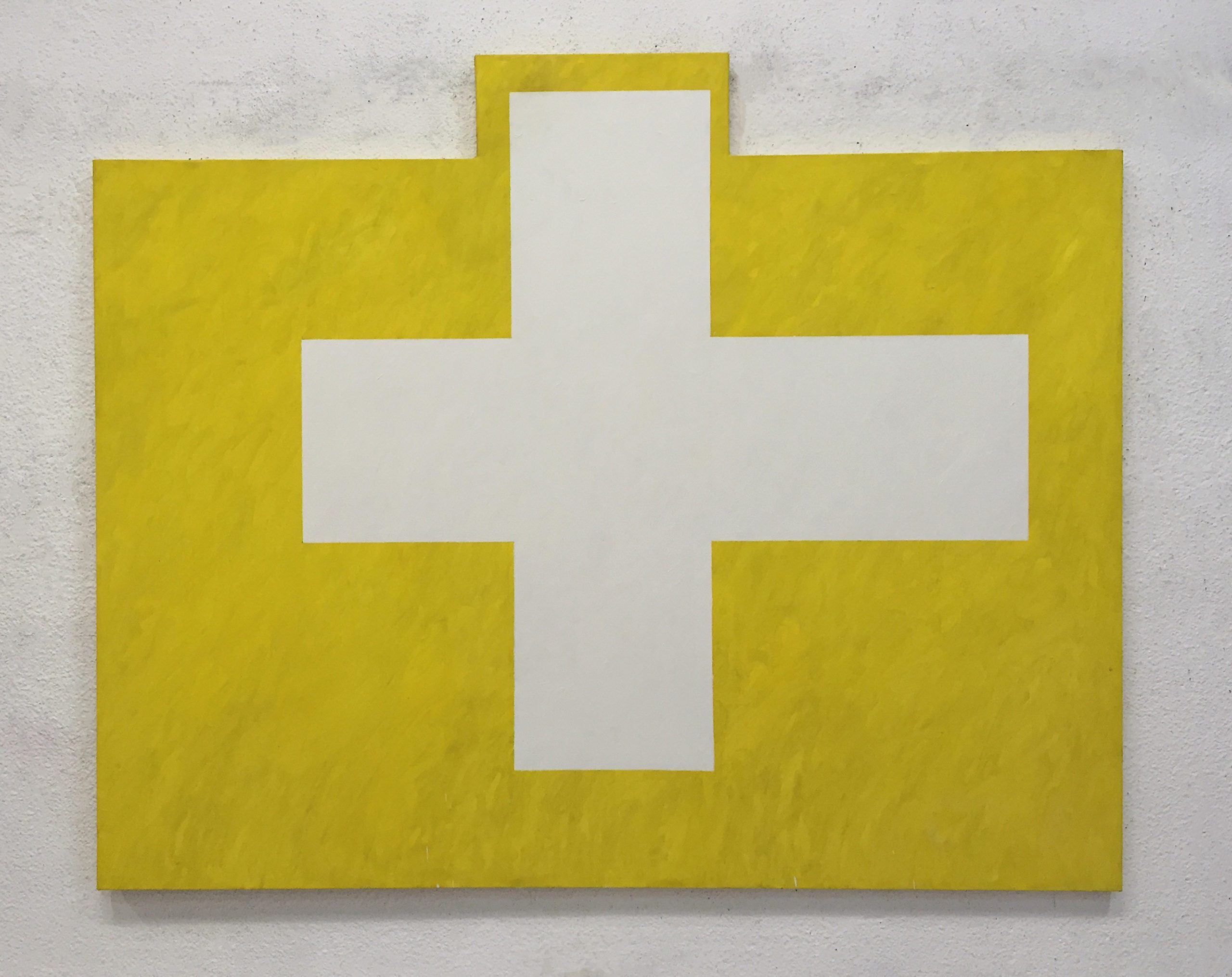
Jordi Teixidor
Untitled 1470
2013
Oil on canvas
155 x 190 cm
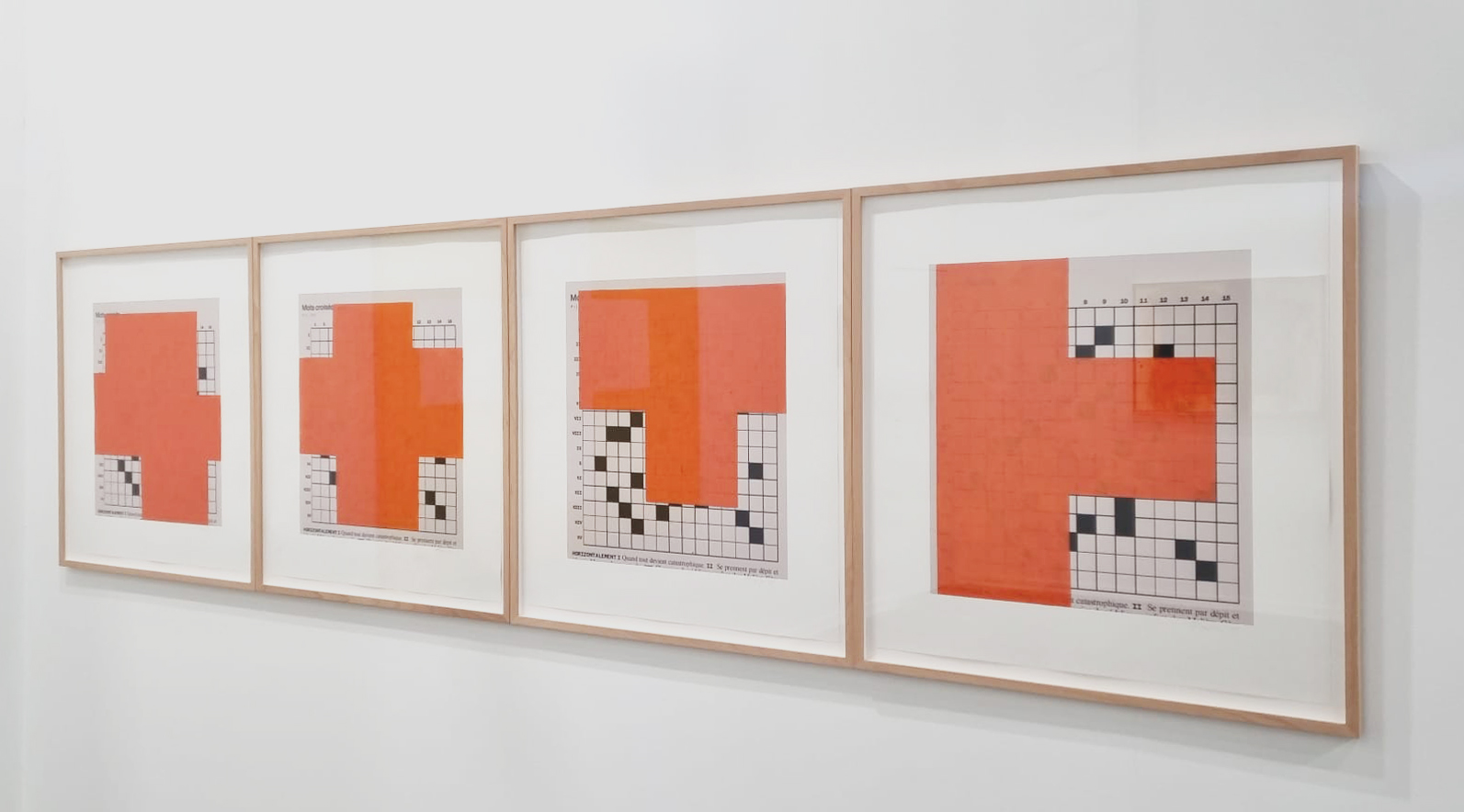
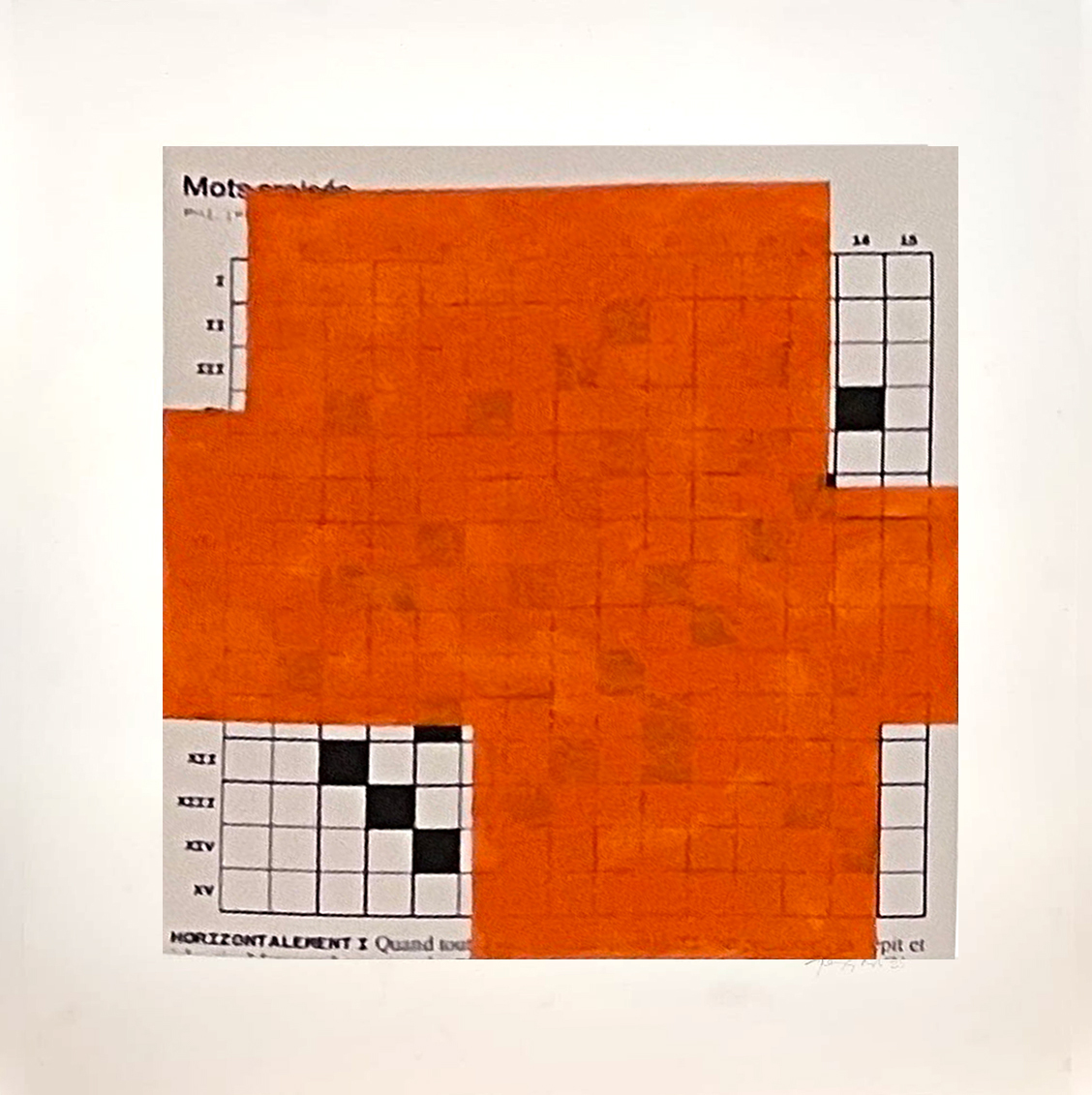
Jordi Teixidor
Mots croisés
2025
Oil on printed paper
70 x 70 cm
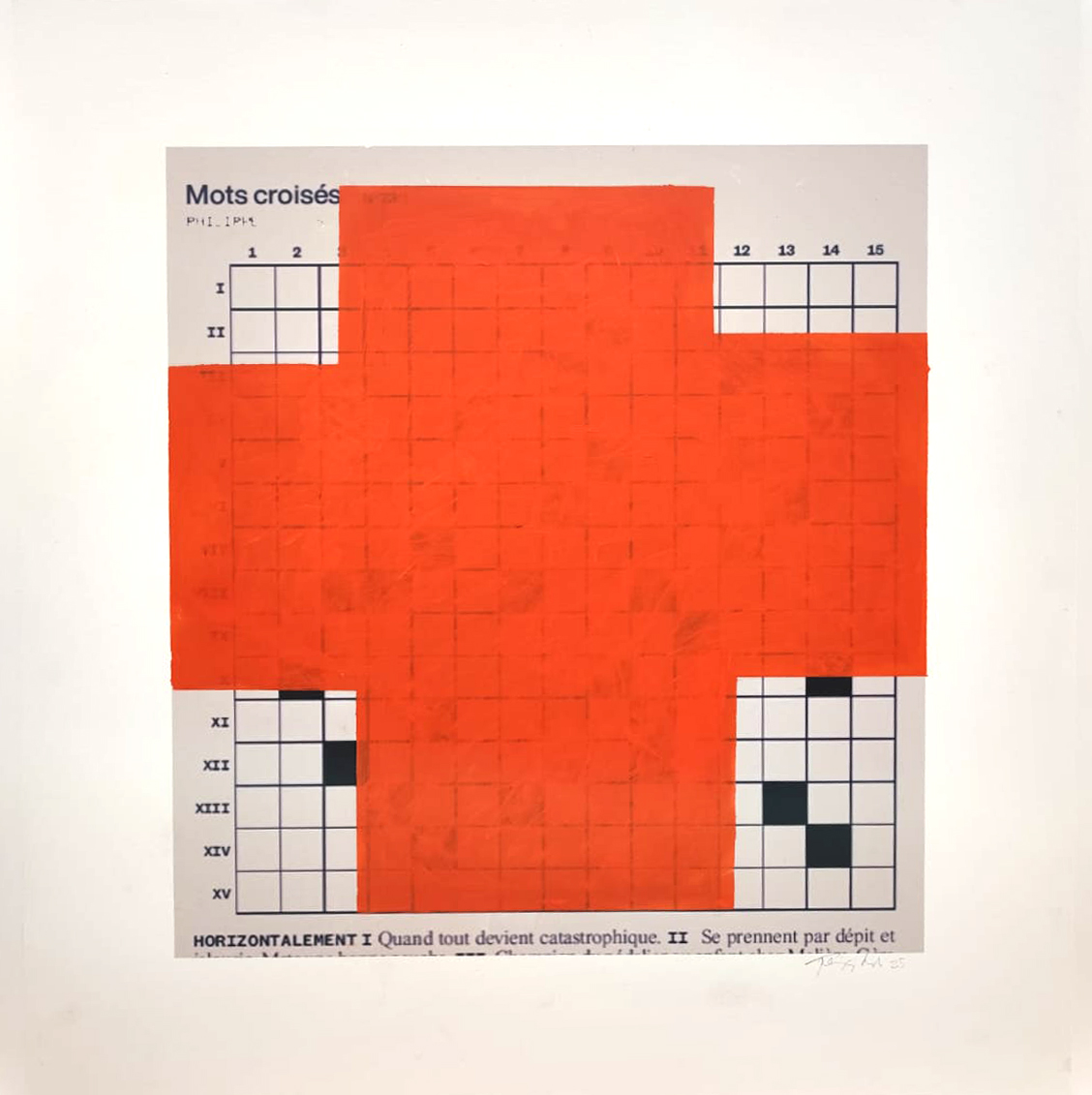
Jordi Teixidor
Mots croisés
2025
Oil on printed paper
70 x 70 cm
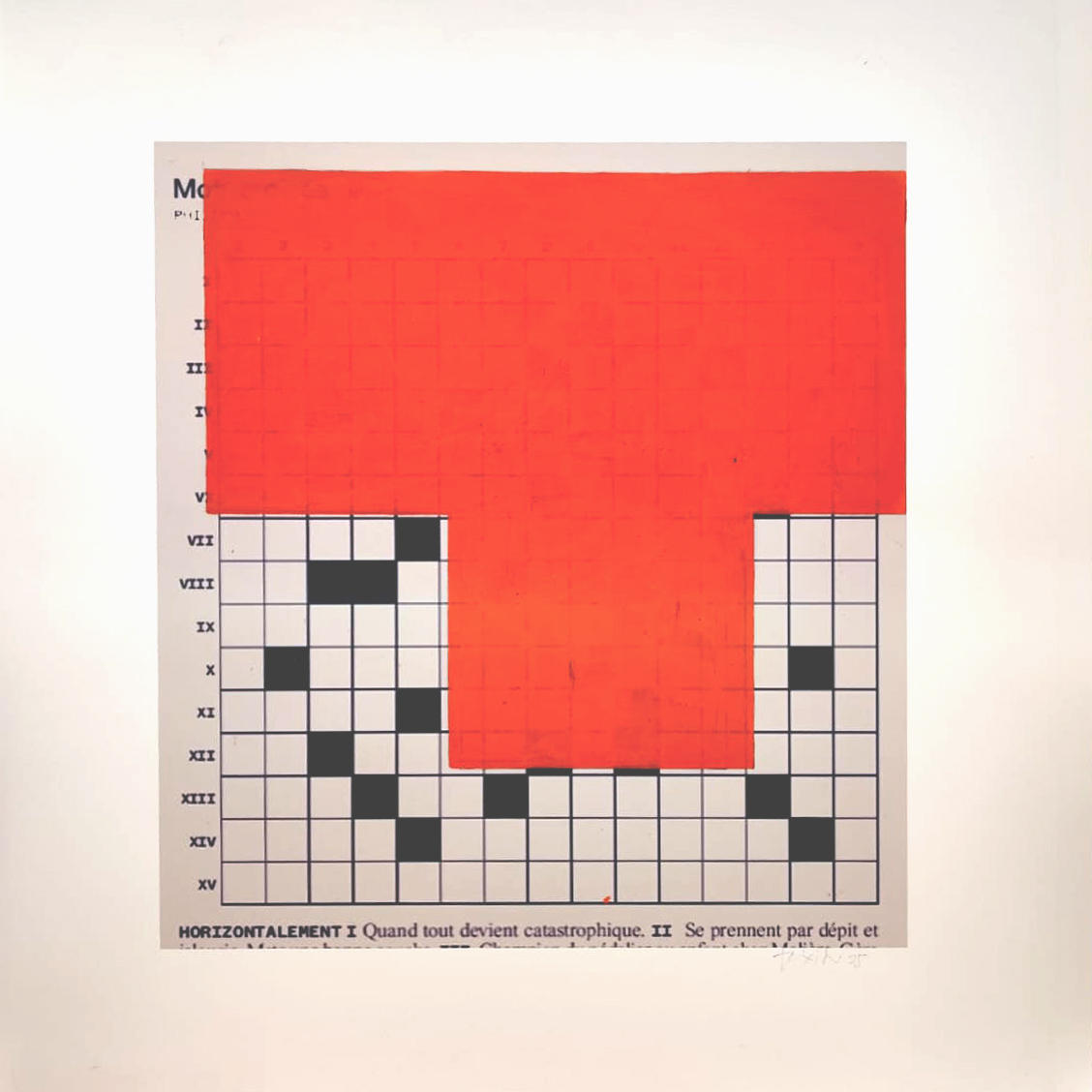
Jordi Teixidor
Mots croisés
2025
Oil on printed paper
70 x 70 cm
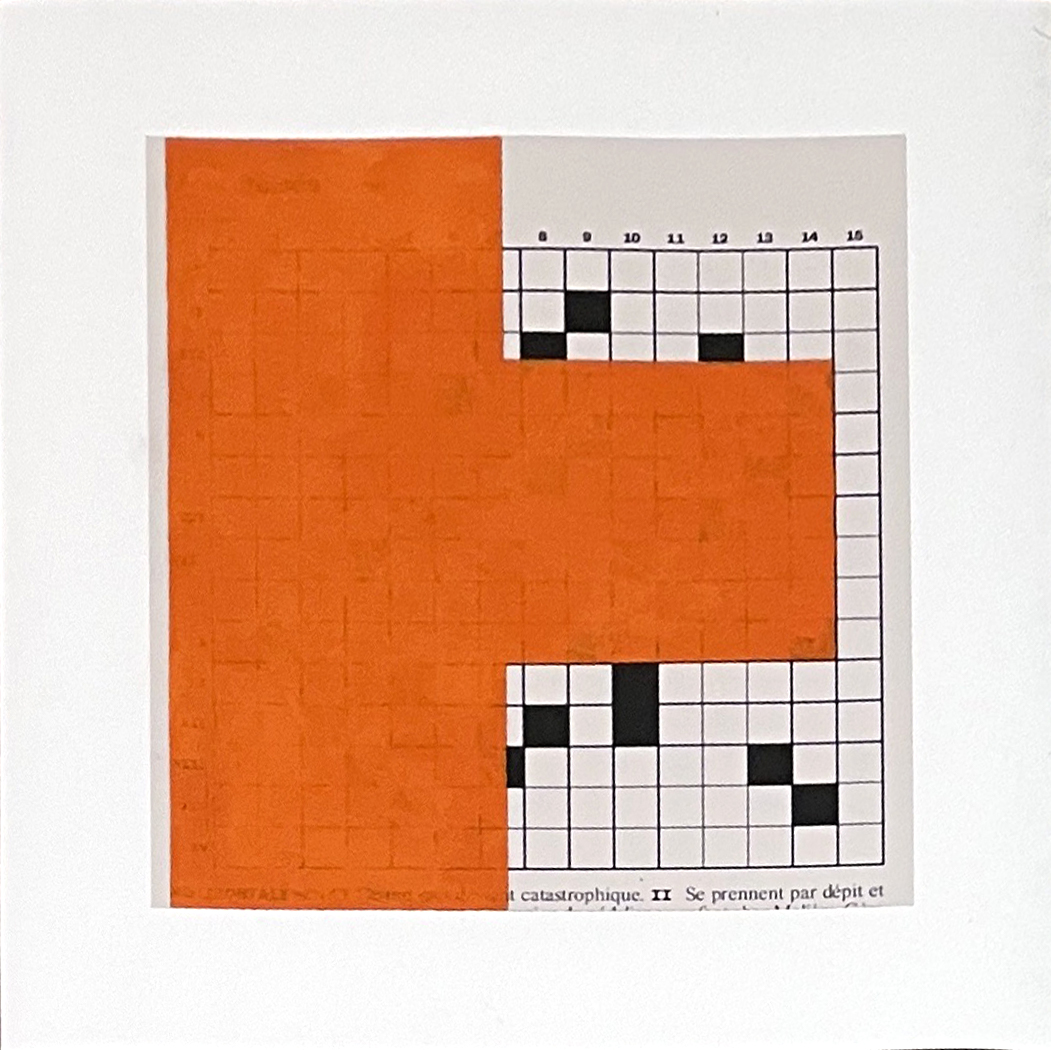
Jordi Teixidor
Mots croisés
2025
Oil on printed paper
70 x 70 cm
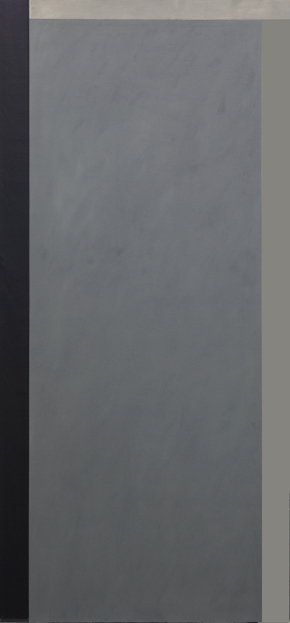
Jordi Teixidor
Untitled 1390
2010
Oil on canvas
190 x 90 cm
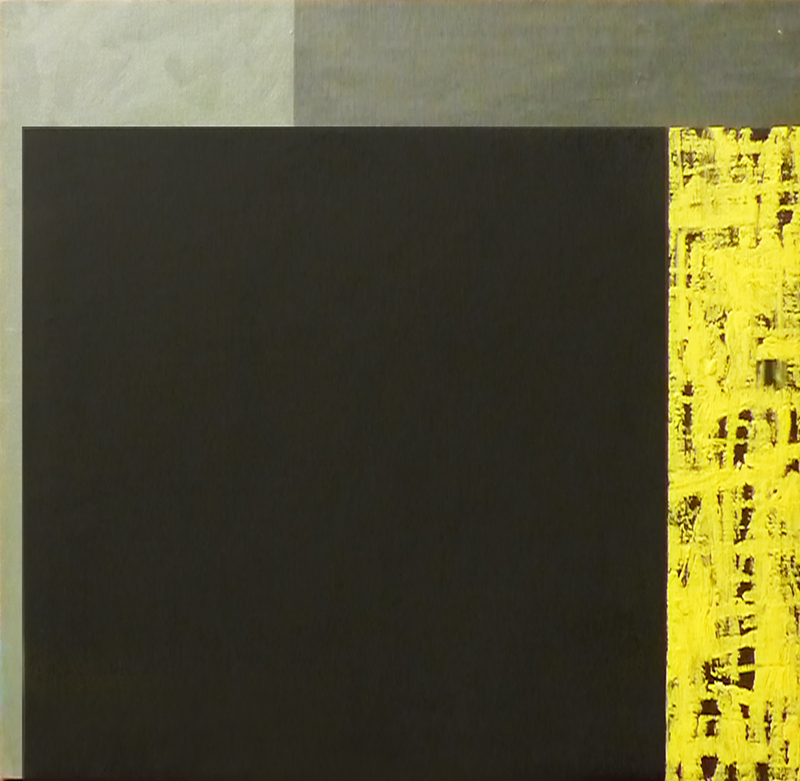
Jordi Teixidor
Bodegón vacío I 1320
2007
Oil on canvas
60 x 60 cm
Jordi Teixidor – Portfolio 2026
Arnulf Rainer
Austria, 1929-2025
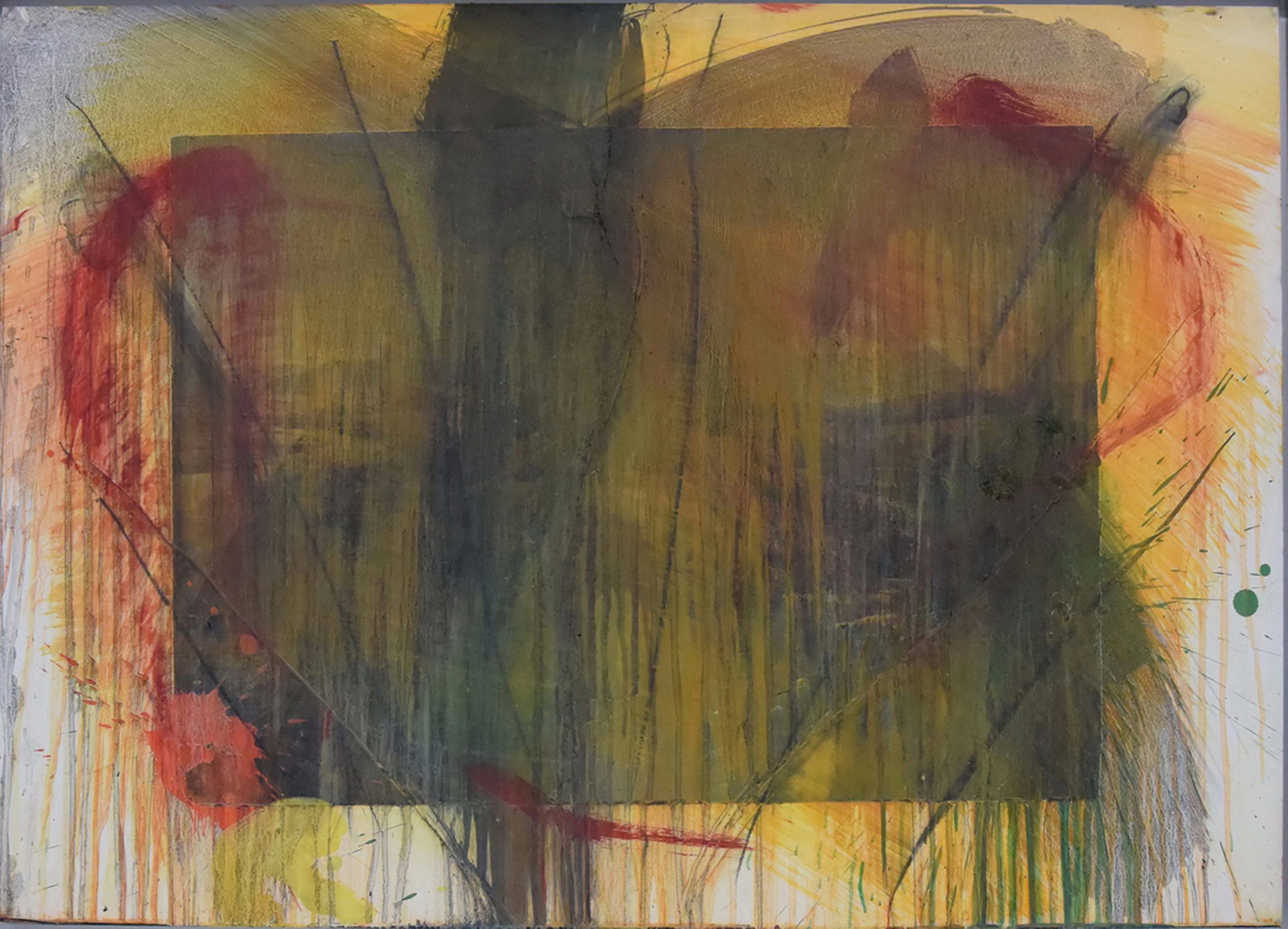
His commitment to the search for new pictorial approaches, accompanied by his performative work and extensive written documentation, enshrined Arnulf Rainer as one of the most influential artists of his generation. Always exalting the body language implied by painting, the artist emphasised the earliest forms of human expression and, in the 1970s, began to photograph himself, creating a link between the theatrical and the graphic as a means of expression.
Close to Viennese Actionism and exploring gesture through performance, he expanded his practice to video and started painting with his hands, a method that accompanied him throughout his career.
Primarily interested in automatism and in the desire to disrupt conventional communication in order to recover the richness of human expression, Rainer based his expressiveness on the concealment of images by other artists as well as of his own self-portraits, reaching abstraction and an almost total obscuration of form. In this sense, his body of work consistently sought to free itself from its own limitations, even exceeding, through the very shape of the canvases, conventional standards.
In 1978, he represented Austria at the Venice Biennale and was awarded the Austrian Grand State Prize. From 1981, he became a member of the Fine Arts Academies of Berlin and Vienna. That same year, he received the Max Beckmann Prize in Frankfurt. He participated in Documenta Kassel in 1972, 1977, and 1982.
Museums that have held retrospectives of his work include the Albertina Museum, Vienna; the Stedelijk Museum, Amsterdam; the Solomon R. Guggenheim Museum, New York; the Alte Nationalgalerie, Berlin; the Kunsthalle Bern; and the Kunstverein Hamburg.
His work is held in the collections of the Museo Nacional Centro de Arte Reina Sofía, Madrid; the Guggenheim, New York; the TATE Gallery, London; the Centre Pompidou, Paris; the Ludwig Museum, Cologne; the Metropolitan Museum, New York; the CGAC, Santiago de Compostela; the IVAM, Valencia; and the Stedelijk Museum, Amsterdam.
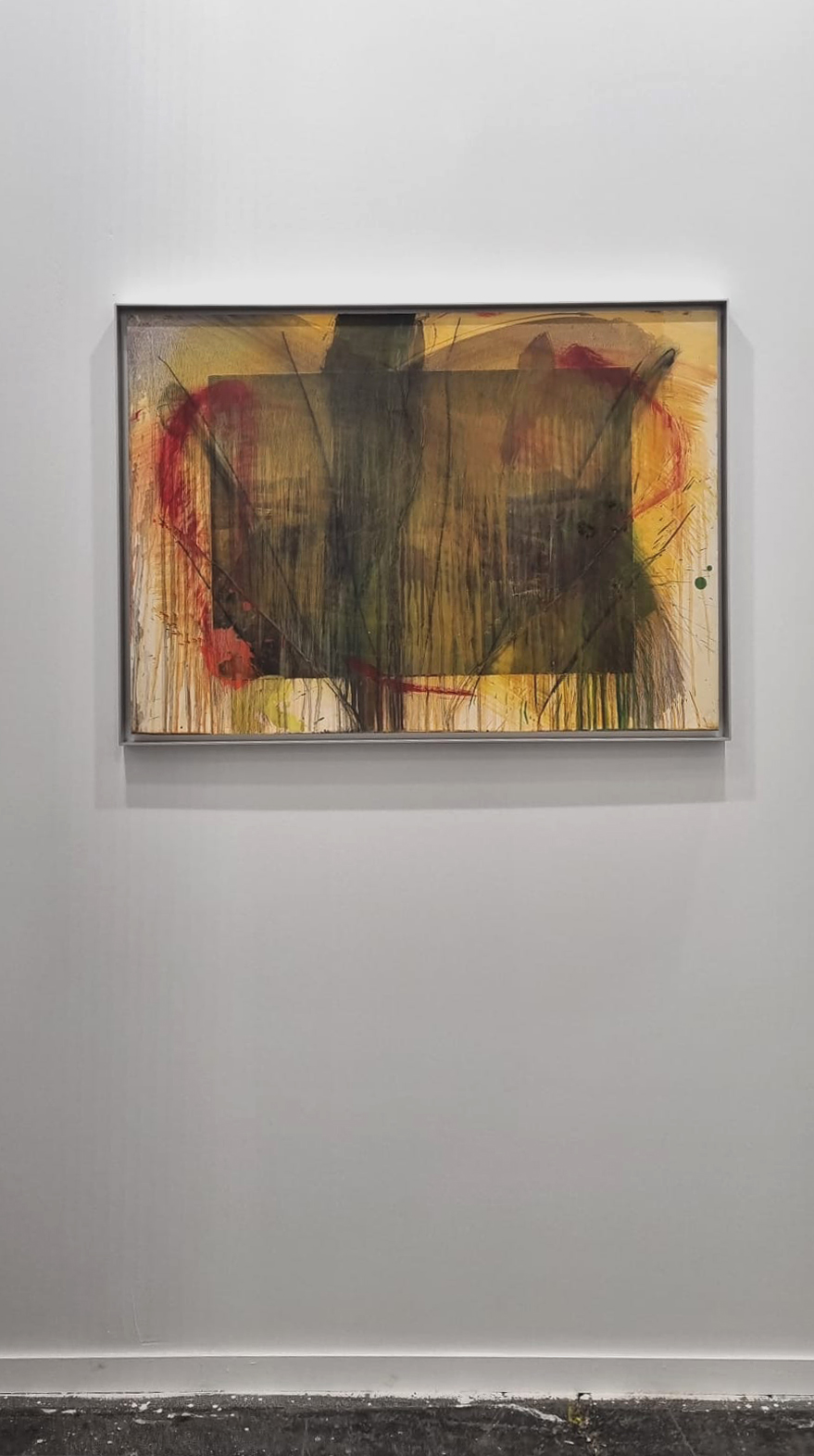
Arnulf Rainer
Landschaft
1991-92
Pastel and oil on paper and wood
73 x 102 cm
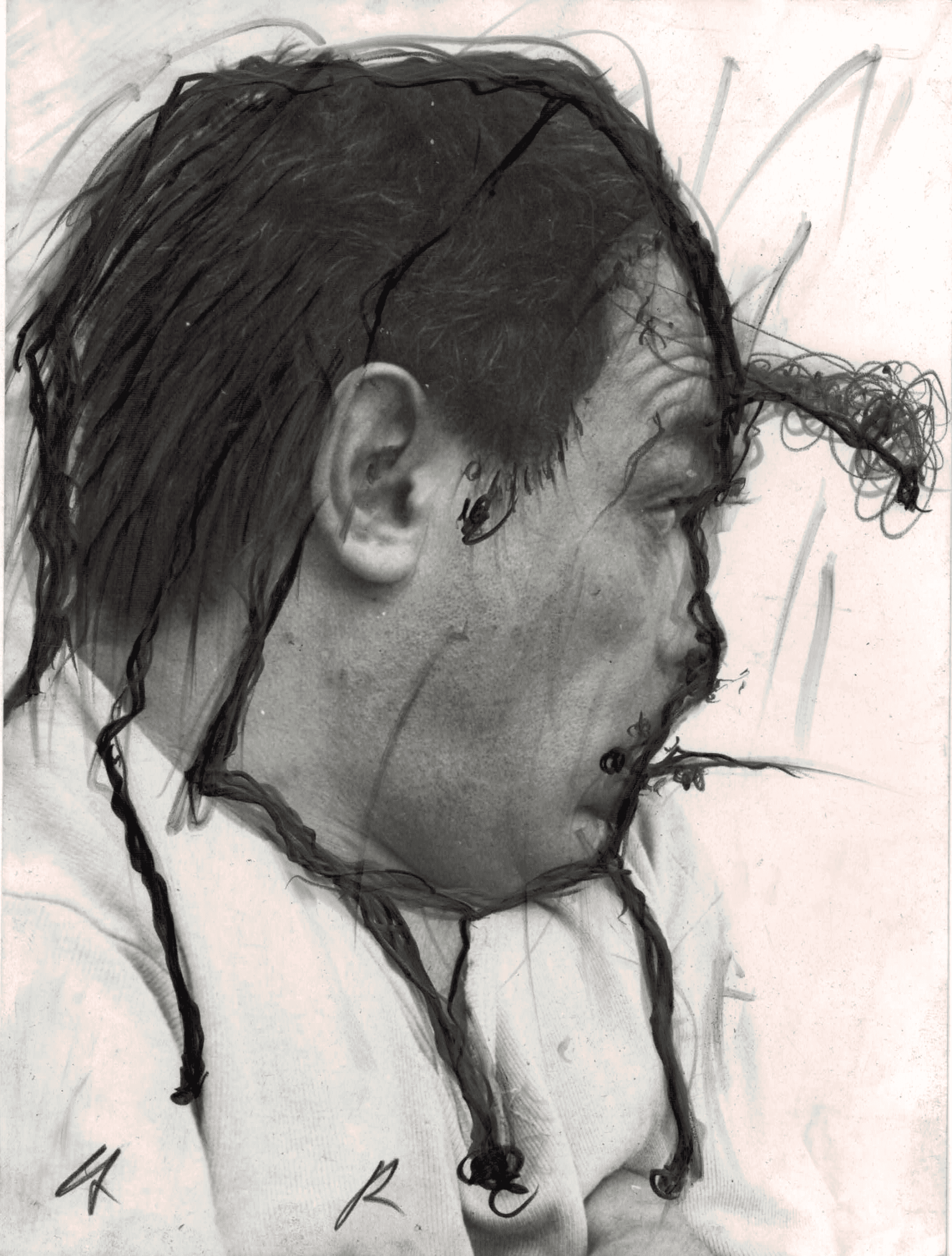
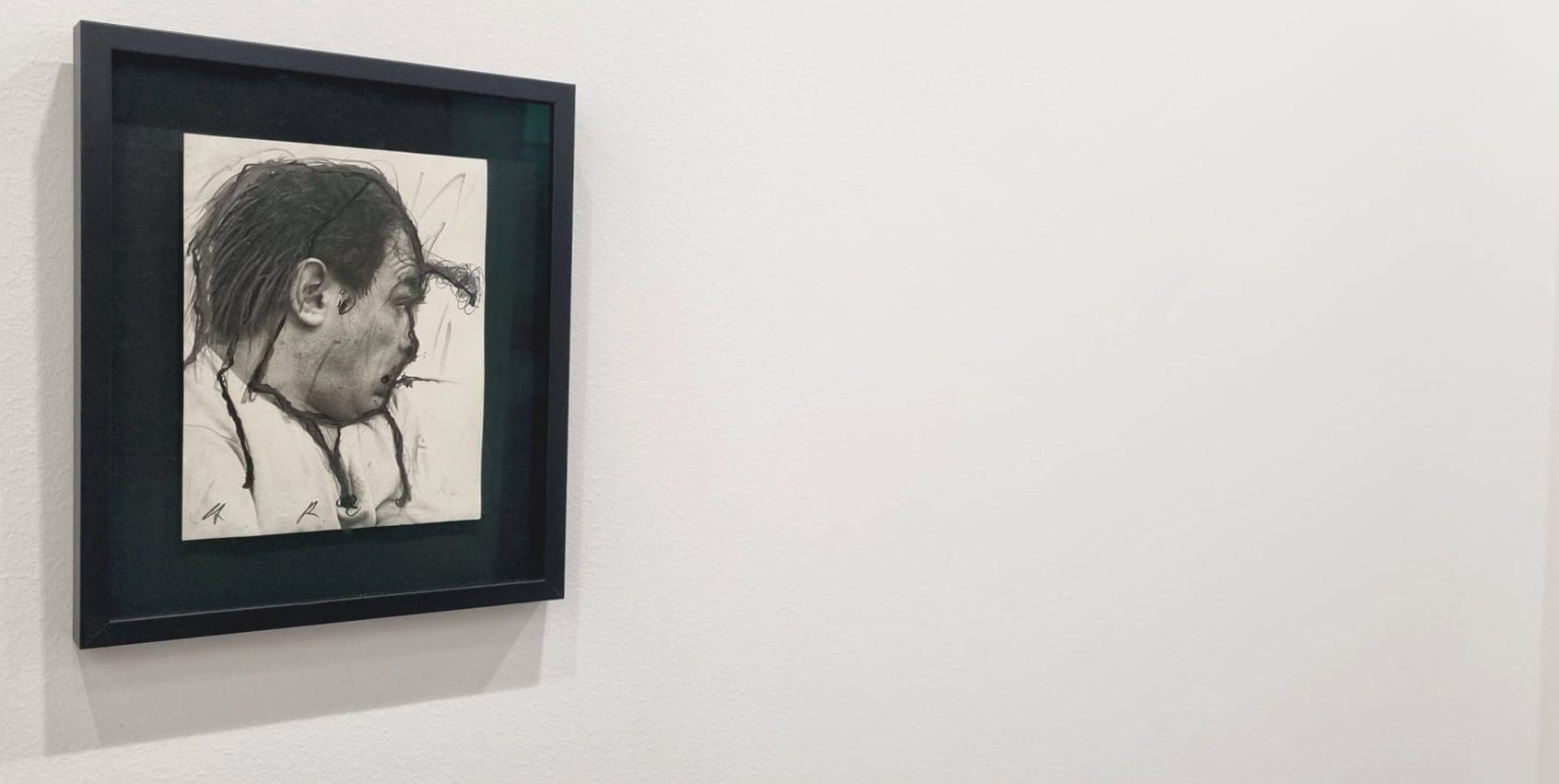
Arnulf Rainer
P25. (‘Face Farces’ series)
1970-75
Pencil on photograph
24 x 18 cm
Exhibition: 2020 – Arnulf Rainer. Visages. NF/NIEVES FERNANDEZ, Madrid.
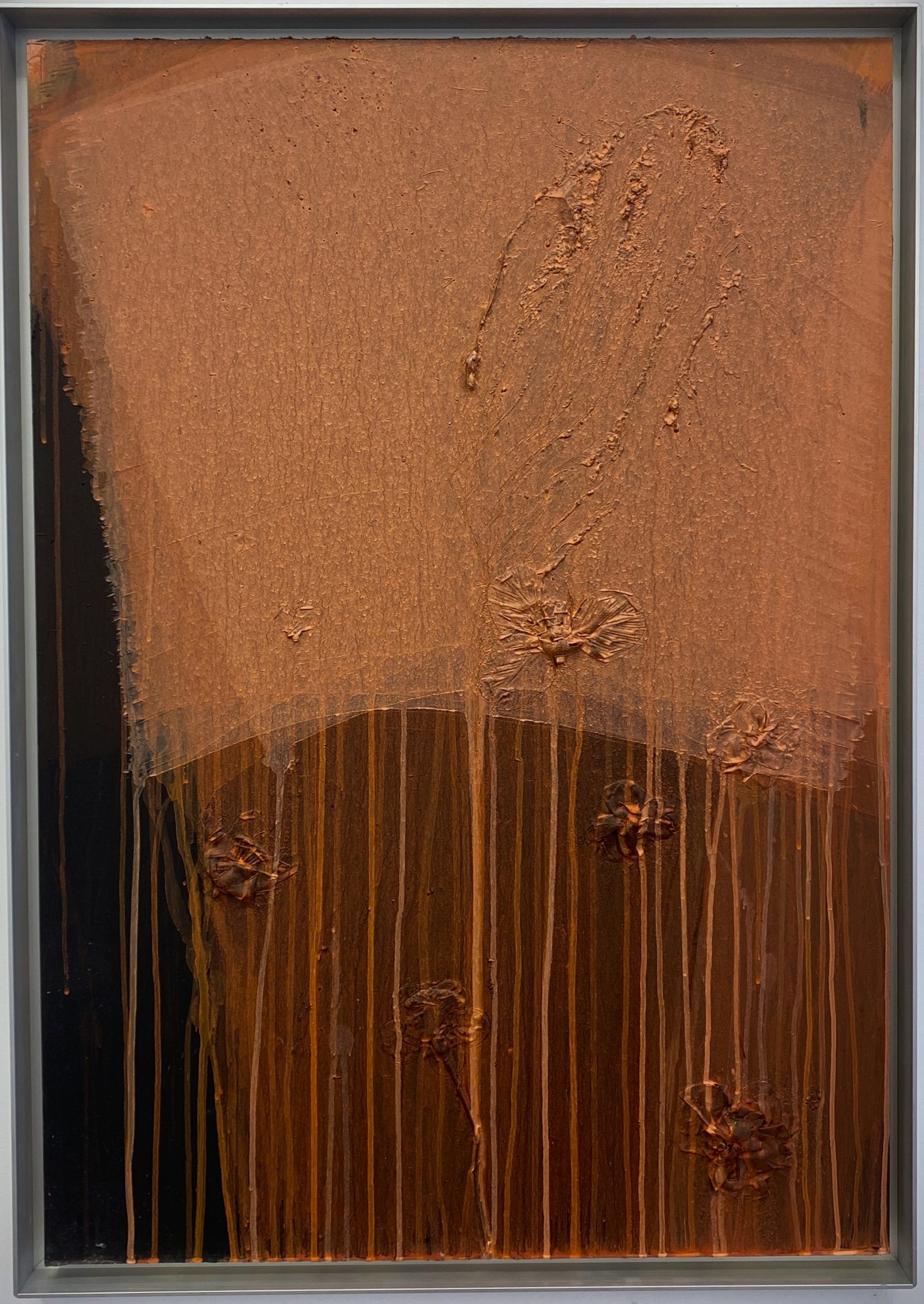
Arnulf Rainer
Rosa Blüten
1996
Tempera on cardboard on wood
103,5 x 73,5 cm
Exhibition: 2024 – Arnulf Rainer. Rot, Blau, Gelb. NF/NIEVES FERNANDEZ, Madrid.
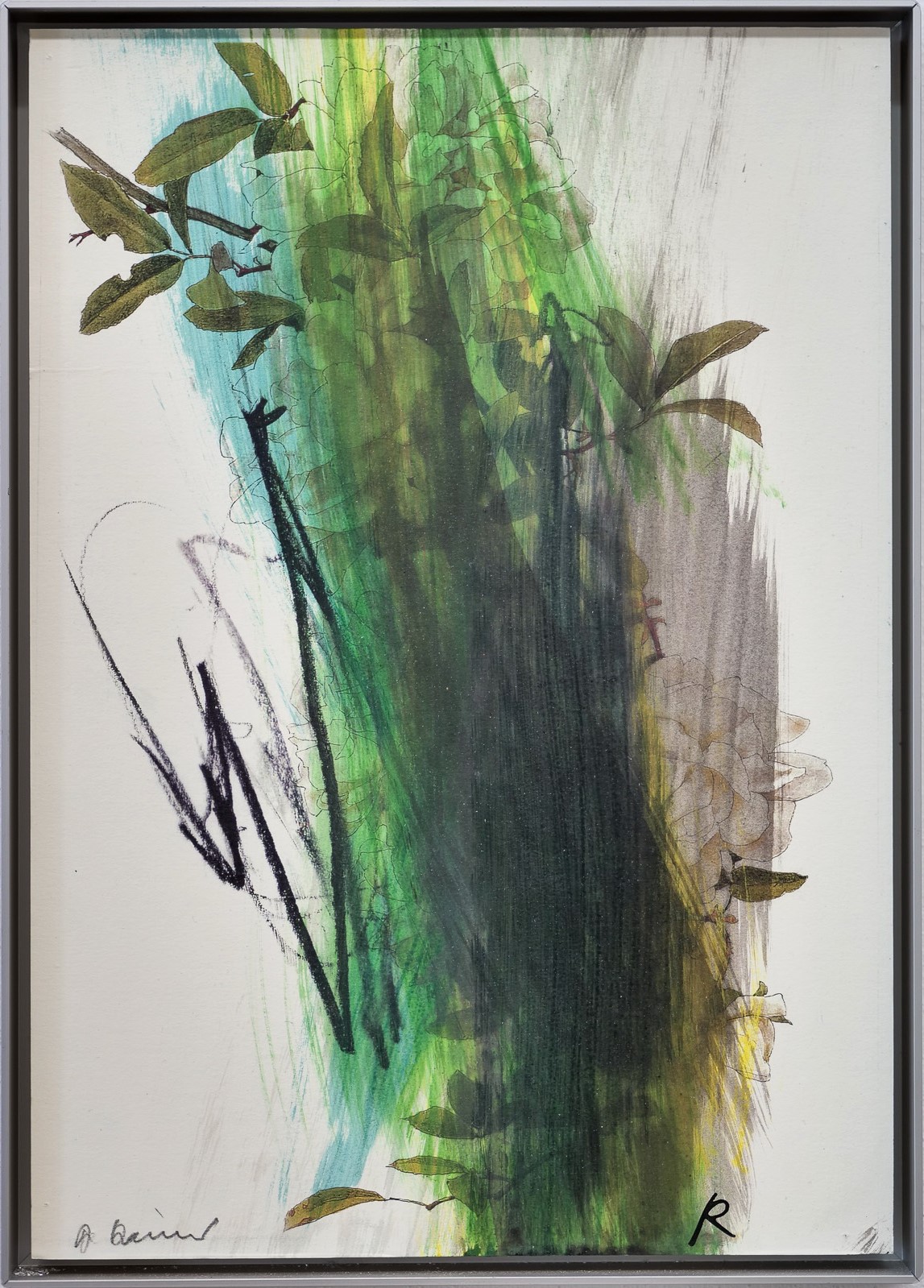
Arnulf Rainer
Blumenserie
ca. 2000
Mixed media on paper on wood
44 x 31,5 cm
Exhibition: 2024 – Arnulf Rainer. Rot, Blau, Gelb. NF/NIEVES FERNANDEZ, Madrid.
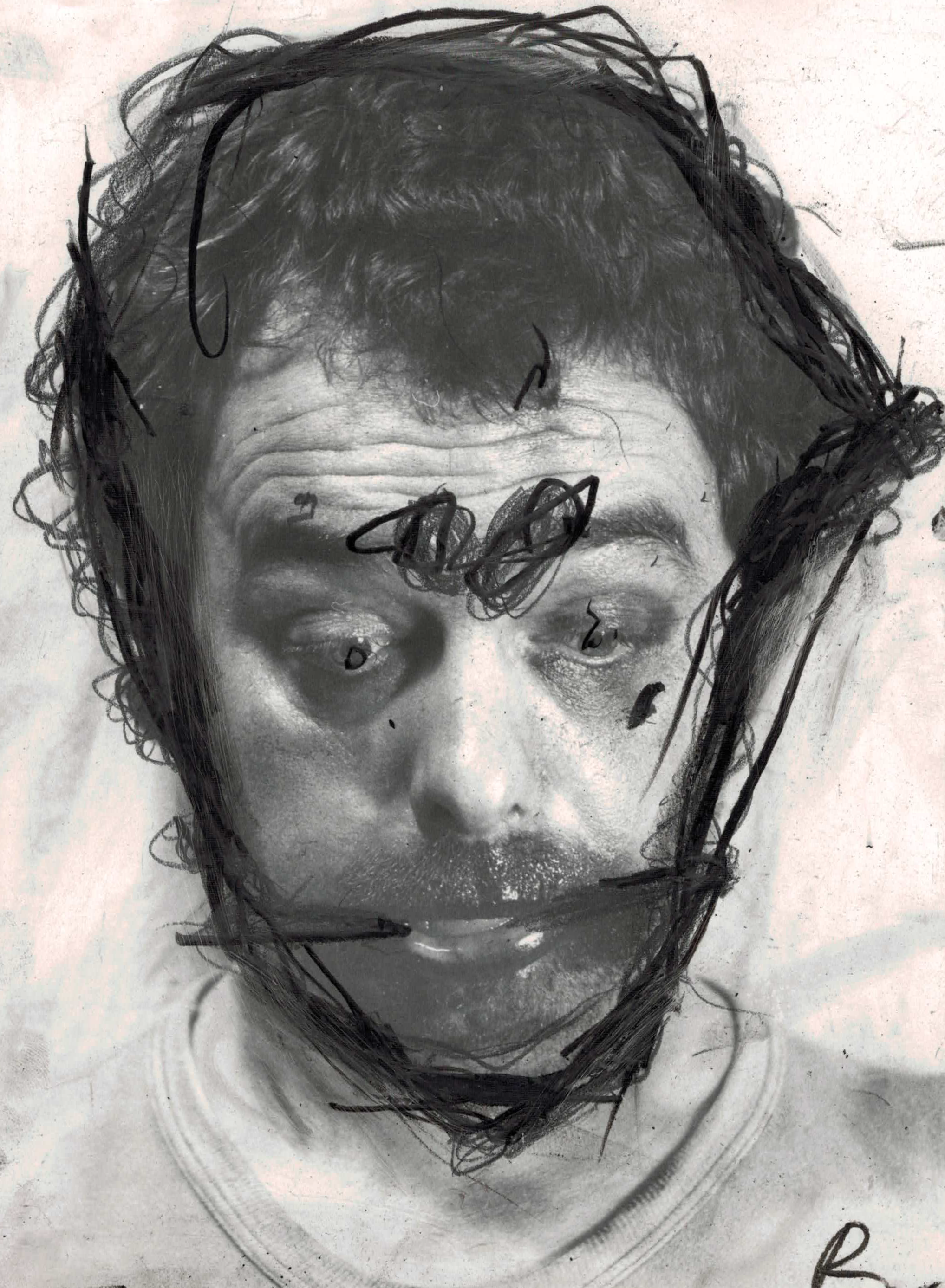
Arnulf Rainer
P26. (‘Face Farces’ series)
1970-75
Pencil on photograph
24 x 18 cm
Exhibition: 2020 – Arnulf Rainer. Visages. NF/NIEVES FERNANDEZ, Madrid.
Arnulf Rainer – Portfolio 2026
Clara Sánchez Sala
Spain, 1987
“Writing is trying to know what we would write if we wrote”
Marguerite Duras, Écrire, Gallimard, 1993
As an echo of the artistic practice of Clara Sánchez Sala, this quote by Marguerite Duras accompanies her entire production to date. If for Duras writing is an intention, for Sánchez, the act of creating is an attempt that takes place in the impossible meeting of past and present.
The artist constantly remembers and measures her favorite trips, the time that elapses between autobiographical events and history. From this poetics of intimacy, she not only recreates her personal history, but also plays with temporal imbalances to awaken a feeling of estrangement from her personal environment.
Clara’s works are indications that point to the heuristic effect of distance. The artist thus places the viewer in the archaeologist’s situation, seeing the pieces as riddles that she cannot directly identify. Sánchez regularly uses this distancing process to question what is seen and what is known, and thus underline the idea of impermanence and incompleteness.
She has participated in exhibitions at the Museo de Arte Abstracto de Cuenca, Centro de Arte Dos de Mayo, Fundación MARSO, Fundación Otazu, La Laboral, EACC, and Centro Cultural Conde Duque.
Her work is included in collections such as the Centro de Arte Dos de Mayo, DKV Collection, Kells Collection, and Fundación Otazu, among others.
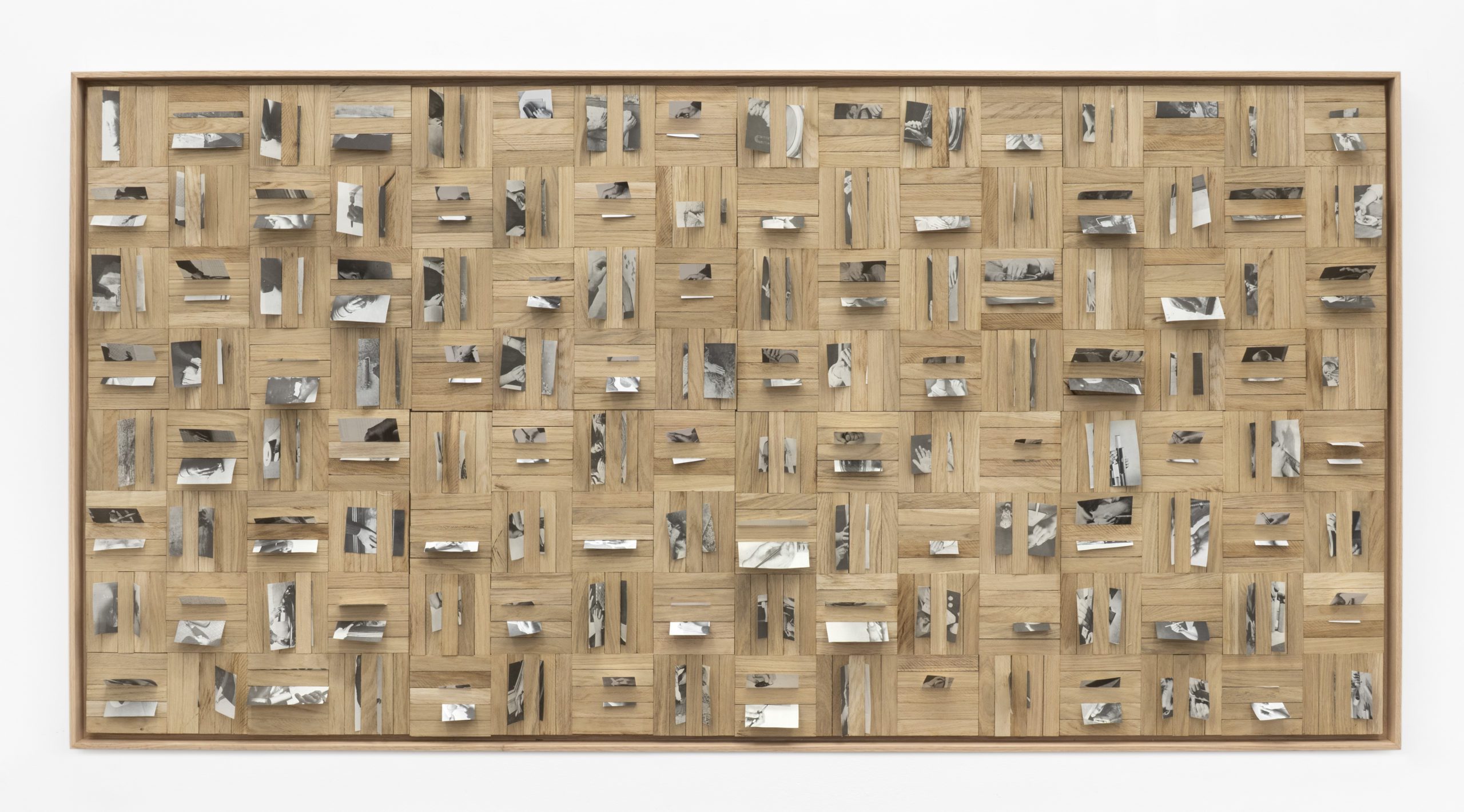
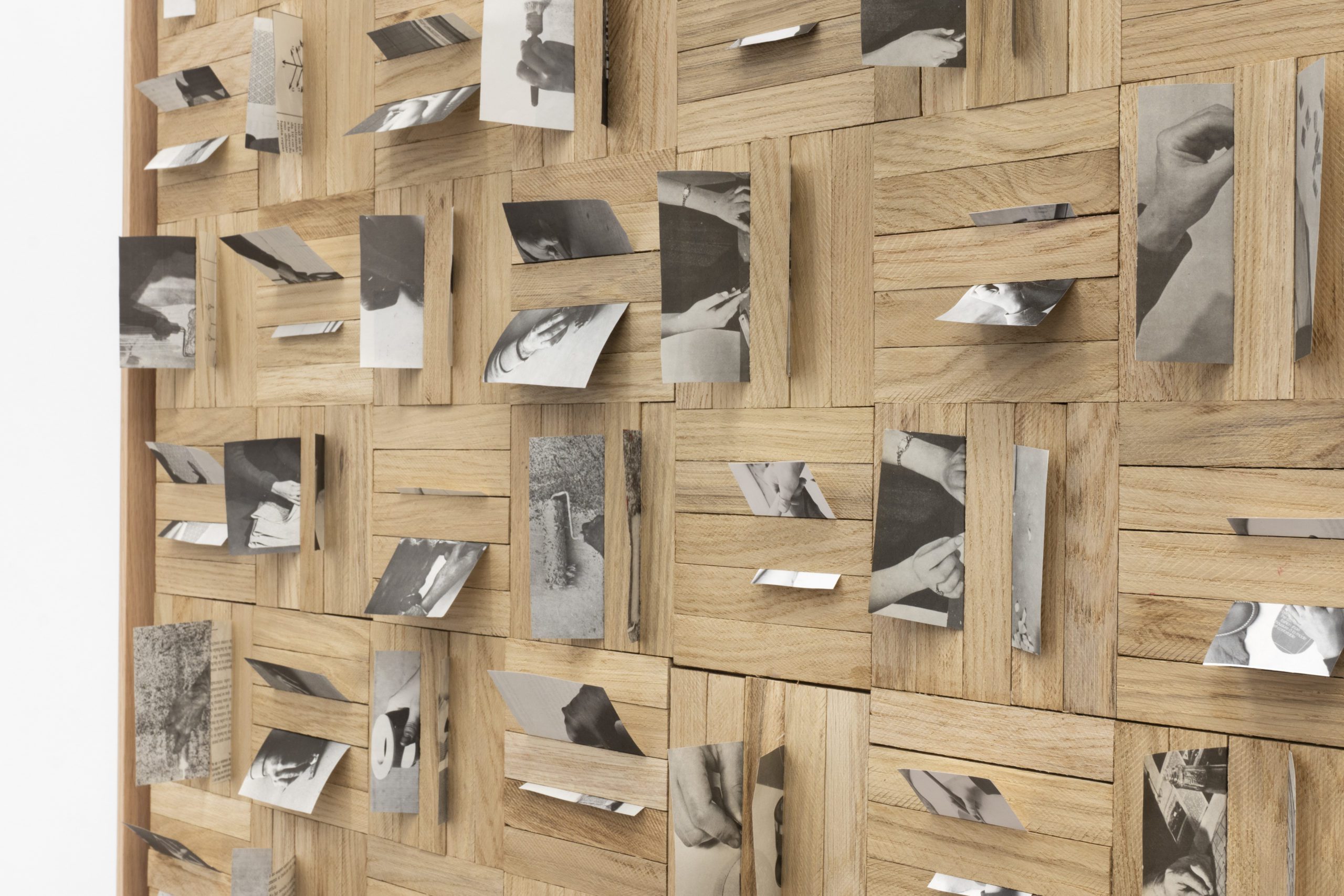
Clara Sánchez Sala
Tous les revêtements de la maison
2025
Photograph on wooden platform
100 x 200 x 4 cm
Exhibition: 2025 – Clara Sánchez Sala. Del mármol al color hígado. NF/NIEVES FERNANDEZ, Madrid.
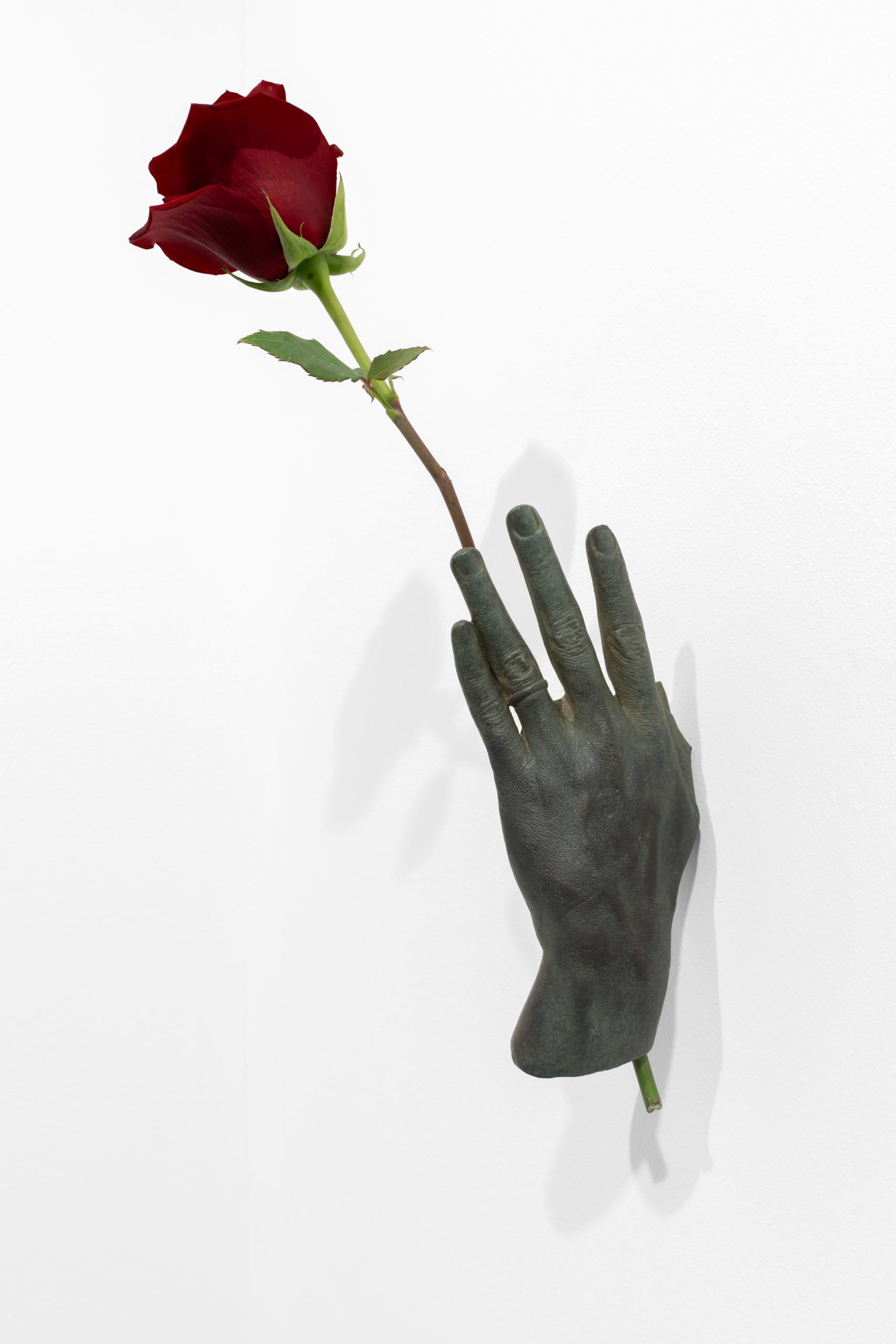
Clara Sánchez Sala
Nel bronzo è impulso
2026
Bronze and rose
30 x 15 x 10 cm
Clara Sánchez Sala – Portfolio 2026
Pipo Hernández Rivero
Spain, 1966
The works by Pipo Hernandez Rivero propose questions on “universally accepted cultural truths”. Built with images and ideas based on modern culture, his works move in the fields of cultural suspicion.
Pointing out to the complex possibilities for painting in the 21st century, his body of work offers a pictorial reconsideration from formal and conceptual structures, which references underlie a sense of failure to the cultural avant-gardes. At the same time, demonstrating that the discoursive standardizing results in the exclusion of voices.
Mixing painting with all sorts of materials and introducing texts in languages that are unconventional to the Western paradigm, his works place us at politically disturbed environments, confronting the viewer with an unsolved dialogue and pushing towards rethinking notions of identity and value.
She has exhibited at the Centro Atlántico de Arte Moderno, Las Palmas de Gran Canaria; Fundación MARSO, Mexico City; Museo de Arte de Pereira; ARTIUM Museoa, Vitoria; Círculo de Bellas Artes de Tenerife; Fundación Otazu, Navarra; Museum of Fine Arts Budapest; Centre del Carme Cultura Contemporània, Valencia; Prague Art Museum; and the Sala de Arte Contemporáneo de Tenerife, among others. She has also participated in the Havana, Dakar, and Tenerife Biennales.
Her works are included in the collections of Fundació Sorigué; TEA Tenerife Espacio de las Artes; Centro Atlántico de Arte Moderno; ARTIUM; Fundación MARSO; the Galila Barzilaï Collection, Brussels; the Kells Collection; the Olor Visual Collection; and MUDO, Istanbul.
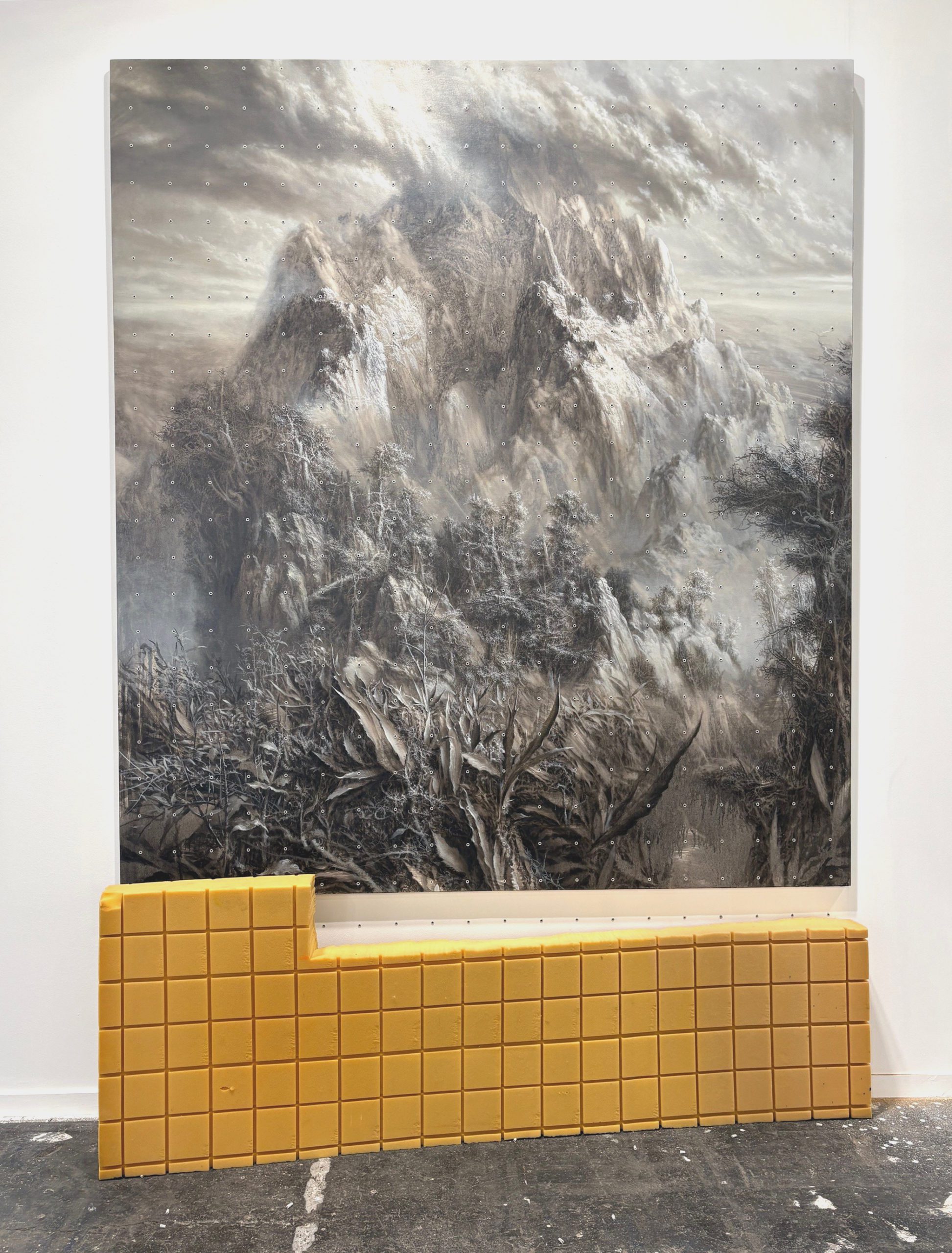
Pipo Hernández Rivero
Piedad nº2
2026
Oil on canvas, plastic and foam
285 x 200 cm
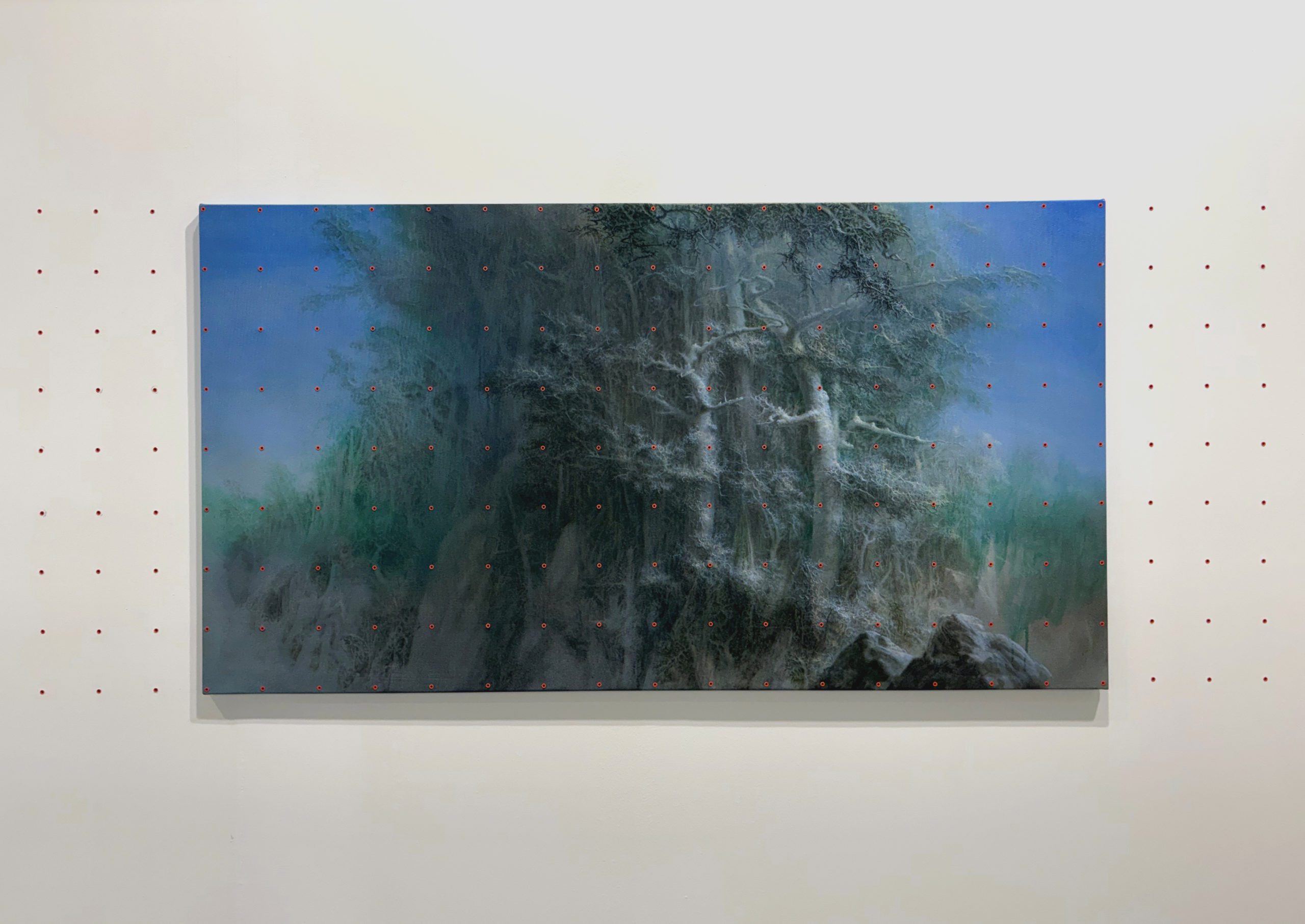
Pipo Hernández Rivero
Ecos
2026
Mixed technique on canvas and plastic
100 x 260 cm
Pipo Hernández Rivero – Portfolio 2026
Rafael Grassi
Switzerland, 1969
In his works, Rafael Grassi reconciles a deep attachment to pictorial material with a taste for creating an illusion of perspective and deceptive figuration. Figures serve as a starting point that gradually decomposes, freeing itself from preconceived meanings and generating a pictorial surface full of paradoxes and chromatic diversity.
Formal analogies, paradoxes, and linguistic contaminations are some of the notions evoked in his painting. Photographic images act as an initial reference, triggering a process of successive manipulation and metamorphosis that preserves the trace of a decaying image. In this transformation, formerly narrative elements emancipate themselves on the canvas, reclaiming an autonomy freed from meaning.
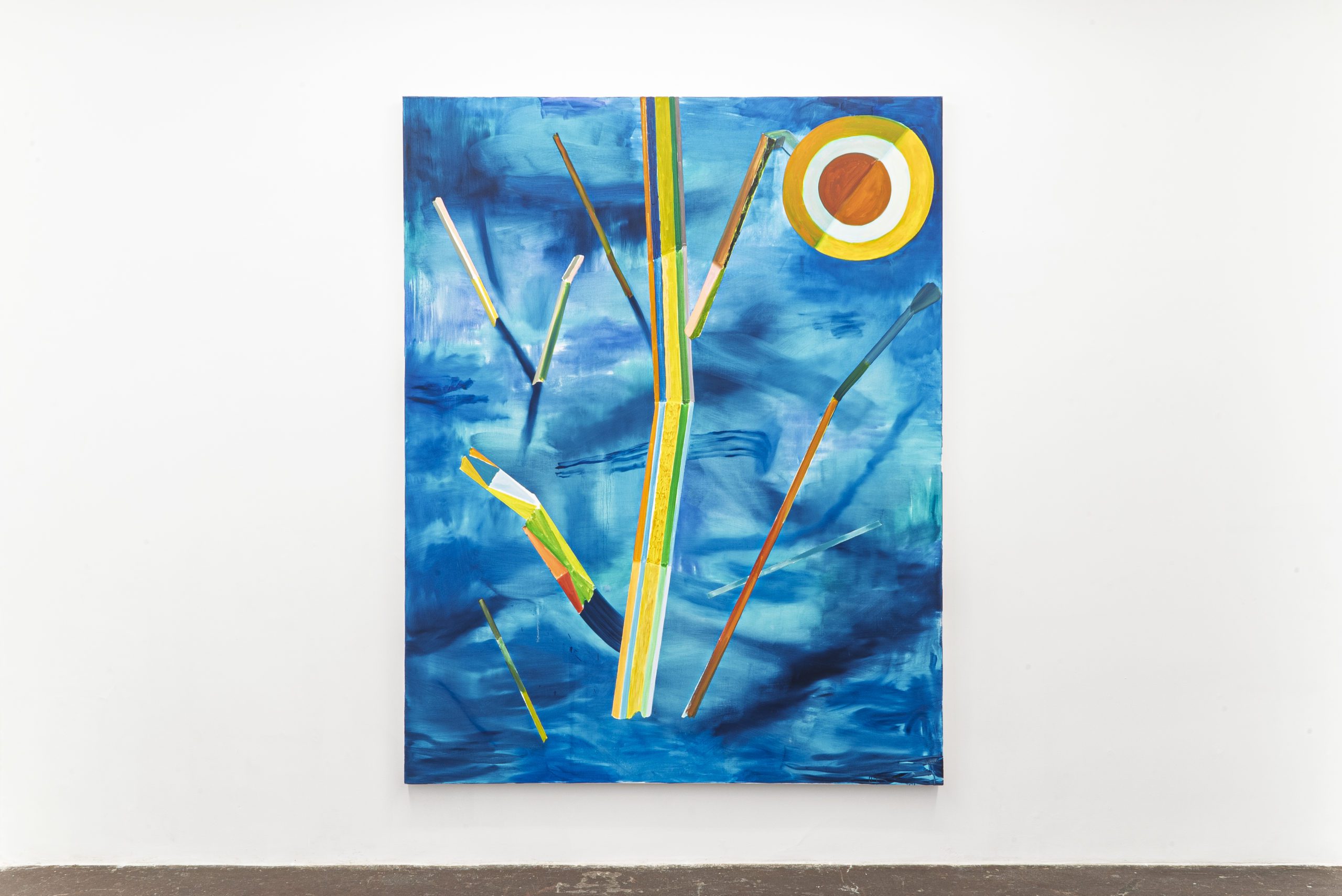
Rafael Grassi
Forms of Life
2022
Oil on canvas
230 x 180 x 5 cm
Exhibition: 2024 – Rafael Grassi. Inventory. NF/NIEVES FERNANDEZ, Madrid.
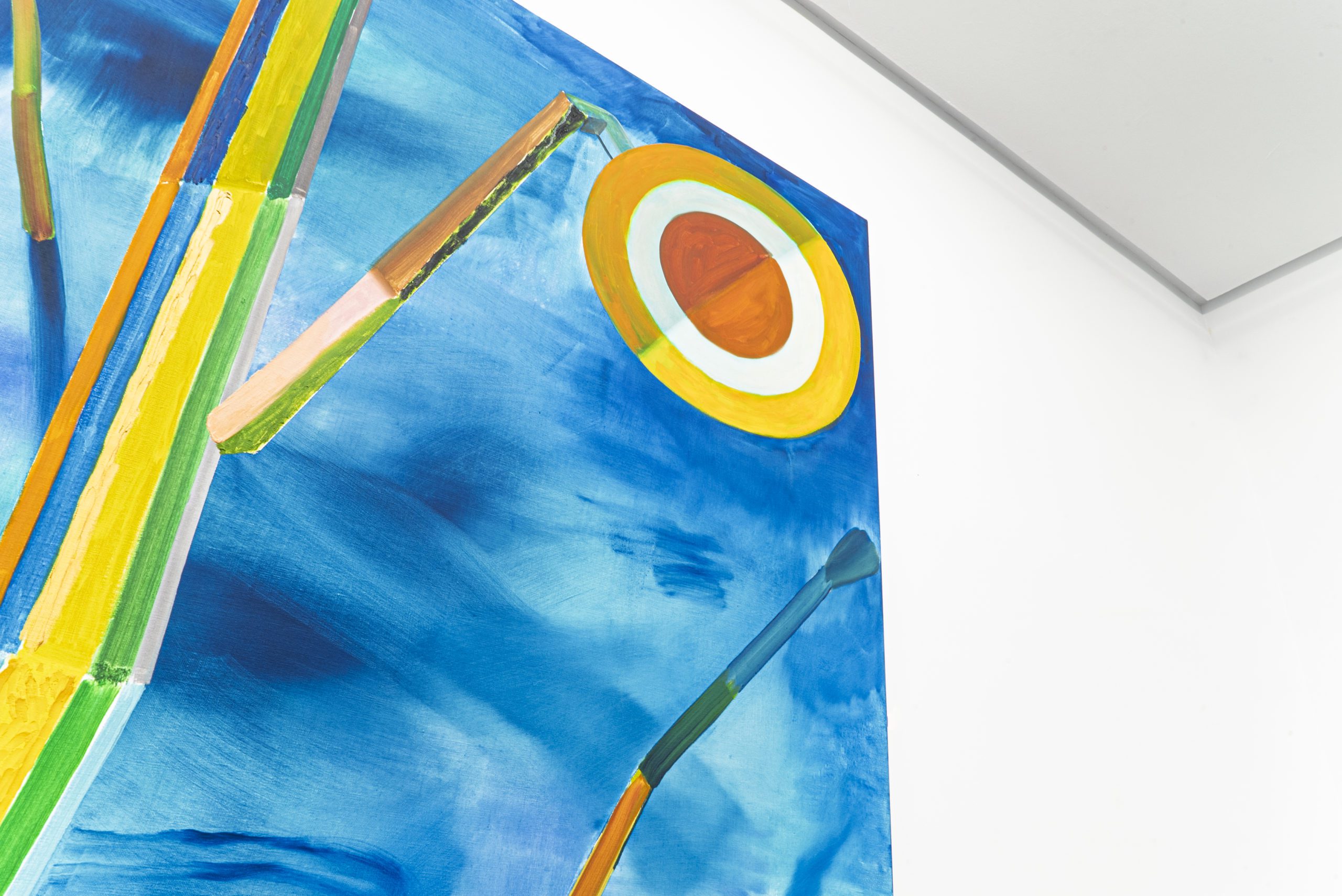
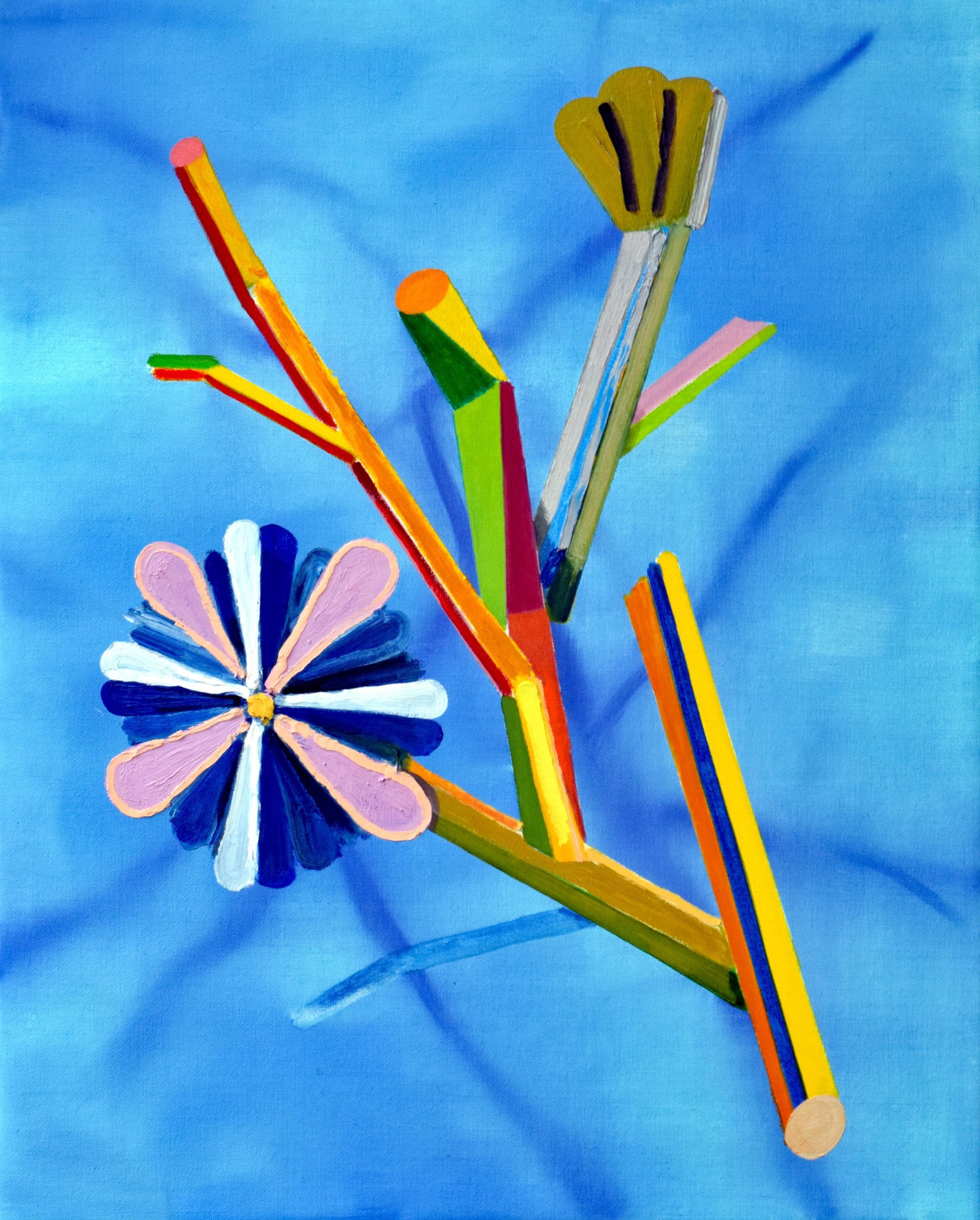
Rafael Grassi
Flirt
2021
Oil on canvas
100 x 80 x 4 cm
Rafael Grassi – Portfolio 2026
Gareth Nyandoro
Zimbabwe, 1982
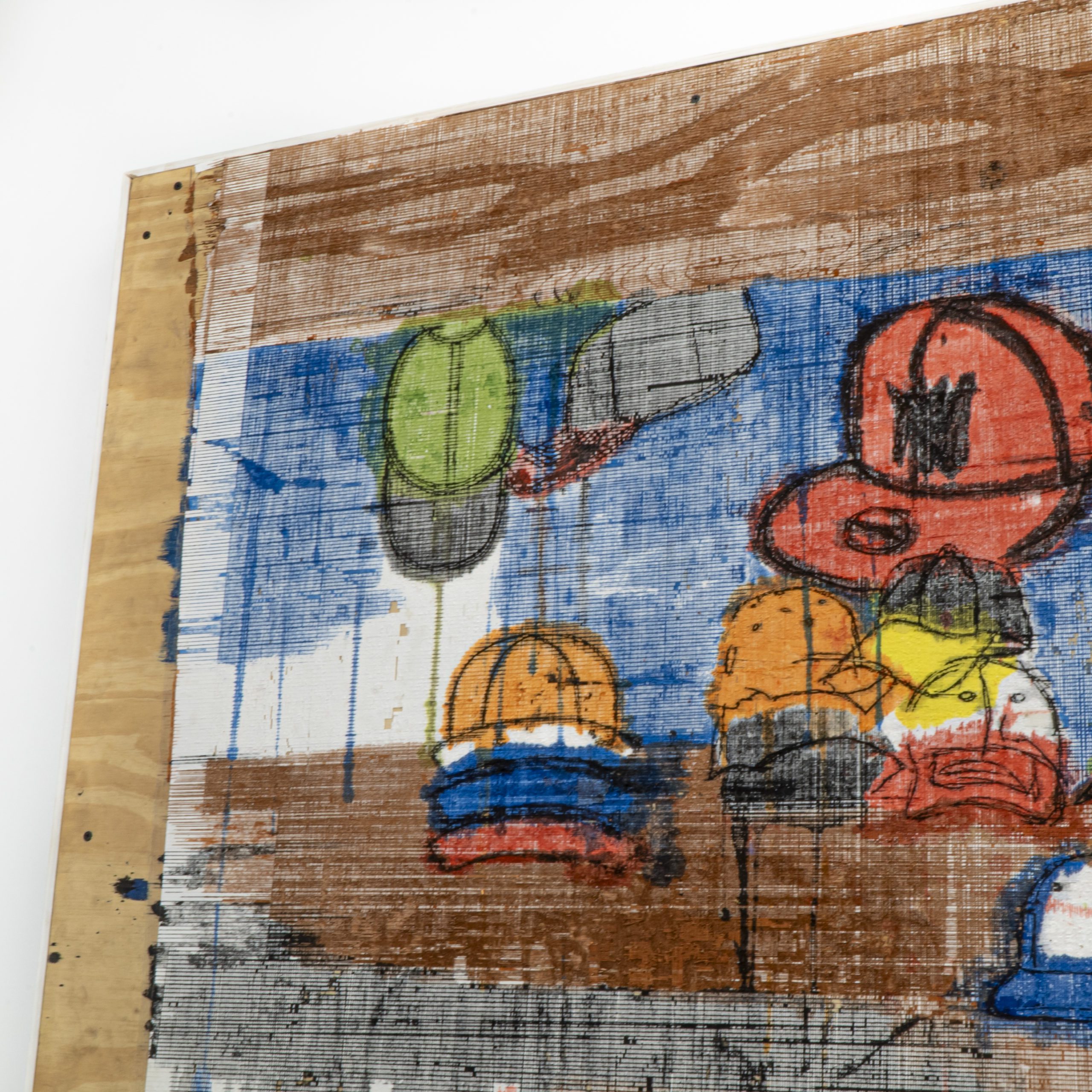
Gareth Nyandoro is noted for his large works on paper, which often spill out of their two-dimensional format and into installations that include paper scraps and objects found in the markets of Harare, where he lives and works. The artist’s chief source of inspiration is the daily landscape of the city and its residents, both within the local milieu and the larger cultural panorama of Zimbabwe. Inspired by his training as a printmaker, and derived from etching, the artist’s distinctive technique, Kucheka cheka, is named after the infinitive and present tense declinations of the Shona verb cheka, which means ‘to cut’.
He has held exhibitions at institutions such as the Palais de Tokyo, Paris; the Quetzal Art Centre, Portugal; the Rijksakademie, Amsterdam; and Zeitz MOCAA, Cape Town, among others.
His work is included in collections such as the MoMA, New York; Zeitz MOCAA; the Sindika Dokolo Foundation, Luanda; the Inhotim Institute, Brazil; the Rachofsky Collection, Dallas; SAM Art Projects, France; and the National Gallery of Zimbabwe.
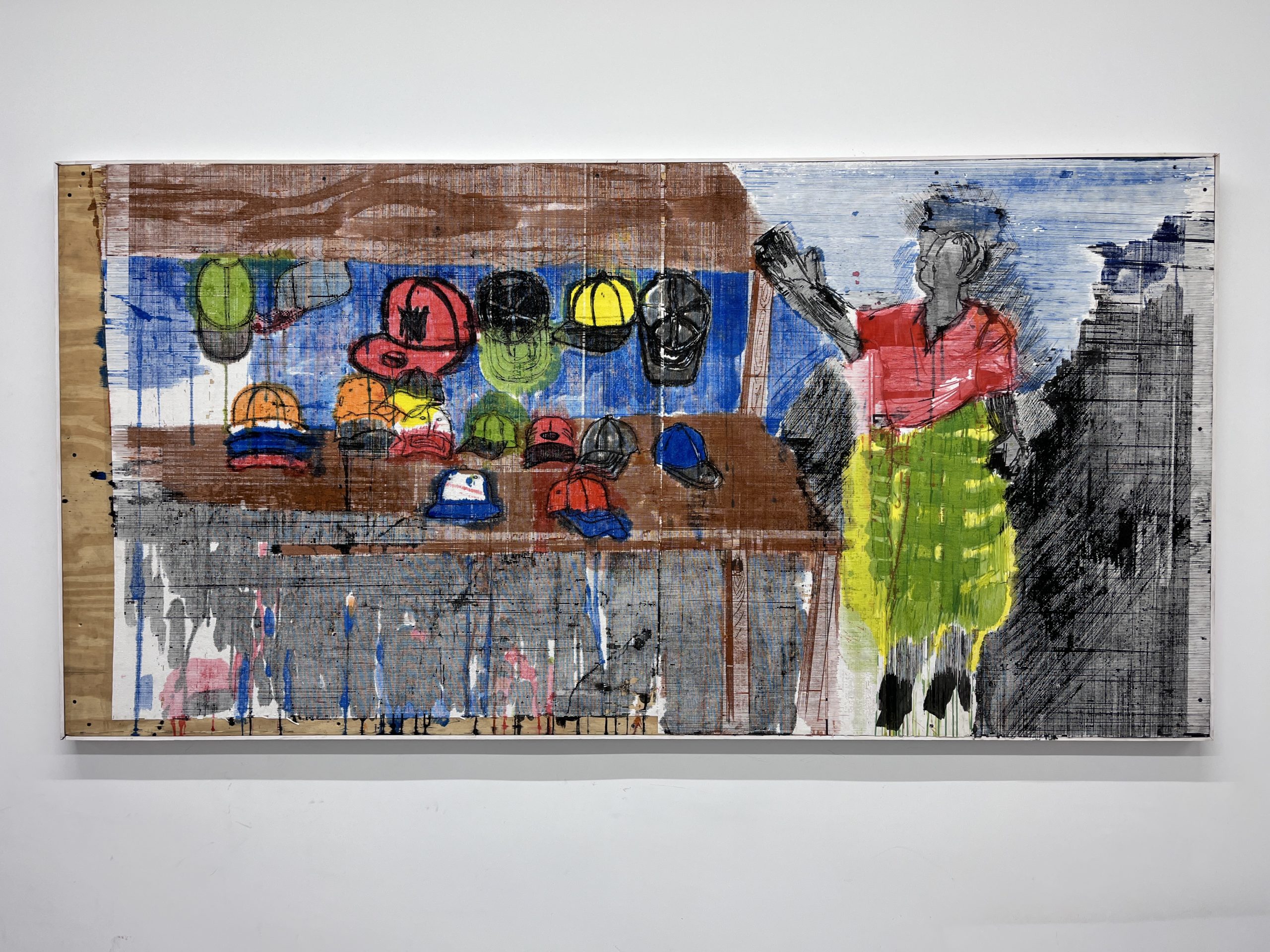
Gareth Nyandoro
Baseball cap stall
2024
Ink on paper mounted on board
124 x 247 x 5 cm
Exhibition: 2025 – Gareth Nyandoro. TOWNSHOP/TOWNSHIP. NF/NIEVES FERNANDEZ, Madrid.
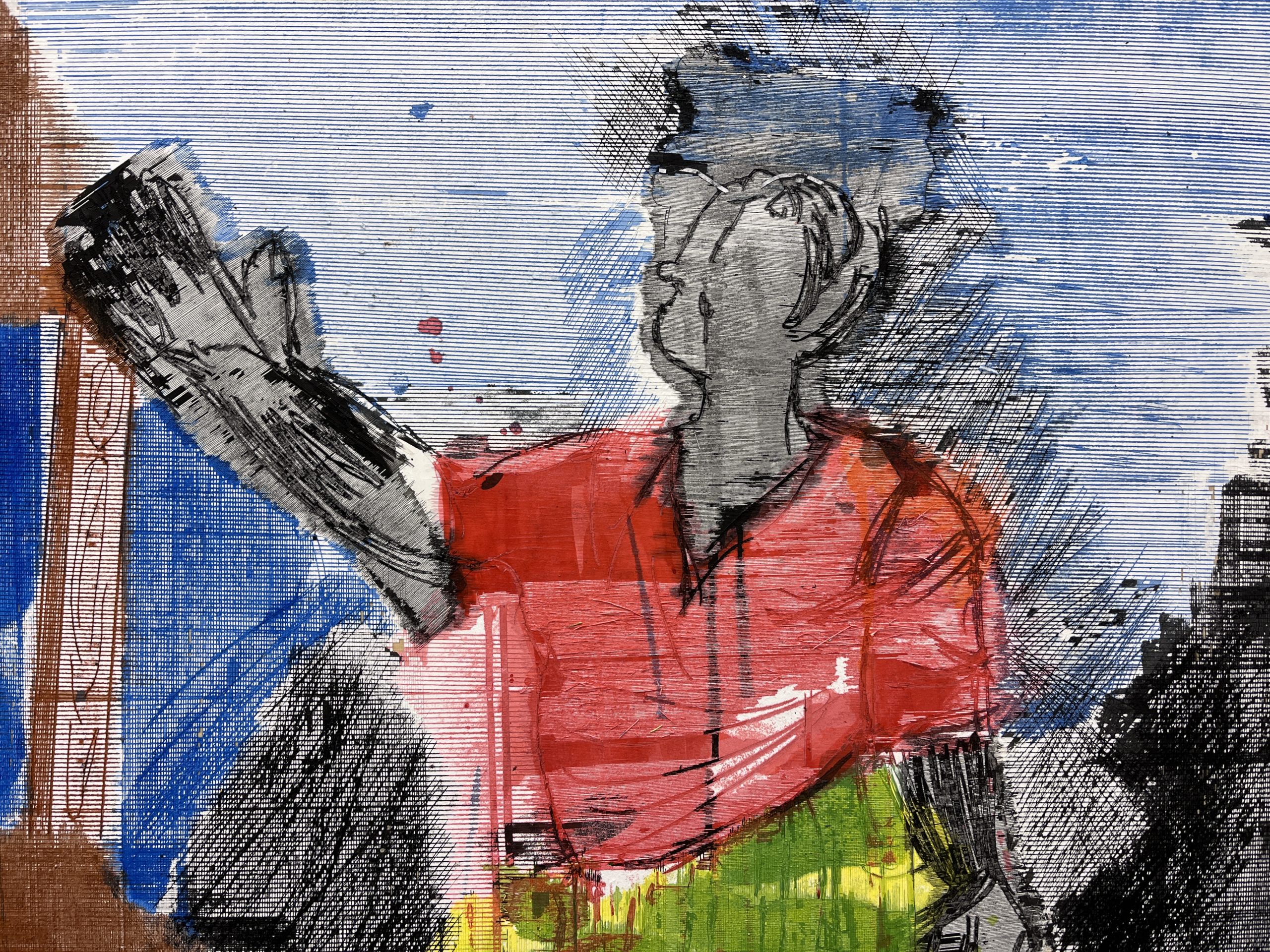
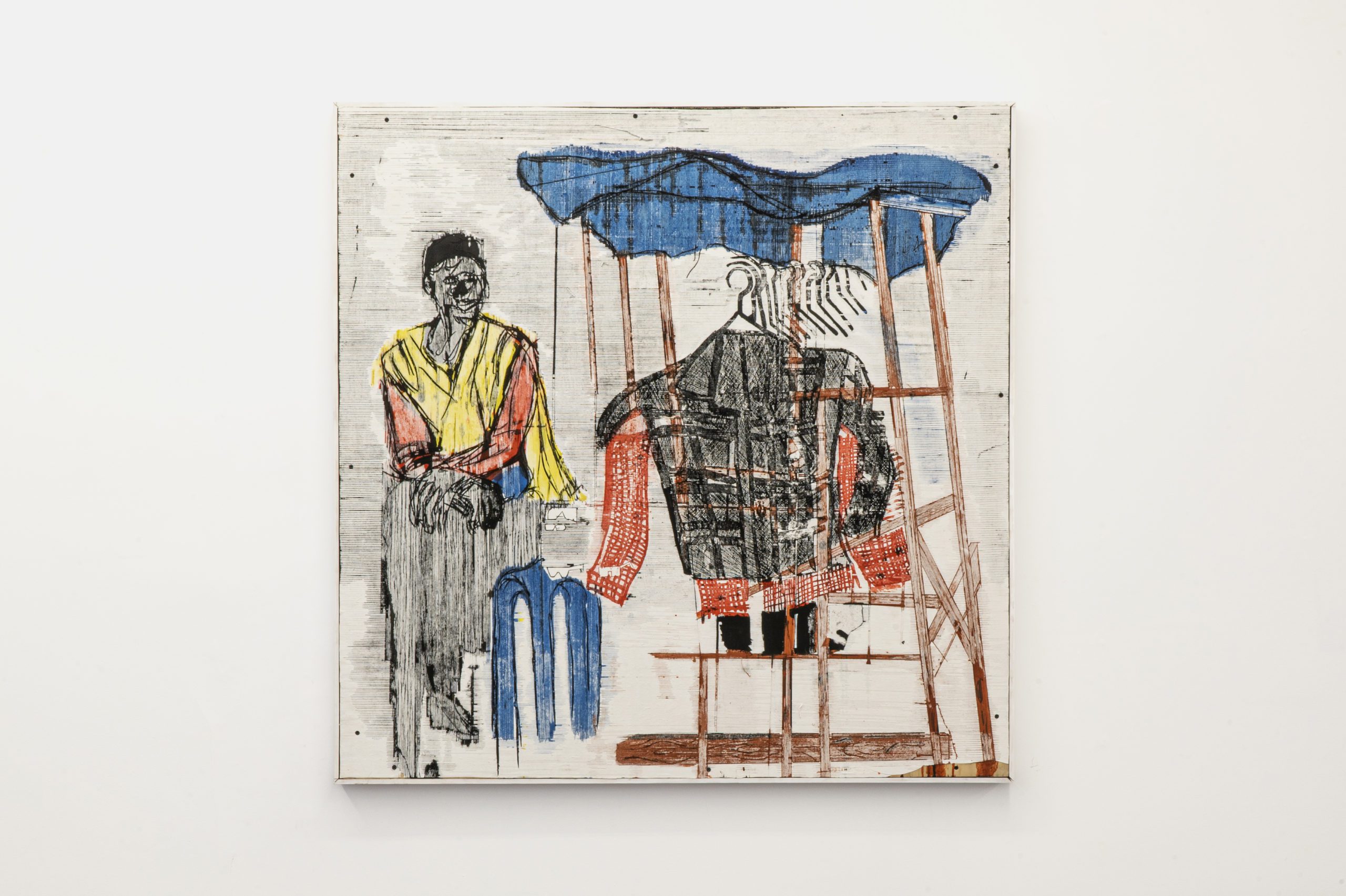
Gareth Nyandoro
Bhero vendor
2024
Ink on paper mounted on board
124 x 124 x 5 cm
Exhibition: 2025 – Gareth Nyandoro. TOWNSHOP/TOWNSHIP. NF/NIEVES FERNANDEZ, Madrid.

Gareth Nyandoro – Portfolio 2026
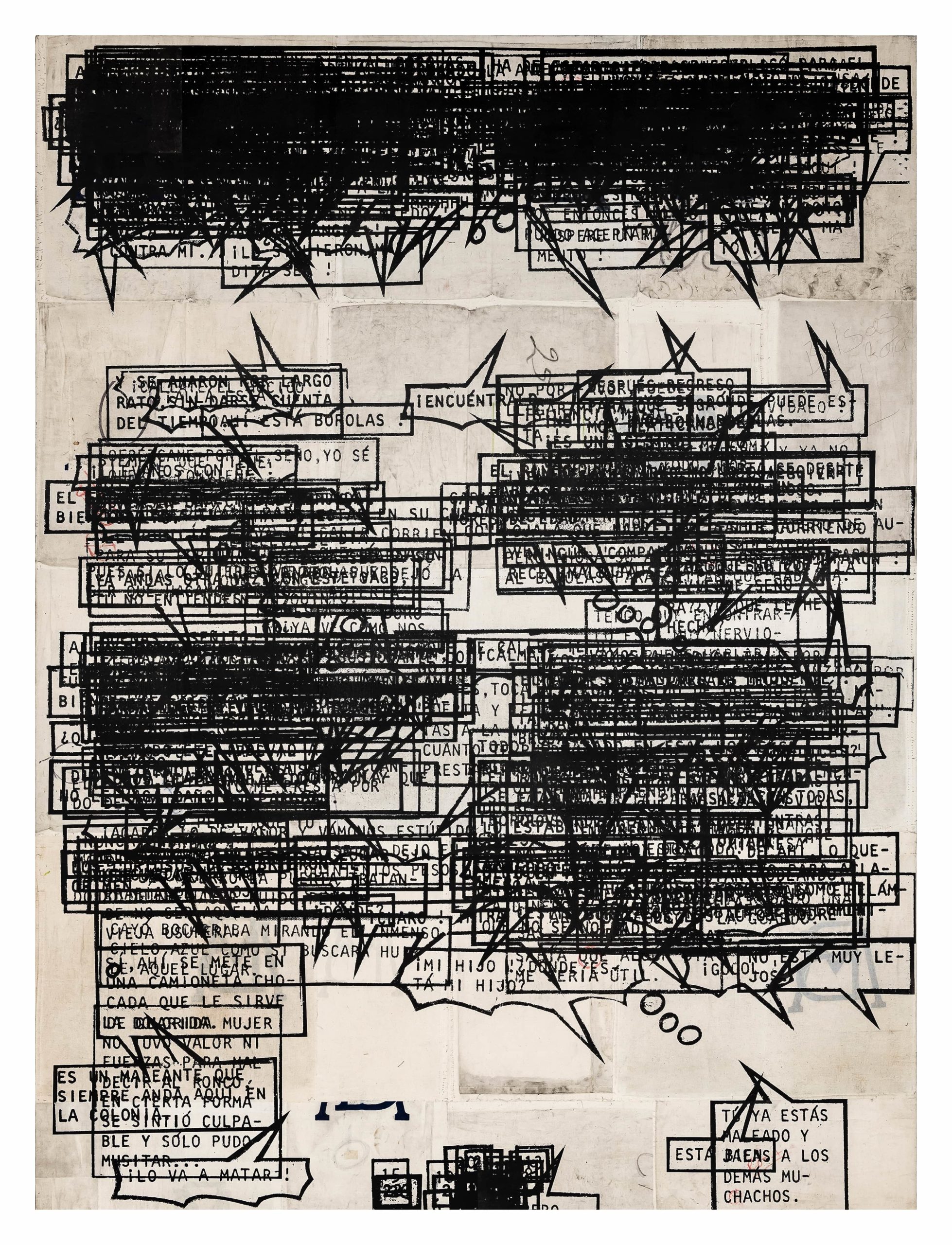
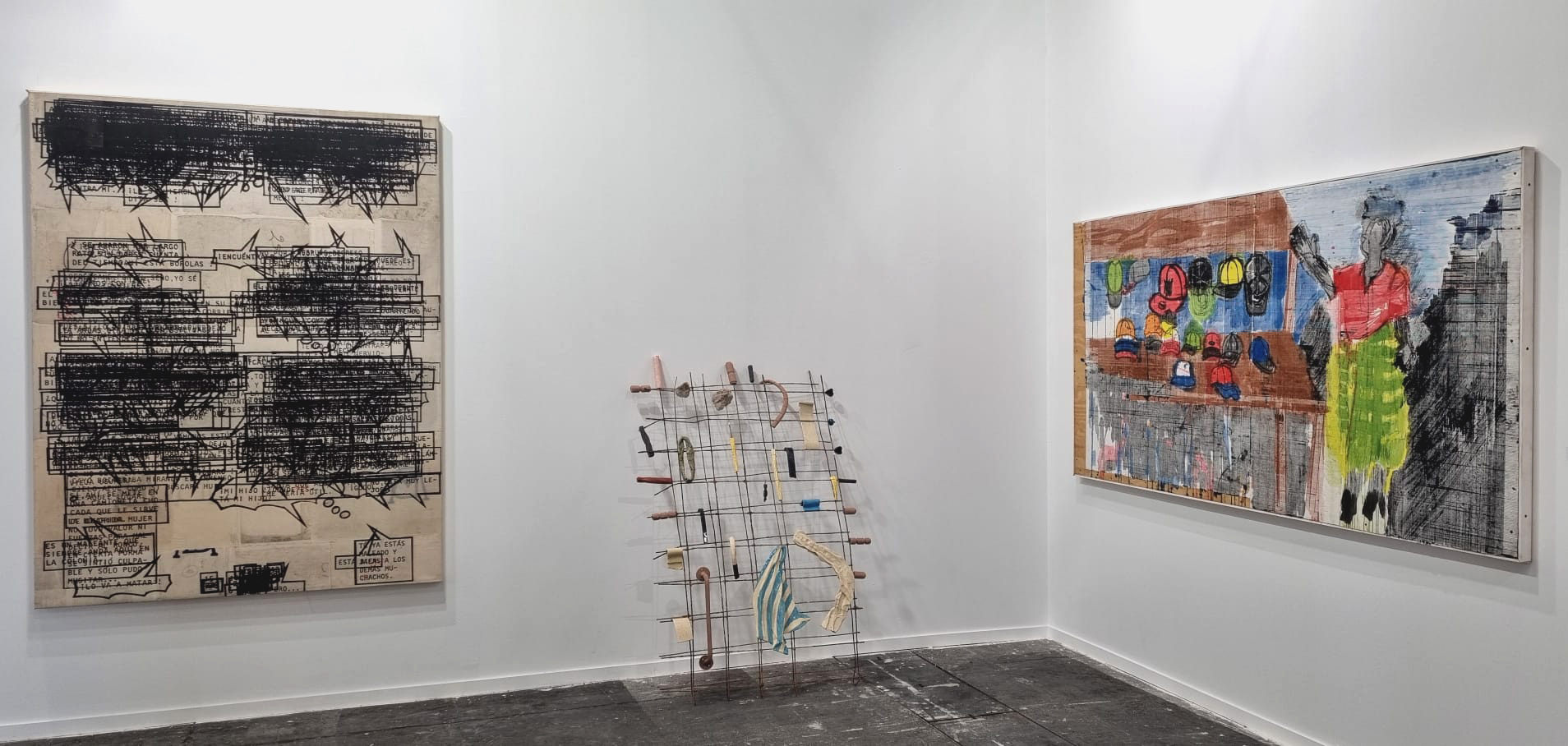
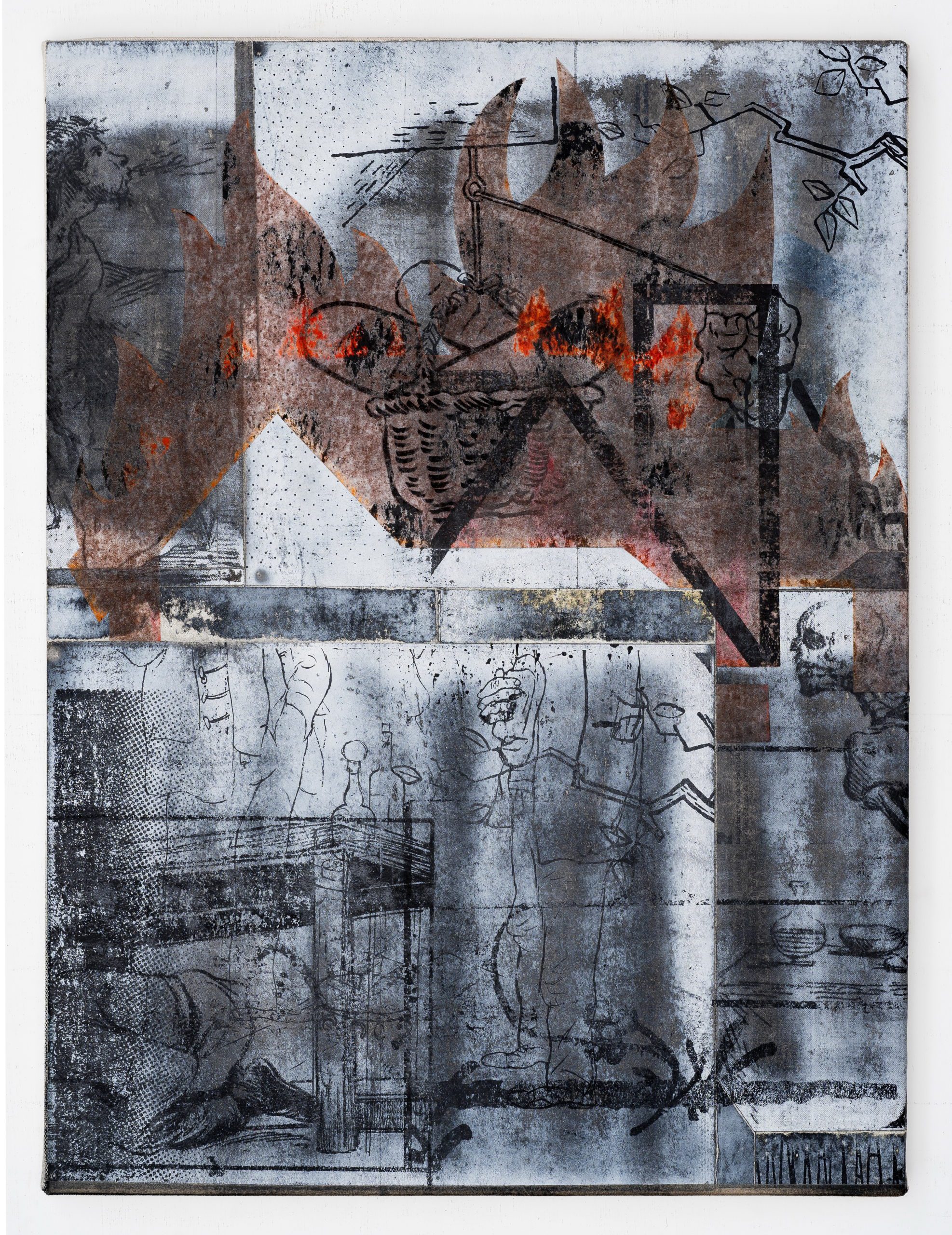
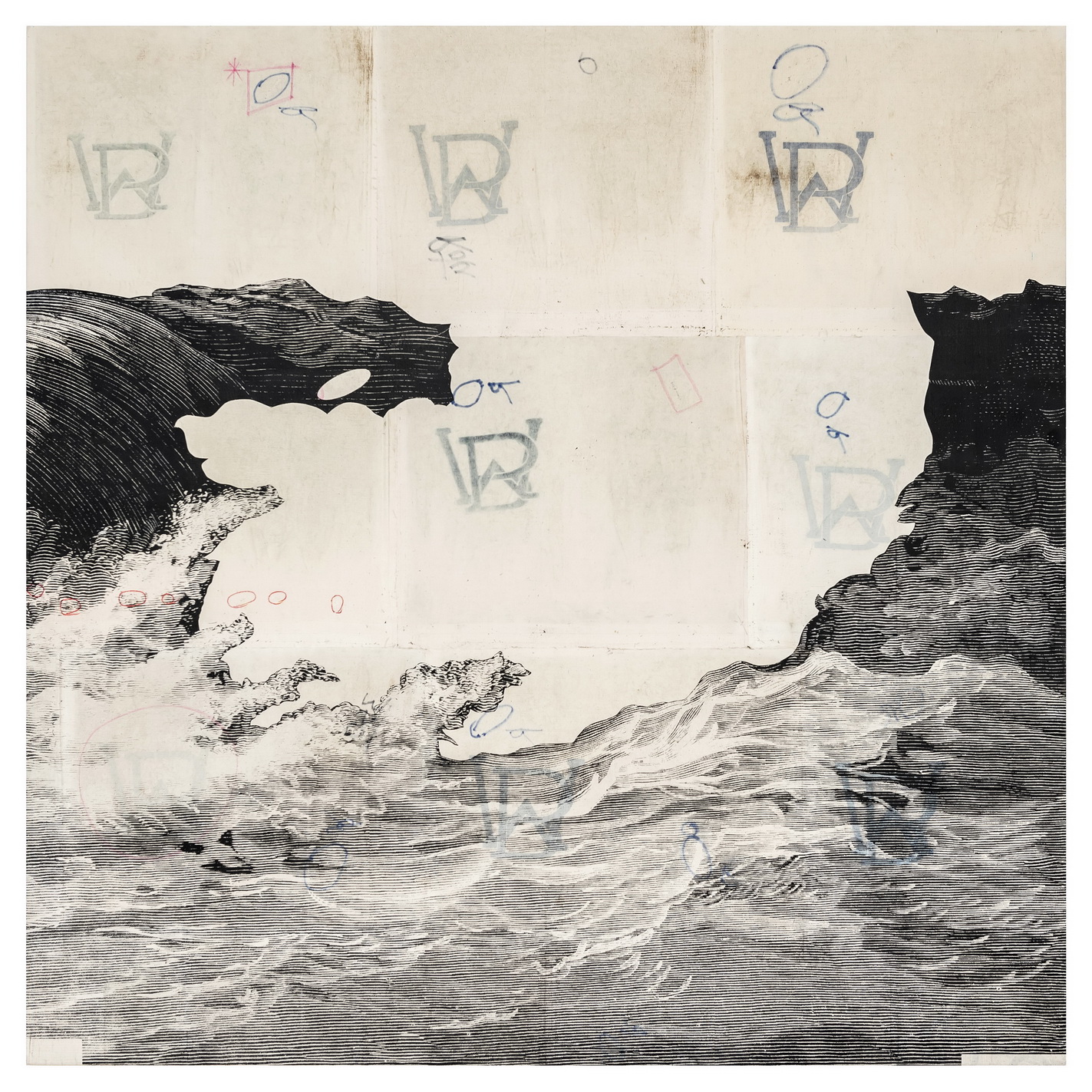
Moris
Mexico, 1978
Tamara Arroyo
Spain, 1972
Tamara Arroyo’s body of work reflects a persistent inquiry into the habitability of spaces. She questions the «domestication» of the modern inhabitant and the consumption of certain formal elements and objects within contemporary living spaces. The autobiographical references in her work serve to articulate a discourse on both individual and collective memory.
Through her recurring engagement with images of the spaces she appropriates, the city and public space emerge as privileged settings of everyday life, marked by their distinctive identities and vast creative potential.
Through various formal approaches, her works explore how our surroundings and architecture influence us, distinguishing between lived, experiential, and existential spaces—those that operate on an unconscious level.
The artist emphasizes different intellectual states that arise in our relationship with our immediate environment, such as the emotional need for a sense of belonging to a place or the importance of peripheral vision, which integrates us into space. The latter allows us to notice details and situations that might otherwise go unnoticed, shifting us from mere spectators to active recipients of new stimuli.
She has exhibited at institutions such as Museo Centro de Arte Dos de Mayo, La Casa Encendida, Matadero Madrid Centro de Creación Contemporánea, CentroCentro, Es Baluard Museu, the Royal Academy of Spain in Rome, and the Instituto Valenciano de Arte Moderno, among others.
Her work is part of the collections of Museo Nacional Centro de Arte Reina Sofía, Centro de Arte Dos de Mayo, Museo de Arte Contemporáneo de Madrid, Colección DKV, and Colección Banco Sabadell.
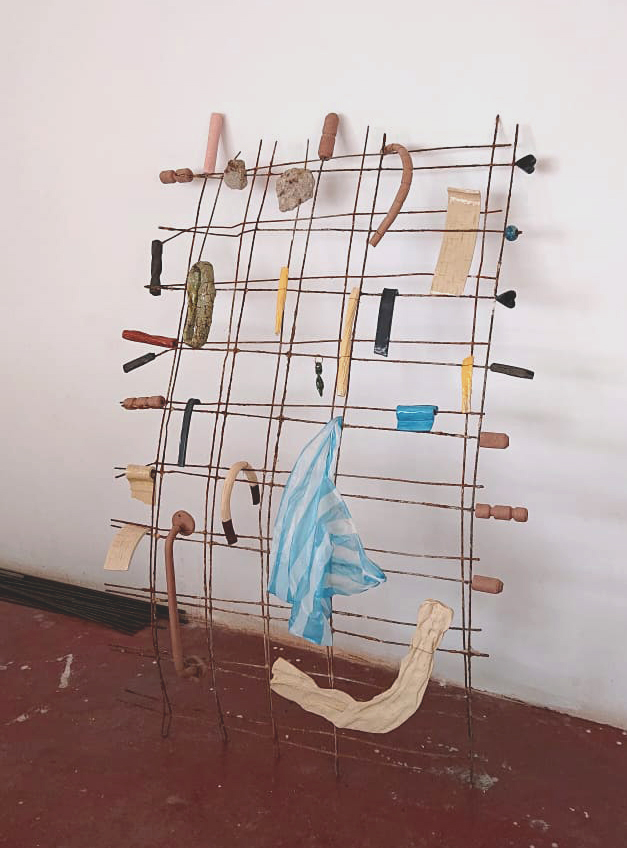
Tamara Arroyo
Untitled
2026
Iron and ceramics
143 x 108 x 42 cm
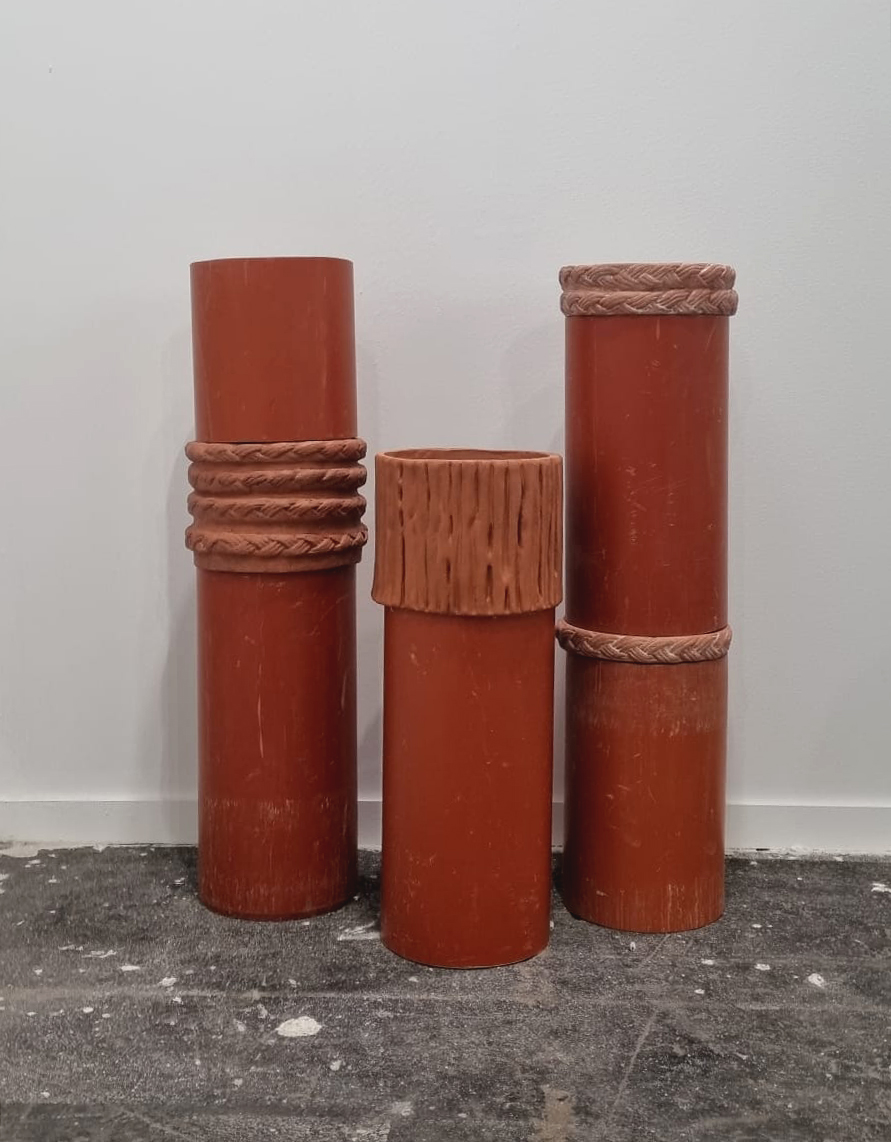
Tamara Arroyo
Ruina Contemporánea
2026
Mixed technique, PVC and ceramic
82 x 22 x 22 cm / 58 x 22 x 22 cm / 75 x 22 x 22 cm
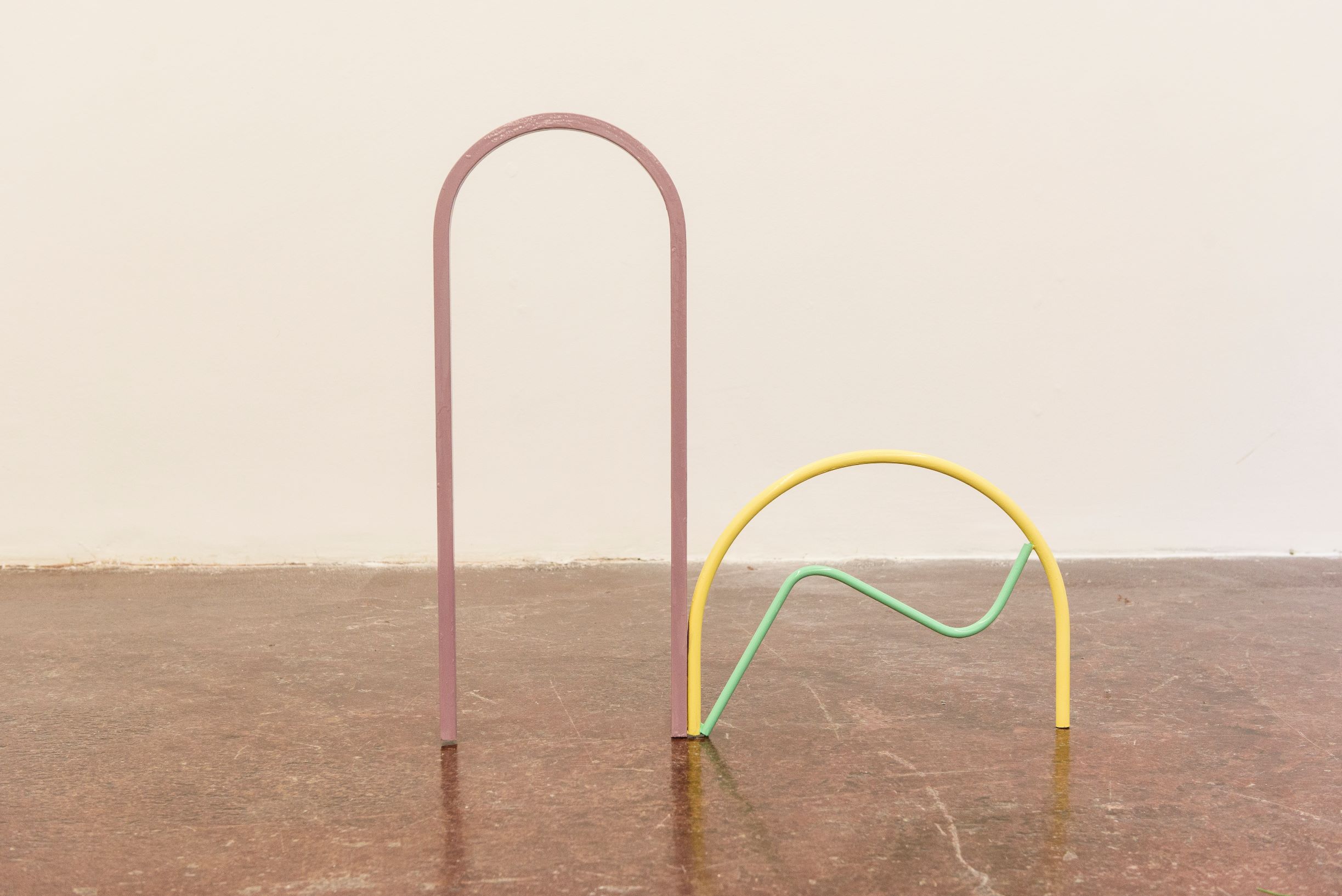
Tamara Arroyo
Ochentas
2019
Enamel on iron
65 x 65 x 12 cm
Exhibitions:
2020 – Tamara Arroyo. Pura calle. NF/NIEVES FERNANDEZ, Madrid.
2021 – PANORAMA Madrid 01. CentroCentro, Madrid.
2024 – Encuentro con el objeto. Escultura contemporánea. Red Itiner, Madrid
Tamara Arroyo – Portfolio 2026